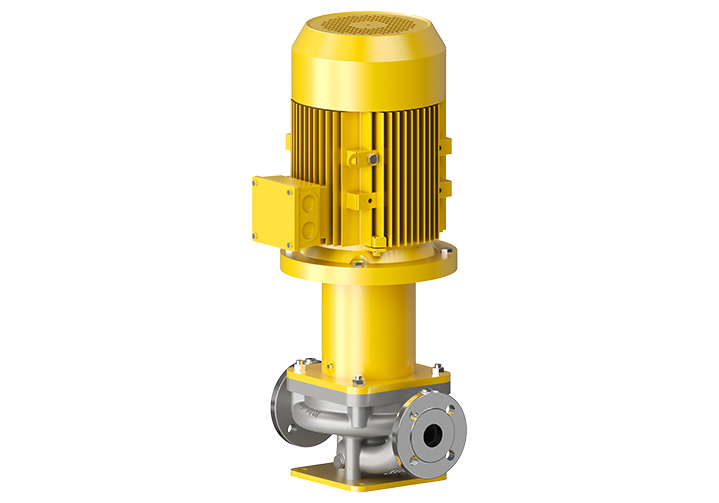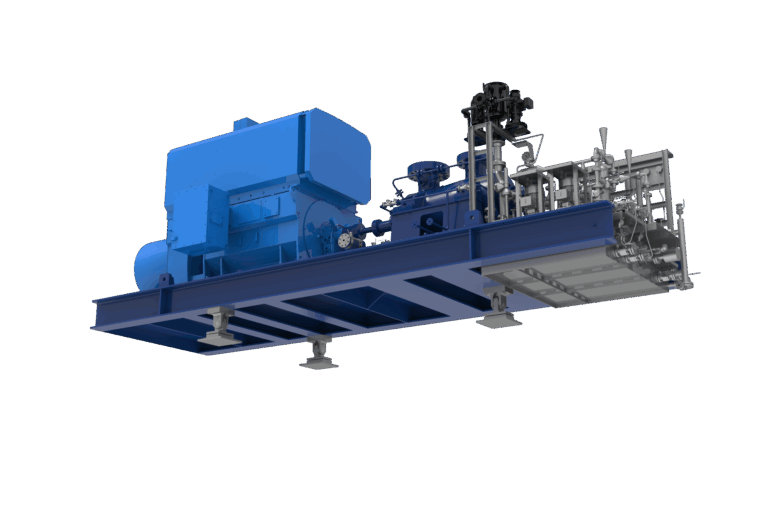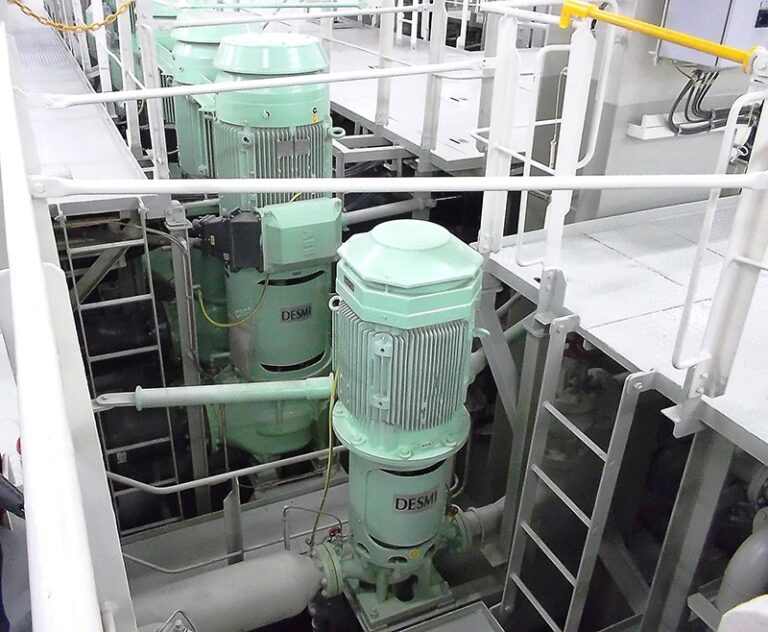
DESMI Engine Room Pumps: High-Efficiency & Reliable Marine Pump Solutions
High-efficiency & Reliable Marine Pump Solutions. Thousands of DESMI pumps are at work on the seven seas, and these pumping solutions are living proof that our customers are…





Market
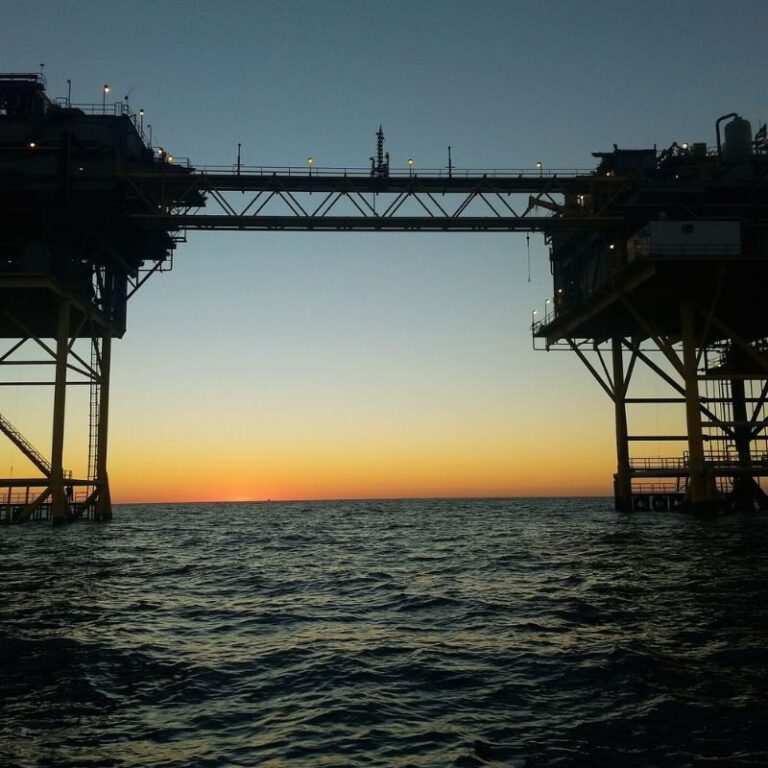
Marine and offshore operations put fluid handling equipment under conditions found nowhere else: constant motion, salt water, limited space and no maintenance workshop within reach. Ballast and bilge systems, fuel transfer, cargo pumping, cooling circuits, offshore production and subsea processing all depend on pumps, valves, flow meters and seals that keep working between dry dockings.
Latest in this market
High-efficiency & Reliable Marine Pump Solutions. Thousands of DESMI pumps are at work on the seven seas, and these pumping solutions are living proof that our customers are…
Promoted videos
What this market covers
8 topics explained in the questions at the bottom of this page. Read them
Ask the Expert
Engineers and product specialists who answer technical questions from readers. The answer comes back to you by e-mail; when we publish it, other readers benefit too.
 Erwin WeberNETZSCH Pumpen & Systeme GmbH
Erwin Weber has been working in the pump industry for over 35 years and has exceptionally broad technical and sales expertise. He… Ask a question
Erwin WeberNETZSCH Pumpen & Systeme GmbH
Erwin Weber has been working in the pump industry for over 35 years and has exceptionally broad technical and sales expertise. He… Ask a question
 Dave ZawilinskiMadisonSensor
As Engineering Director at MadisonCompany, Dave Zawilinski brings 45 years of expertise in New Product Introduction and Lean manufacturing. He specializes in… Ask a question
Dave ZawilinskiMadisonSensor
As Engineering Director at MadisonCompany, Dave Zawilinski brings 45 years of expertise in New Product Introduction and Lean manufacturing. He specializes in… Ask a question
 Natalie WaldeckerVEGA Grieshaber KG
Natalie Waldecker, Portfolio Manager Food and Pharma, knows the challenges of the demanding industries inside out. With her broad application knowledge, she… Ask a question
Natalie WaldeckerVEGA Grieshaber KG
Natalie Waldecker, Portfolio Manager Food and Pharma, knows the challenges of the demanding industries inside out. With her broad application knowledge, she… Ask a question
 Eldad OhayonHabonim
Eldad Ohayon is an experienced product management and business development professional with over 15 years of experience in industrial valves and fluid… Ask a question
Eldad OhayonHabonim
Eldad Ohayon is an experienced product management and business development professional with over 15 years of experience in industrial valves and fluid… Ask a question
Market & Technology Focus
Every Thursday edition takes one market or technology in depth. These are the editions on this market — read them online or get the next one by e-mail.
Join 43,000+ engineers, plant managers and technical buyers. Free, twice a week.
Join 43,000+ readers that receive our “web exclusive” articles, white papers, new products, and other information.
"*" indicates required fields
What this market covers
The marine and offshore industry covers commercial shipping, shipbuilding and repair, offshore oil and gas production, offshore wind, dredging and the ports that serve them. What these have in common is equipment that must run continuously on a moving platform, in salt-laden air, with a crew rather than a maintenance department.
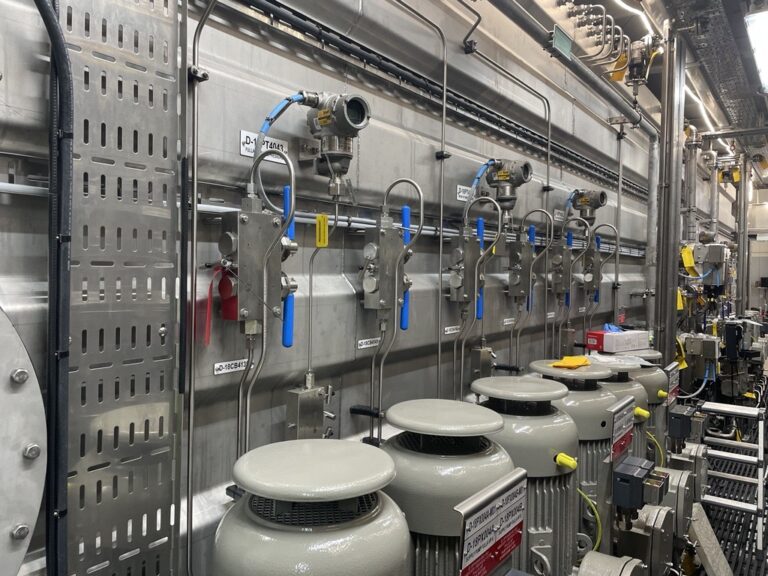
Fluid handling sits at the centre of it. A single vessel contains ballast and bilge systems, fuel and lubricating oil transfer, fresh water generation, cooling circuits, firefighting mains and, on tankers, cargo pumping at high rate. Offshore installations add produced water handling, chemical injection, hydraulic power units and subsea processing.
Two forces shape equipment choice today:
Equipment for marine service is selected for corrosion resistance, compactness and tolerance of motion. Bronze, duplex and super duplex stainless steels, and composite bearings that run on seawater instead of oil, are standard rather than exotic. Pumps must prime reliably, tolerate a rolling deck and sit within a machinery space that was drawn to the centimetre.
Typical equipment includes centrifugal and screw pumps for cargo, fuel and ballast, deepwell pumps in tanks, magnetic drive pumps where leakage cannot be tolerated, plate heat exchangers for central cooling, and separators for fuel and bilge water. Shaft seals and stern tube bearings are their own discipline, with a clear move away from oil-lubricated designs.
Class approval and type testing govern much of the specification, and equipment without the right certificate simply cannot be fitted.
A ship makes and treats its own water. Fresh water generators, whether evaporators or reverse osmosis units, turn seawater into potable and technical water; sewage is handled by onboard treatment plants; and bilge water must be separated to below fifteen parts per million of oil before it can be discharged.
Ballast water treatment has become a discipline of its own since the IMO convention entered into force, combining filtration with ultraviolet or electrochlorination to prevent the transfer of invasive species between ports. Retrofitting these systems into existing engine rooms is one of the largest recurring projects in the industry.
Offshore, produced water treatment adds hydrocyclones, flotation and filtration before water is reinjected or discharged, under discharge limits that keep tightening.
Fluid Handling Pro follows the fluid handling side of shipping and offshore: cargo, ballast and fuel pumps, valves and actuators for marine service, flow and level instrumentation in tanks and machinery spaces, heat exchangers and separators, shaft seals and bearings, and the systems that make alternative fuels workable on board.
You will find product launches, newbuild and retrofit projects, case studies and expert opinion from the manufacturers supplying this market. Browse the latest marine and offshore articles on this page, or subscribe to the e-newsletter to receive a selection by email.
Valve control on board is dominated by remote operation. Ballast and cargo valves are spread across the length of a hull and are operated hydraulically, pneumatically or electrically from the control room, with position feedback that has to survive a wet, vibrating environment.
Butterfly and ball valves in bronze, duplex and coated cast iron handle seawater duty; the move to LNG, methanol and ammonia as fuels brings cryogenic and toxic-media requirements into spaces that previously only saw diesel. Double block and bleed arrangements, gas-tight bunkering connections and emergency release couplings are becoming routine.
Offshore, chemical injection at precise and very low rates, hydraulic power units and subsea control modules add a further layer of control equipment.
Tank level measurement on a vessel serves three purposes at once: knowing the cargo, keeping the ship stable and staying within draught limits. Radar and hydrostatic sensors are the common choices, feeding a tank gauging system that also calculates trim, heel and stress.
The environment is unforgiving. Sensors sit in tanks that are washed with seawater, coated in cargo residue and subject to constant motion, so robustness and simple verification matter more than the last tenth of a percent of accuracy. Overfill protection on bunkering and cargo lines is a safety function with its own certification.
Offshore, level instrumentation extends to separators, storage caissons and chemical tanks on platforms and FPSOs.
Fuel is the largest operating cost of a ship, so bunker delivery and daily consumption measurement have moved from a paper exercise to instrumented practice. Coriolis meters have become the reference for bunkering because they measure mass and density directly, which settles most disputes about what was actually delivered.
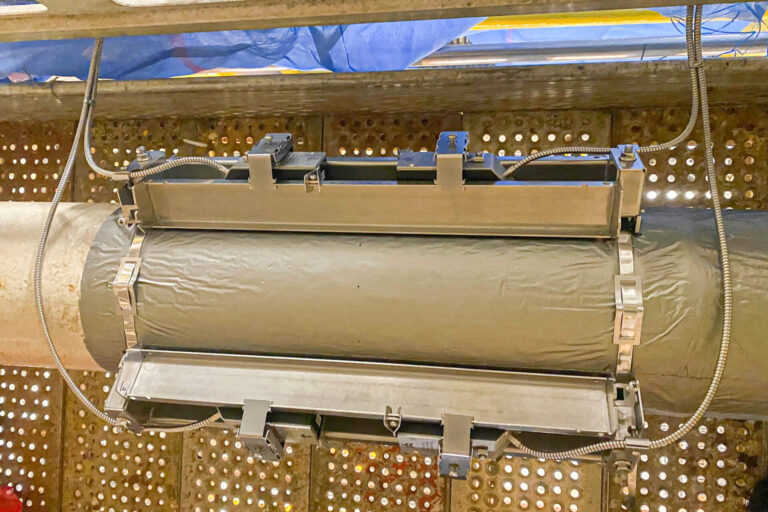
On board, flow measurement covers fuel supply and return lines, lubricating oil, cooling seawater, ballast rates and cargo discharge. Electromagnetic and ultrasonic meters handle the water side; oval gear and Coriolis meters cover oils and viscous cargo.
Emissions reporting under EU MRV and IMO DCS depends on this data, which has raised the bar for accuracy and traceability across the fleet.
Central cooling systems keep main engines, auxiliary machinery and cargo within their operating windows, using seawater as the ultimate heat sink through plate or shell and tube exchangers. Fouling and corrosion on the seawater side are permanent adversaries, which drives material choice and cleaning strategy.
Cargo heating is its own discipline: heavy fuel oil, bitumen, vegetable oils and chemicals must be kept pumpable without overheating, using coils, external exchangers or electric tracing. On gas carriers, cargo is held cryogenic and boil-off is reliquefied or burned.
Waste heat recovery from exhaust and jacket water improves efficiency and is increasingly part of the emissions calculation rather than an optional extra.
Use the Manufacturers Directory A-Z, or open a supplier profile from the field experts listed on this page. Partner profiles carry direct contact details; other listings link to the company website.
Yes. Ask the Expert puts your question to a field expert active in Marine & Offshore. The answer comes back to you by e-mail; when we publish it, other readers benefit too.