Bearing Seal Evolution: How the Bearing Isolator Became the Gamechanger for the Pump and Motor Industry
For the pumps and motors used in industrial rotating equipment, there is one incontrovertible truth: bearing failure equals equipment failure.



Market
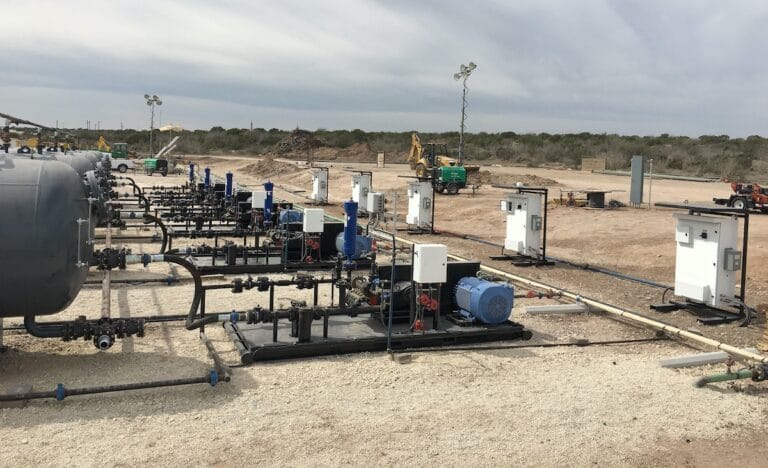
From wellhead to refinery, oil processing moves crude, condensate, produced water and refined products under high pressure, high temperature and strict safety rules. Pumps, control valves, custody transfer meters, separators and analysers handle separation, dehydration, desalting and blending, while operators balance throughput and uptime against emissions, flaring and the cost of unplanned shutdowns.
Latest in this market
For the pumps and motors used in industrial rotating equipment, there is one incontrovertible truth: bearing failure equals equipment failure.
Promoted videos
Ask the Expert
Engineers and product specialists who answer technical questions from readers. The answer comes back to you by e-mail; when we publish it, other readers benefit too.
 Jens Enggaard Thuesen
DESMI A/S
Jens Enggaard Thuesen
DESMI A/S
Jens Enggaard Thuesen, Product Manager at DESMI, has more than 35 years of experience with hydraulic- and transmissions systems. Over the past…
Ask a question Dominik Hegen
HERMETIC-Pumpen GmbH
Dominik Hegen
HERMETIC-Pumpen GmbH
A pump is more than just rotary equipment. It is the promise to solve a pumping task safely and reliably. In his…
Ask a question Casey Williamson
GF
Casey Williamson
GF
Casey Williamson is Head of Business Development Microelectronics Global Industries for Georg Fischer. For the last 25 years, he has provided support…
Ask a question Kyle Daniels
Clarke Valve
Kyle Daniels
Clarke Valve
Kyle Daniels, CEO, is an Aerospace Engineer and the inventor, Chief Engineer, and Head of Product Design of the Dilating Disk Valve™,…
Ask a questionJoin 36,000+ engineers, plant managers and technical buyers who follow powder and bulk solids technology with us. Free, twice a week.
Questions and answers
Typical oil well production fluids are a mixture of oil, gas, and produced water. The oil processing plant (also known as an oil production plant) is a plant that processes production fluids from oil wells to separate saleable products and dispose of the rest in an environmentally friendly manner.
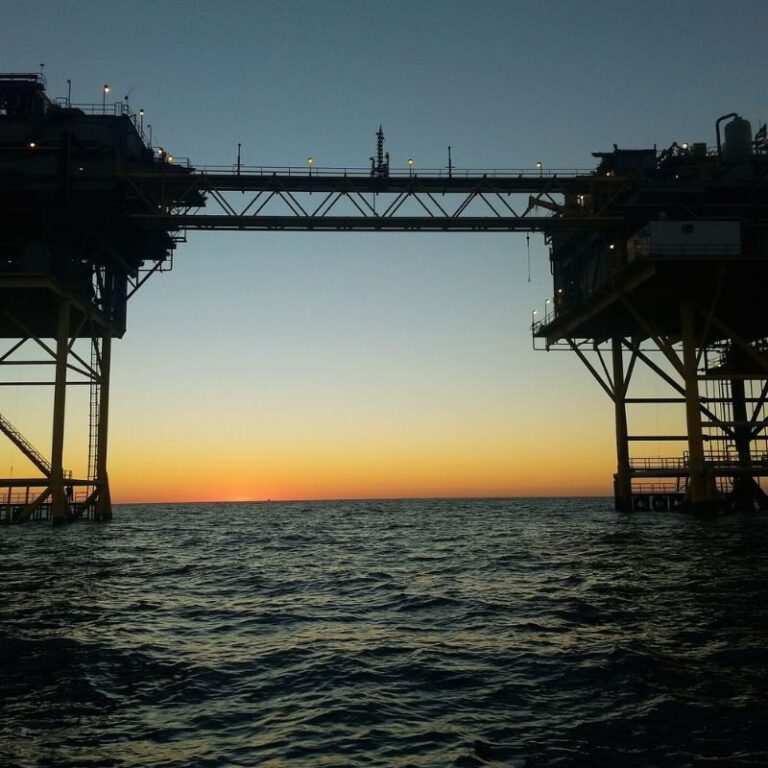
The processing of oil commonly occurs offshore on platforms (many permanent offshore installations have full oil production facilities) to reduce the volatility of the product and remove all contaminants, i.e., water and sand. These can prove problematic during transport, whether by ship or subsea pipeline.
Crude oil needs to be processed before it can be used. Three main types of the crude oil refining process steps to refine the oil into finished products:
1. Separation
In the first step, molecules are separated through atmospheric distillation (i.e., at normal atmospheric pressure, also known as a topping) according to their molecular weight. The oil is treated with heat to high temperatures of 400 degrees Celsius.
Oil residuals will remain at the bottom as they are heavy molecules and will not vaporize. During the first separation stage, light molecules rise to the top while it is vaporized. The temperature at the top is only 150 degrees. When the oil conversion happens, you will find a lot of hydrogen and carbon present. Crude oil consists of hydrocarbons, as do petroleum products and natural gas.
2. Conversion
In the conversion process, heavier molecules can be converted, or "cracked," into the lighter products for which there is higher demand. Modern techniques also facilitate the joining of smaller hydrocarbons into larger ones, called unification, and the rearrangement of molecules through a process called alkylation.
During this process, the heat is increased even higher at 500 degrees, and now a catalyst is added for the chemical reaction to speed up significantly.
It should be noted that each step, including conversion, is costly, and if the complexity increases, it will increase energy use and costs as well.
3. Treating
During oil refining treatment stage three, treating it is done to remove any unwanted contaminants from the end product. It is an essential step as too little refining could cause increased pollution.
During this process, you will determine the improved air quality after emissions with less sulfur coming from refined petroleum products, sour natural gas, and smoke. Standards across the world are stringent in regards to refined oil use.
Oil is processed in a petroleum refinery (or oil refinery). In this industrial process plant, the crude oil is refined into valuable products, such as gasoline, kerosene, diesel oil, jet fuel, liquefied petroleum gas (LPG), heating oils, and feedstock for the chemical industry.

Petroleum refineries are large industrial complexes involving many different processing units and auxiliary facilities such as utility units and storage tanks. Each refinery has its unique arrangement and refining processes primarily determined by the refinery location, desired products, and economic considerations. There are no two refineries that are identical in every respect.
The oil production process is extracting the hydrocarbons and separating the mixture of liquid hydrocarbons, gas, water, and solids, removing the elements that are non-saleable, and selling the liquid hydrocarbons and gas.
Oil processing companies encompass the equipment between the oil wells and the pipeline or other transportation systems. The purpose of an oil processing plant is to make the oil ready for sale to the purchaser's standards (maximum allowable water, salt, and other impurities).

Crude oil is found in the depths of the Earth, and it is brought to the surface with sophisticated machinery and complex processes. The oil extraction process is how usable petroleum is drawn out from beneath the Earth's surface location. Once a potential accumulation of crude has been discovered, it is analyzed for commercial purposes, whether the collection can be produced profitably or not.

If the accumulation passes the commerciality tests, a hole is drilled into the Earth up to the accumulation's depth. This involves using a drilling rig, drill bits, and various chemicals used to control the drilling process.
The rig assembles components, and the most critical element is the drill string. This component combines various smaller devices and has a drill bit at the end, which is the tool used to dig into the Earth.
During the drilling process, a chemical mixture called drilling fluid or mud is circulated through the drill string into the hole.
Once studies verify the presence of oil and/or gas, the hole is cemented and prepared for production. Steel casings are lowered into the hole and cemented in place to prevent damage to the surrounding and ensure smooth oil flow to the surface.
The bottom hole is perforated or punctured once casings and surface facilities are installed. Due to a pressure difference between the formation and bottom hole, the oil will flow from the rocks and travel to the surface. When the oil stops flowing of its own accord, specific techniques are applied to extract oil from the ground. These techniques are called Improved Oil Recovery (IOR) and Enhanced Oil Recovery (EOR) techniques. When no more oil can be produced from the well, the hole is closed with cement and abandoned.
This is the general method of crude oil extraction. Many factors influence crude oil extraction, but all wells follow the same process stated earlier.
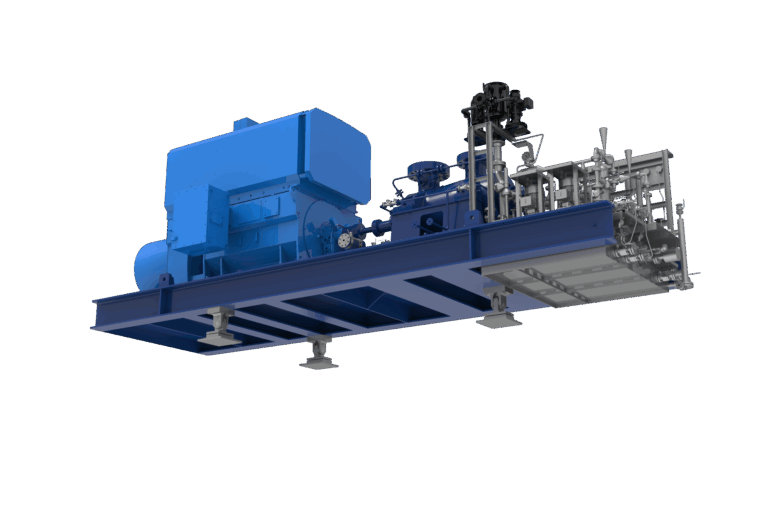
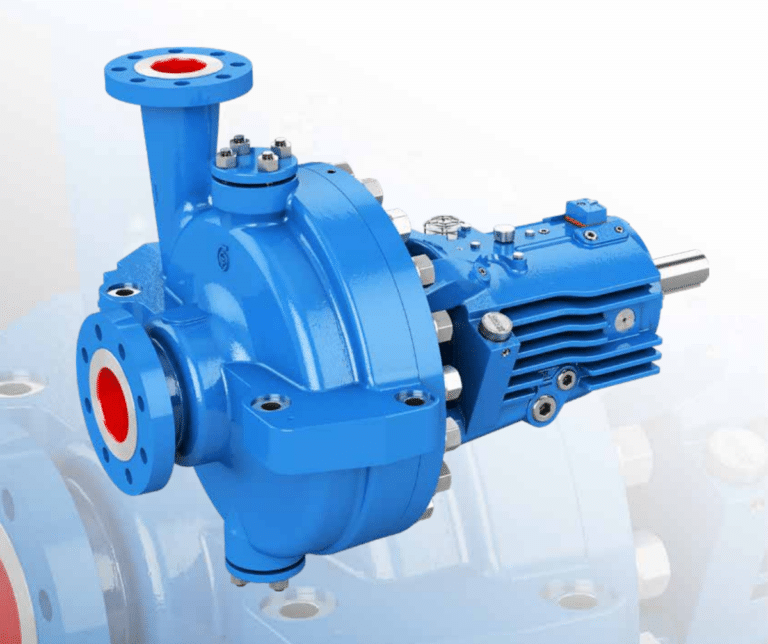
API 610 centrifugal pumps move crude and refined product, multiphase pumps handle untreated well streams, and screw and gear pumps deal with heavy, viscous grades. API compliance, sealing systems and vibration monitoring matter because an unplanned pump failure stops a whole train. More in Pumps and Pumping Systems.
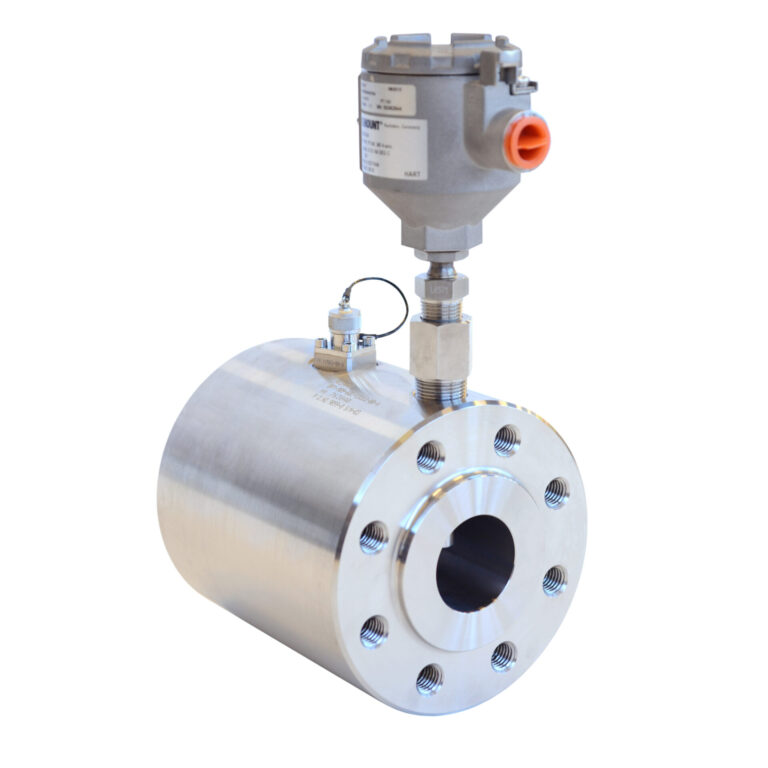
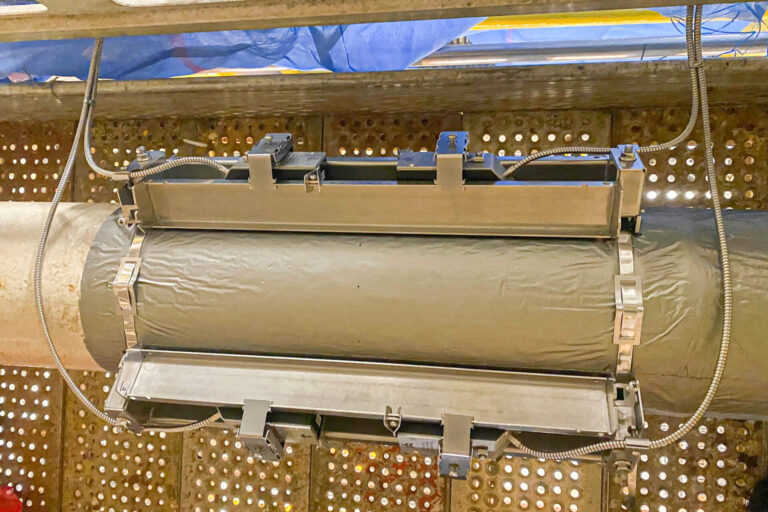
Custody transfer measurement with Coriolis, ultrasonic and turbine meters decides how much money changes hands, so it is proved and certified. Inside the plant, the same technologies balance separators, control blending and allocate production between wells. More in Flow Control and Measurement.
Guided wave radar, displacers and nucleonic gauges follow the oil, water and emulsion layers inside a separator, and radar and servo gauges measure storage tanks for inventory. Getting the interface level right decides how much water leaves with the oil. More in Level Control and Measurement.
Choke valves control well flow at extreme pressure drops, severe service control valves handle flashing and cavitation, and emergency shutdown valves carry the safety case. Erosion from sand and the required safety integrity level drive the specification. More in Process and Control Valves.
Hydrocyclones, coalescers, flotation units and filters bring produced water down to the oil in water limit before discharge or reinjection. Volumes rise as fields mature, so water handling often becomes the bottleneck rather than the oil itself. More in Fluid Filtration Systems.
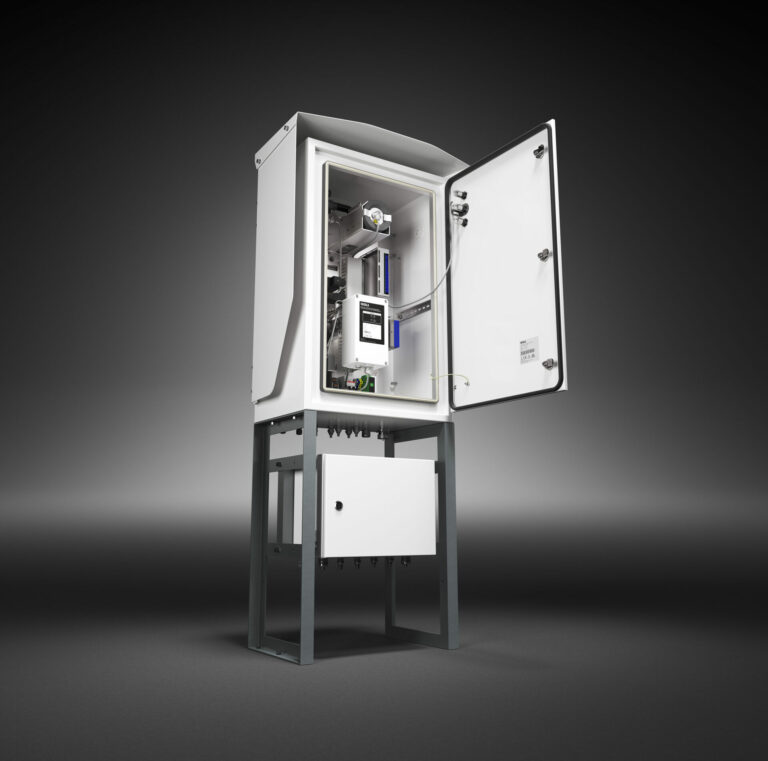
Process gas chromatographs, density, sulphur and water in oil analysers keep blending on specification and protect downstream units. Measuring in the line instead of in the laboratory is what makes real time blend optimisation possible. More in Process Gas and Liquid Analytical Systems.
Use the Manufacturers Directory A–Z or the Equipment Guide. Partner profiles carry direct contact details; other listings link to the company website.
Yes. Ask the Expert puts your question to a field expert active in Oil Processing. The answer comes back to you by e-mail; when we publish it, other readers benefit too.