



Market

Biopharmaceutical Processing

Biopharmaceutical production grows medicine from living cells, so every litre that moves through the plant has to stay sterile. Single-use assemblies, diaphragm valves, peristaltic and lobe pumps, mass flow meters and filtration skids handle buffers, media, harvest streams and purified product, under validation, traceability and cleanability rules that decide which equipment is even allowed on site.

Latest in this market

Biopharmaceutical Processing news and case studies

All articles in this market
Independent editorial selection — no sales pitches. Sponsored items are marked as such. Submit your news

Promoted videos

Biopharmaceutical Processing in action

All videos

What this market covers

Key questions about Biopharmaceutical Processing

11 topics explained in the questions at the bottom of this page. Read them

Ask the Expert

Ask a biopharmaceutical processing expert — free

Engineers and product specialists who answer technical questions from readers. The answer comes back to you by e-mail; when we publish it, other readers benefit too.

View all experts

Market & Technology Focus

Biopharmaceutical Processing, in depth in your inbox

Every Thursday edition takes one market or technology in depth. These are the editions on this market — read them online or get the next one by e-mail.

Subscribe to our E-newsletters

Join 43,000+ engineers, plant managers and technical buyers. Free, twice a week.

What this market covers

Frequently asked about biopharmaceutical processing

Fluid handling as a critical part of the biopharma manufacturing process

Fluid handling is a critical part of the biopharma manufacturing process, and the use of innovative fluid handling solutions can help to improve efficiency, productivity, and safety. Some of the key benefits of using fluid handling solutions in biopharma include:

  • Reduced risk of contamination: By using closed-system fluid handling solutions, the risk of contamination can be significantly reduced.
  • Increased efficiency: Automated fluid handling systems can help to improve efficiency by reducing the need for manual intervention.
  • Improved flexibility: Modular fluid handling systems can be easily adapted to meet the changing needs of biopharma manufacturing.
  • Enhanced traceability: Datalogging capabilities can help to improve traceability and compliance.
Biotechnology and pharmaceutical companies: What's the difference?

Many industrial processing professionals may be confused about the difference between biotechnology and pharmaceutical companies. While the two industries have some similarities, there are also some key differences.

Biotechnology companies use living organisms or their components to develop products and services. This can include things like drugs, vaccines, and industrial enzymes. Pharmaceutical companies, on the other hand, use chemicals to develop their products. This can include things like small molecules and biologics.

Biopharma companies are a hybrid of the two industries. They use both biotechnology and pharmaceutical approaches to develop their products. This is becoming increasingly common as the two industries continue to converge.

Fluid handling technology in the biotechnology market

Fluid handling technology is used to automate the transfer, measurement, and dispensing of liquids in the biotechnology market. This technology is essential for a variety of applications, including cell culture, drug discovery, and diagnostics.

Automated liquid handling systems can improve the accuracy, efficiency, and reproducibility of these processes. They can also reduce the risk of contamination and improve the safety of laboratory workers.

Examples of fluid handling technology used in the biotechnology market include:

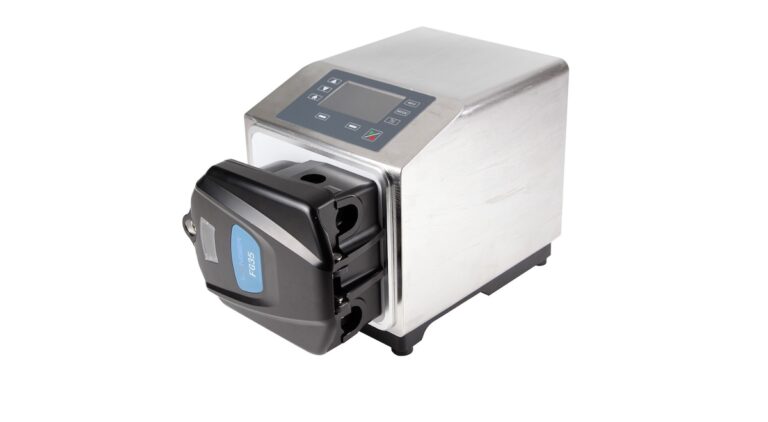
  • Peristaltic pumps: Peristaltic pumps are aseptic and can be used to transfer a variety of fluids, including hazardous and corrosive materials.
  • Single-use fluid handling systems: Single-use fluid handling systems are disposable, which can help to reduce the risk of contamination.
  • Microfluidic devices
  • Automated fluid handling systems: Automated fluid handling systems can help to improve efficiency and productivity.
  • Datalogging systems: Datalogging systems can help to improve traceability and compliance.

These technologies are used to handle a wide range of fluids, including water, buffers, cell cultures, and reagents. They are also used to handle a variety of volumes, from small volumes (nanoliters) to large volumes (liters).

The use of fluid handling technology in the biotechnology market is essential for the development of new drugs, vaccines, and diagnostics. It is also essential for the production of these products in a safe and efficient manner.

Biotechnology innovations

Biotechnology innovations are rapidly transforming the way we live and work. From new drugs and treatments to sustainable food production, biotechnology is making a real difference in the world.
Some of the most promising biotech innovations include:

  • Gene editing: Gene editing is the process of changing DNA. This technology has the potential to cure diseases, improve crops, and create new biofuels.
  • Synthetic biology: Synthetic biology is the design and construction of new biological systems. This technology could be used to create new medicines, create new materials, and even clean up pollution.
  • Biosensors: Biosensors are devices that can detect and measure biological molecules. These devices can be used to diagnose diseases, monitor environmental pollutants, and track the effectiveness of treatments.
  • Bioprinting: Bioprinting is the process of creating three-dimensional structures using biological materials. This technology could be used to create new organs, tissues, and even food
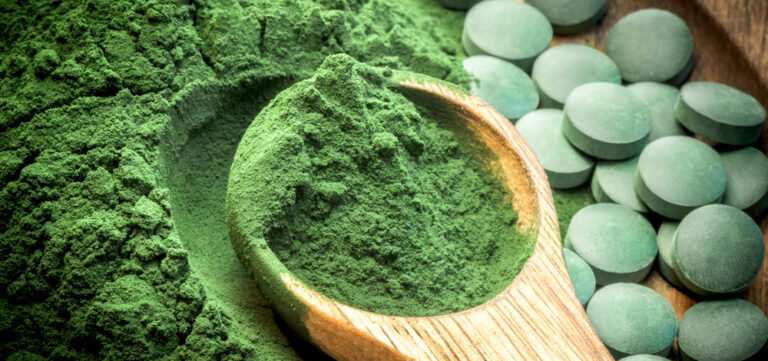
  • Microalgae: Microalgae are tiny organisms that can produce biofuels, food, and other products. This technology has the potential to create a more sustainable food and energy system.

These are just a few of the many biotech innovations that are being developed today. As the field of biotechnology continues to grow, we can expect to see even more amazing innovations in the years to come.

The biotechnology market is a highly competitive market, but it also offers significant opportunities for innovation and growth. The companies that are able to develop successful products and services will be well-positioned to capitalize on the growth of this market.


How is biotechnology used in industry?

Here are just a few examples of how biotechnology is being used in industry:

    • Chemicals: Biotechnology can be used to produce chemicals that are more sustainable and environmentally friendly than traditional methods. For example, enzymes can be used to produce biodegradable plastics and detergents.

    • Food and beverage: Biotechnology can be used to improve the quality and safety of food and beverages. For example, enzymes can be used to produce lactose-free milk and gluten-free bread.

    • Energy: Biotechnology can be used to produce renewable energy sources such as biofuels and biogas.

    • Pharmaceuticals: Biotechnology is used to develop new drugs and treatments for diseases. For example, genetically engineered insulin is used to treat diabetes.

    • Materials: Biotechnology can be used to create new materials with a variety of properties. For example, biopolymers can be used to create biodegradable plastics.

As the field continues to grow, we can expect to see even more innovative applications of biotechnology in the years to come.

Which pumps are used in biopharmaceutical processing?

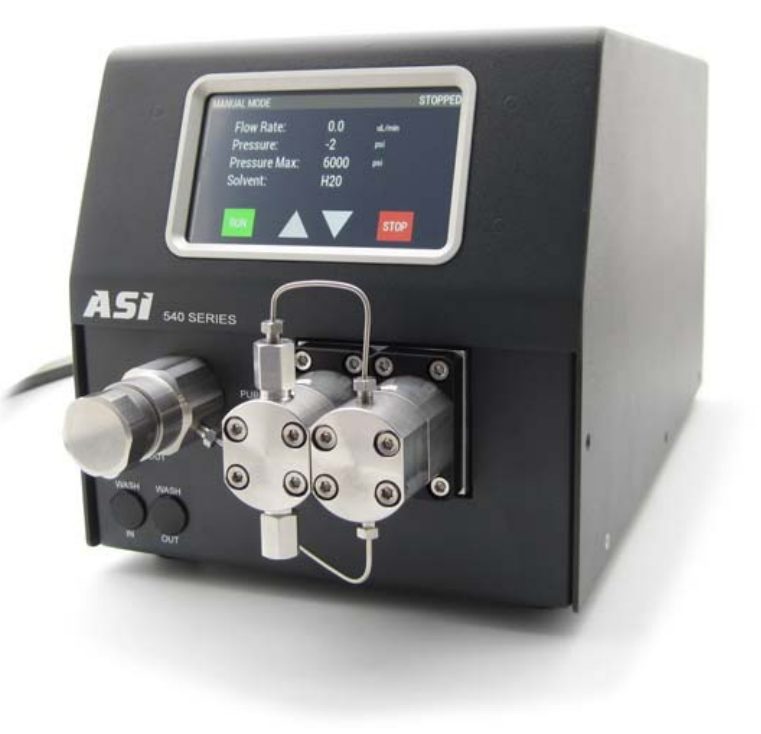
Peristaltic pumps dominate single-use lines because the product only touches tubing, while low shear lobe, diaphragm and magnetically levitated centrifugal pumps handle buffer preparation and larger transfers. Cell cultures do not survive rough handling, so shear is the first selection criterion. More in Pumps and Pumping Systems.

Which valves are used in a biopharma plant?

Sanitary diaphragm valves are the standard in stainless steel systems because they are drainable, steamable and have no crevices. Single-use lines use pinch valves and pre-assembled sterile connectors instead, which removes cleaning validation altogether. More in Process and Control Valves.

How is flow measured in biopharmaceutical production?

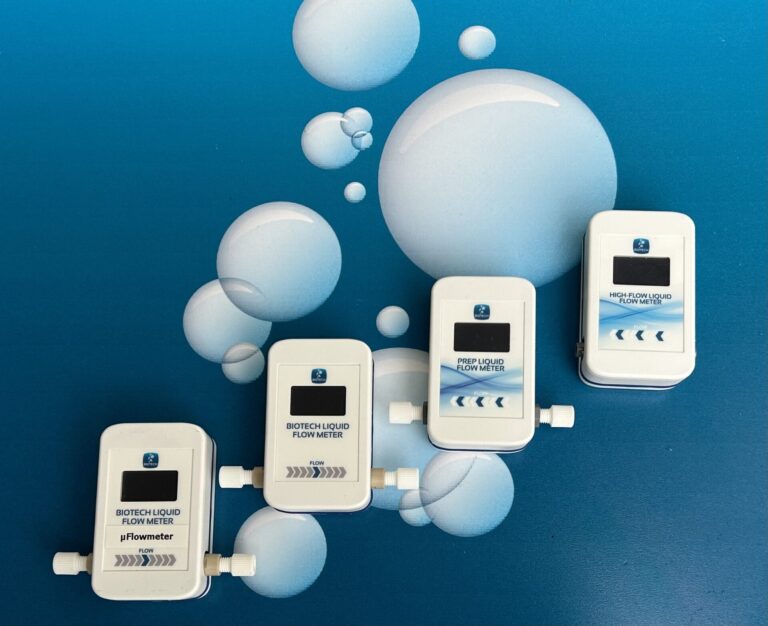
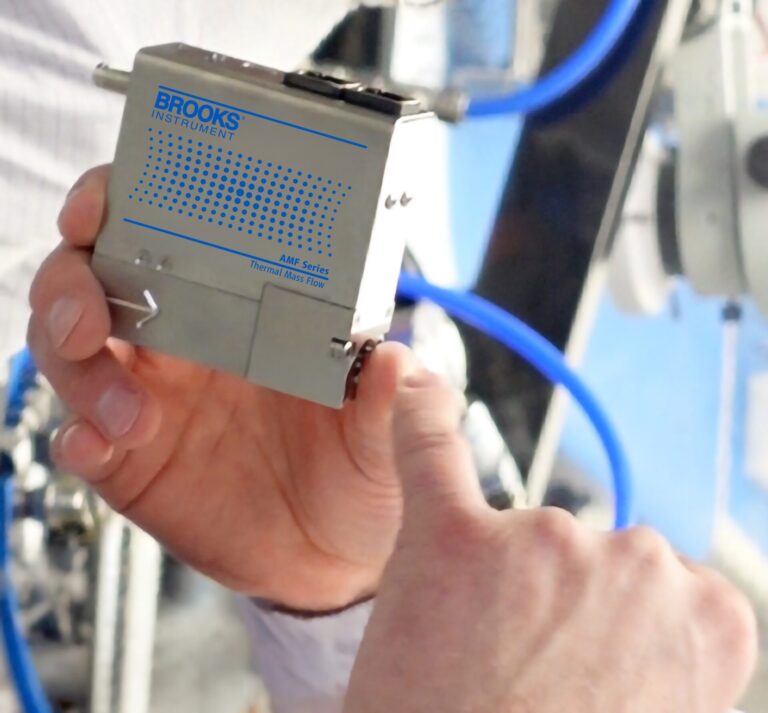
Coriolis and single-use ultrasonic or thermal flow meters measure feeds, perfusion rates and buffer additions without contacting the product in a way that would compromise sterility. Accuracy at very low flow rates matters more here than wide turndown. More in Flow Control and Measurement.

Why is filtration central in biopharma?

Sterile filtration, virus filtration, depth filtration and tangential flow filtration for concentration and diafiltration together carry a large part of downstream processing. Filter integrity testing is part of batch release, not an optional check. More in Fluid Filtration Systems.

How is level measured in bioreactors?

Load cells, radar and capacitive sensors track volume in bioreactors, buffer vessels and single-use bags. In single-use systems weighing is often preferred because nothing has to enter the sterile boundary. More in Level Control and Measurement.

Which inline measurements are used in bioprocessing?

pH, dissolved oxygen, conductivity, UV absorbance and increasingly Raman spectroscopy follow a batch while it runs. That is what makes process analytical technology and real time release possible instead of waiting for the laboratory. More in Process Gas and Liquid Analytical Systems.

How do I find suppliers active in this market?

Use the Manufacturers Directory A-Z, or open a supplier profile from the field experts listed on this page. Partner profiles carry direct contact details; other listings link to the company website.

Can I ask a technical question before I buy?

Yes. Ask the Expert puts your question to a field expert active in Biopharmaceutical Processing. The answer comes back to you by e-mail; when we publish it, other readers benefit too.

Want to be the expert readers ask?

Field experts get a byline, a company profile and direct questions from readers. Partner packages add product visibility and a place in the Weekly E-Update.

Become an expert