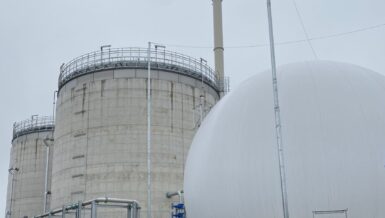




A biogas plant runs on biology, and biology does not keep to a fixed schedule. Feedstock changes, temperatures drift and bacteria respond. The most reliable way to see what is happening inside the digester is to measure the gas it produces. A well-chosen biogas analyzer turns that gas into data: how much methane the process yields, whether hydrogen sulfide is under control, and whether the gas is fit for an engine or for the public grid.
Why Gas Composition Decides Biogas Plant Performance
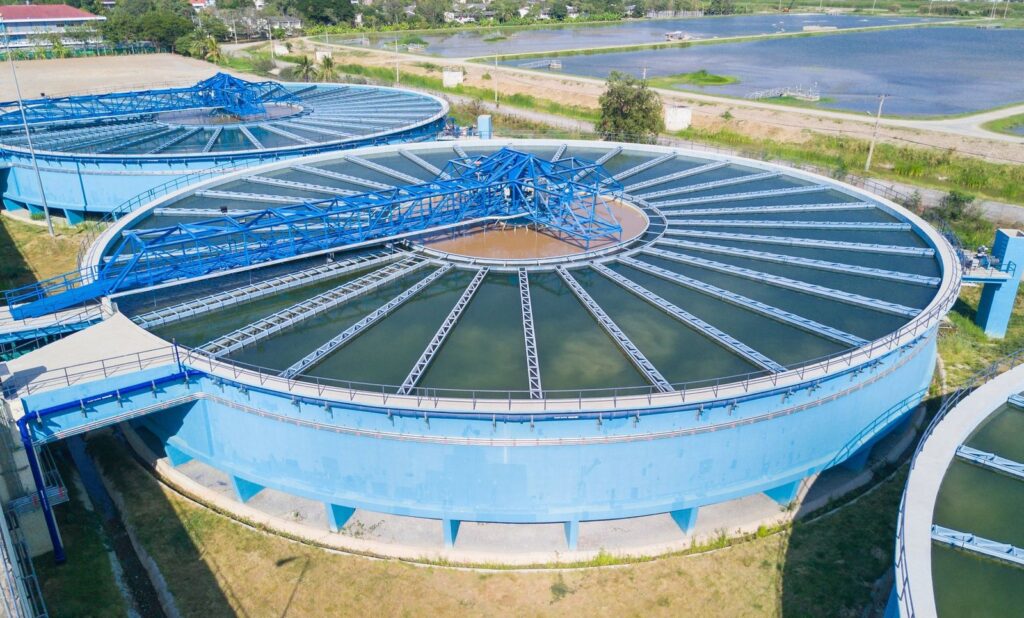
Biogas is produced when microorganisms break down organic material in the absence of oxygen, a process known as anaerobic digestion. It takes place in agricultural digesters, in co-digestion plants that combine manure with energy crops or food waste, and in the sludge digesters of municipal wastewater treatment plants.
The valuable component is methane, with an energy content of roughly 10 kWh per cubic meter. The rest is mostly carbon dioxide, plus water vapor and small amounts of nitrogen, oxygen, ammonia and hydrogen sulfide. The exact mix depends on the feedstock and on how well the process is running, which is exactly why operators monitor it continuously.
| Component | Typical range in raw biogas |
|---|---|
| Methane (CH4) | 45 – 70 % |
| Carbon dioxide (CO2) | 25 – 55 % |
| Water vapor (H2O) | 0 – 10 % |
| Nitrogen (N2) | 0.01 – 5 % |
| Oxygen (O2) | 0.01 – 2 % |
| Hydrogen (H2) | 0 – 1 % |
| Hydrogen sulfide (H2S) | 10 – 30,000 mg/m³ |
| Ammonia (NH3) | 0.01 – 2.5 mg/m³ |
The Four Gases Every Biogas Plant Should Watch
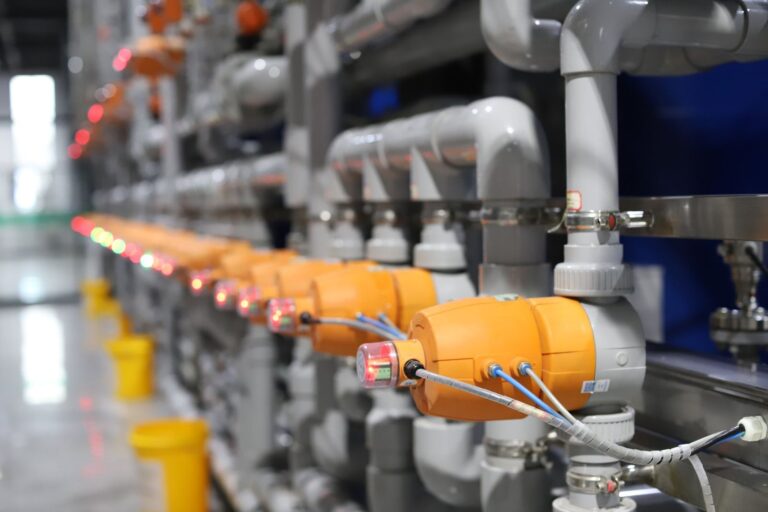
Whatever the size of the plant, four components tell operators most of what they need to know about the process and the quality of the gas.
- Methane (CH4): the energy carrier and the direct measure of process yield. A falling methane share is often the first sign that the digester is under stress.
- Carbon dioxide (CO2): the main by-product. Its ratio to methane shows how efficiently the feedstock is converted and how much work an upgrading plant has to do.
- Oxygen (O2): should be close to zero in a sealed system. Oxygen readings reveal air leaks, confirm the dosing of air for biological desulfurization and help keep mixtures outside the explosive range.
- Hydrogen sulfide (H2S): toxic and highly corrosive in combination with water. High concentrations inhibit the digestion process itself and damage engines, pipework and upgrading equipment.
Measurement Points From Digester To Gas Grid
Most plants measure at more than one point, because the composition of the gas changes along the way. A typical layout covers:
- Raw gas at the digester: CH4, CO2, O2 and H2S to control feeding, temperature and desulfurization, and to optimize yield.
- After desulfurization: H2S as proof that gas treatment works before the gas reaches the combined heat and power (CHP) unit.
- Long gas lines: oxygen monitoring between digester and engine to detect leaks early.
- Upgrading and grid injection: full composition, calorific value and trace components of the biomethane before it enters the network.
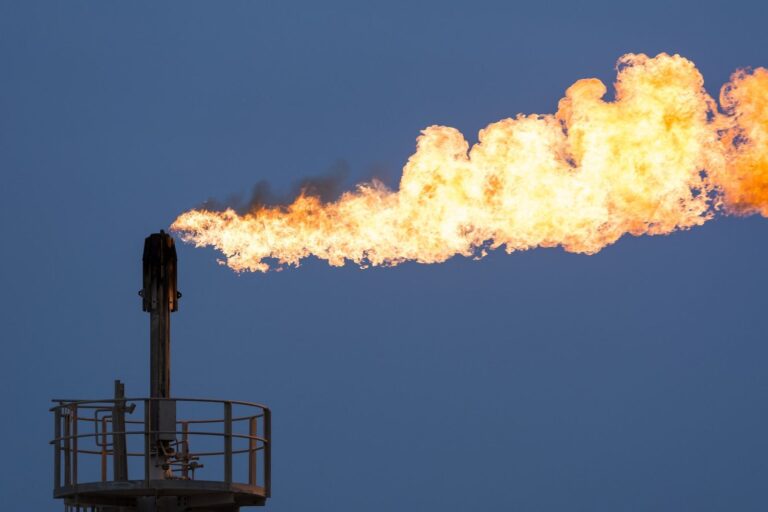
- Flare and safety systems: methane and oxygen readings that support safe operation when surplus gas has to be burned.
Keeping Hydrogen Sulfide Under Control
Hydrogen sulfide levels vary widely, from a few hundred ppm to several thousand ppm, with co-digestion of protein-rich waste at the high end. Common countermeasures are dosing a small amount of air into the digester headspace, so that bacteria oxidize the H2S to elemental sulfur, or adding iron salts such as ferric chloride to bind the sulfur in the substrate. External scrubbers and activated carbon filters remove what is left.
Each of these methods depends on a reliable measurement. Too little treatment leaves corrosive H2S in the gas, while too much air dilutes the methane and raises the oxygen content. A continuous H2S reading lets operators dose exactly what the process needs.
Protecting Gas Engines In CHP Units
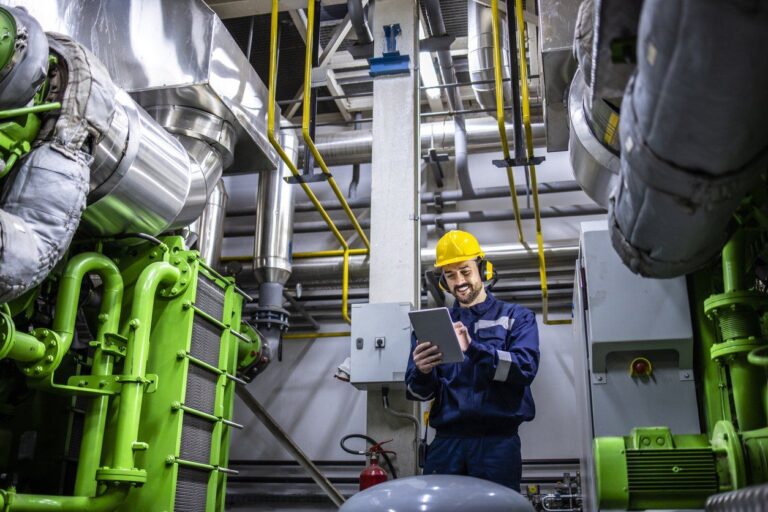
Most biogas is still converted on site into electricity and heat by a gas engine. Every percentage point of methane counts toward electrical efficiency, and every ppm of H2S counts against engine life. Sulfur compounds form acids in the lubricating oil, shorten oil-change intervals and attack valve seats and cylinder heads.
Engine manufacturers therefore set limits for H2S in the fuel gas, often a few hundred ppm or lower, and may ask for documented proof that those limits were respected. Continuous monitoring of methane and H2S at the engine inlet provides that record and helps plants get the most out of on-site power generation.
Qualifying Biomethane For The Gas Grid
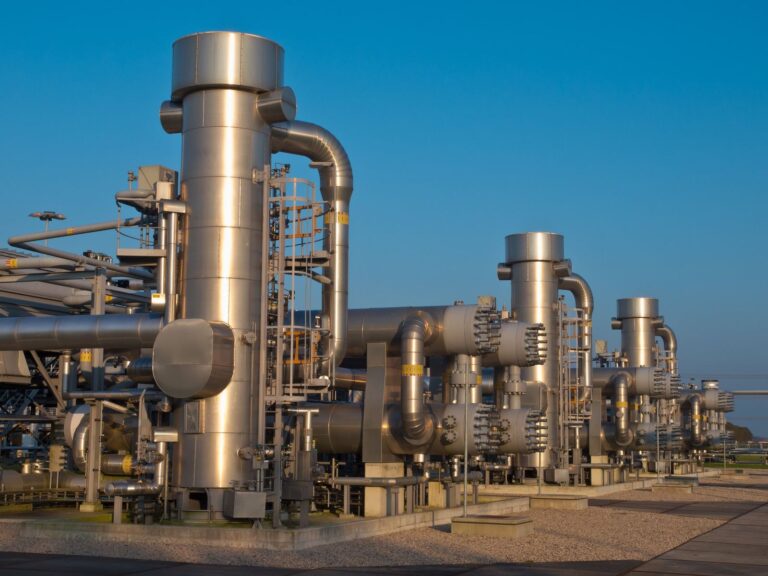
Upgrading removes carbon dioxide, water and contaminants, turning biogas into biomethane with a quality comparable to natural gas. Before injection, the gas has to meet the network specification. In Europe, EN 16723-1 sets the framework for biomethane injected into natural gas networks, and national grid operators add their own requirements for parameters such as sulfur, oxygen and hydrogen content.
Injection points usually combine several instruments: a gas chromatograph for the full hydrocarbon composition, calorific value and Wobbe index, plus dedicated analyzers for oxygen, moisture and sulfur compounds. Where the measurement is used for billing, the system generally needs approval for custody transfer in the country concerned.
Choosing The Right Analyzer Technology
The right process gas analyzer depends on the measuring point, the concentration range and the accuracy the application demands. These are the technologies most often found in biogas and biomethane plants:
- NDIR (non-dispersive infrared): the workhorse for methane and carbon dioxide in percent ranges, robust and suited to continuous operation.
- Electrochemical sensors: a compact and economical way to measure oxygen and hydrogen sulfide, often built into the same instrument as the infrared channels.
- Paramagnetic oxygen sensors: for applications that need high accuracy and long-term stability, such as grid injection.
- Tunable diode laser absorption spectroscopy (TDLAS): real-time measurement of H2S, moisture and CO2 in biomethane.
- Gas chromatography: the complete composition, including higher hydrocarbons and hydrogen, with calculated calorific value, density and Wobbe index.
- In-situ probes: mounted directly in the gas line to measure methane, carbon dioxide and humidity without a sample extraction system.
Many operators start with a multi-component analyzer that combines infrared and electrochemical channels in one housing. Plants that inject into the grid or run large CHP installations typically add gas chromatography and dedicated trace analyzers.
Sample Conditioning Makes Or Breaks The Measurement
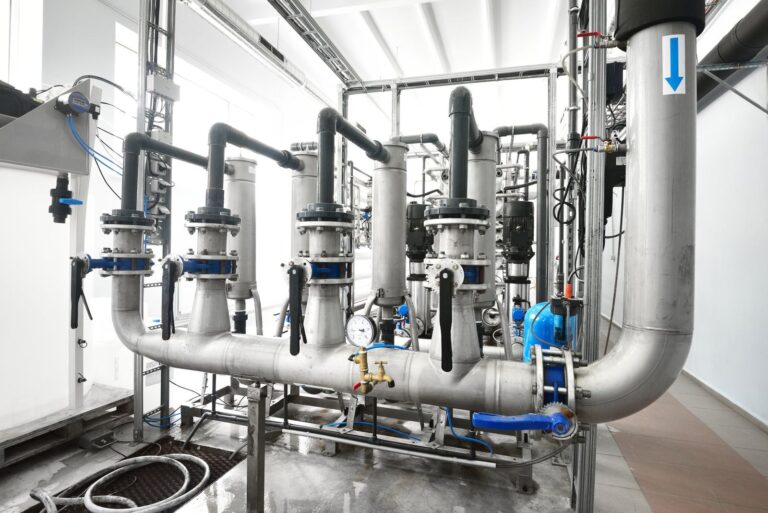
Raw biogas is warm, saturated with water and loaded with particles, a hostile environment for any analyzer. Extractive systems therefore condition the sample before it reaches the measuring cells:
- Cooling and drying: a gas cooler, often a Peltier unit, removes moisture and prevents condensate in the cells.
- Filtration: particle filters protect valves, pumps and optical components.
- Sample pump and flow control: a steady flow through the analyzer for stable readings.
- Flame arresters and protective housings: needed because the sample is flammable and many installations are outdoors or in dusty buildings.
- Measuring point selectors: one analyzer can monitor several digesters or sampling points in turn.
When selecting equipment, look for analyzers certified for flammable gases in the relevant concentration range and a housing rated for the installation environment.
Calibration And Maintenance
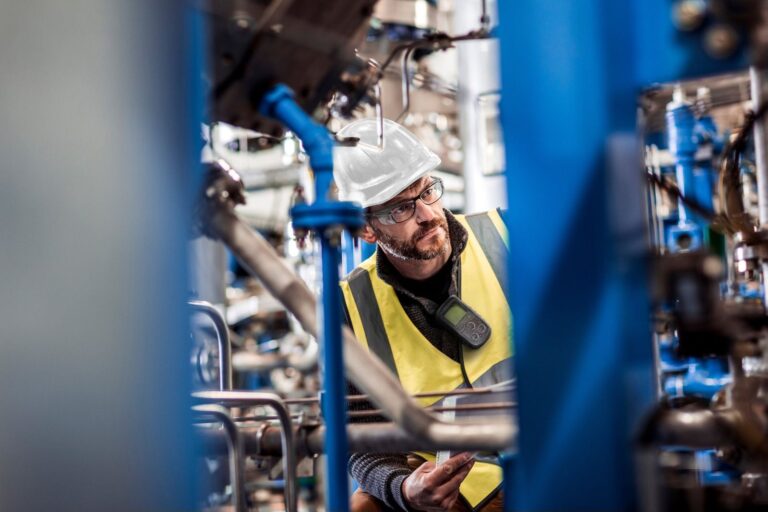
Many modern biogas analyzers can calibrate their zero point automatically with ambient air, which reduces the need for expensive test gases and switching valves. Electrochemical H2S and O2 sensors age and have to be replaced at intervals the manufacturer specifies. A check with certified test gas, typically at least once a year, confirms that the readings are still correct.
Professional installation inspection, start-up and a service agreement help keep a multi-point system reliable over its full lifetime, especially when the measurements are used for engine warranties or grid injection.
Watch: Biogas Measurement In Practice
Biogas Analyzer Manufacturers In The Directory
Looking for suppliers? These manufacturers of gas analysis and measurement technology for biogas and biomethane are listed in the Fluid Handling Pro directory:
- ABB Measurement and Analytics: gas analysis for biomethane and LNG
- Endress+Hauser: TDLAS analyzers for H2S, moisture and CO2 in biogas and biomethane
- Honeywell: gas chromatographs for biogas and natural gas quality
- Michell Instruments: moisture measurement in biomethane for grid injection
- Vaisala: in-situ multigas probes for raw biogas
Browse all suppliers of analyzers and sensors in the Analytical Systems section of the Equipment Guide, or search the complete Manufacturers Directory.
Sources And Further Reading
- CEN, EN 16723-1: Specifications for biomethane for injection in the natural gas network
- Endress+Hauser, Real-time quality measurements in biogas and biomethane
- Vaisala, Biogas production
- Michell Instruments, Moisture measurement in biomethane for injection to grid (white paper)
- Honeywell, EnCal 3000 Biogas gas chromatograph
- Manufacturer application literature on process analytics in biogas plants (2021)