


Market

Hydrogen Processing

Hydrogen and green fuels are moving from pilot projects to industrial scale, and fluid handling technology decides how safely and efficiently that happens. Electrolysers, compressors, pumps, valves, flow meters and heat exchangers handle water feed, potassium hydroxide, cooling circuits and high-purity hydrogen — alongside ammonia, methanol and other hydrogen carriers — under demanding pressure, purity and leak-tightness requirements.

Latest in this market

Hydrogen Processing news and case studies

All articles in this market
Independent editorial selection — no sales pitches. Sponsored items are marked as such. Submit your news

Promoted videos

Hydrogen Processing in action

All videos

What this market covers

Key questions about Hydrogen Processing

14 topics explained in the questions at the bottom of this page. Read them

Ask the Expert

Ask a hydrogen processing expert — free

Engineers and product specialists who answer technical questions from readers. The answer comes back to you by e-mail; when we publish it, other readers benefit too.

View all experts
Casey WilliamsonGF Casey Williamson is Head of Business Development Microelectronics Global Industries for Georg Fischer. For the last 25 years, he has provided support… Ask a question

Market & Technology Focus

Hydrogen Processing, in depth in your inbox

Every Thursday edition takes one market or technology in depth. These are the editions on this market — read them online or get the next one by e-mail.

Subscribe to our E-newsletters

Join 43,000+ engineers, plant managers and technical buyers. Free, twice a week.

What this market covers

Frequently asked about hydrogen processing

What is the hydrogen industry?

The hydrogen industry covers the production, purification, compression, storage and distribution of hydrogen, together with the derived fuels that carry it: ammonia, methanol and synthetic hydrocarbons. It spans everything from grey hydrogen produced by steam methane reforming to green hydrogen made by electrolysis with renewable power.

For fluid handling, hydrogen is an unusually demanding medium. The molecule is the smallest there is, which makes sealing and leak-tightness critical; it embrittles many metals; and most processes run at high pressure, from 30 bar at the electrolyser to 700 bar at a refuelling station.

The value chain is usually split into three parts:

  • Production: electrolysis, reforming, and increasingly the electrolyte and cooling circuits that keep a stack running.
  • Conversion and storage: compression, liquefaction, and conversion into ammonia or methanol for transport.
  • Use: refuelling stations, fuel cells, industrial burners and the replacement of fossil feedstock in chemicals and steel.
Hydrogen production technology

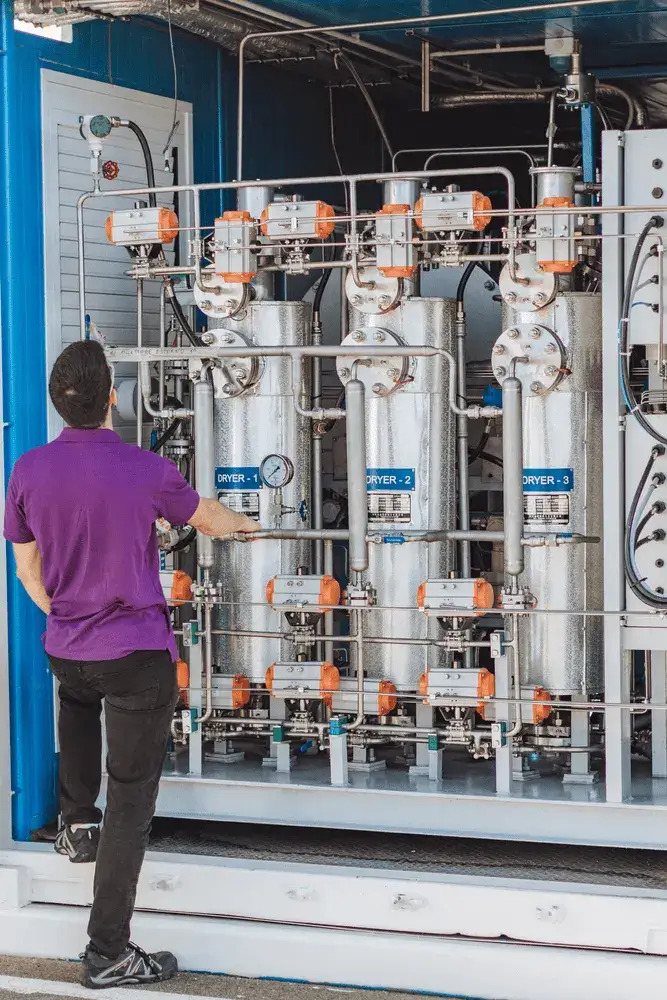
An electrolyser plant is above all a fluid handling plant. Demineralised water is fed to the stack, potassium hydroxide or pure water circulates through it, gas and liquid are separated, and the product hydrogen is dried, purified and compressed. Each of those steps needs pumps, valves, heat exchangers and instrumentation selected for the medium rather than borrowed from another industry.

Alkaline and PEM electrolysers place different demands on equipment: caustic-resistant circulation pumps and gaskets for alkaline systems, ultrapure water and metal-free wetted parts for PEM. Cooling is a constant theme, because a large share of the electrical input leaves the stack as heat.

Downstream, diaphragm and ionic compressors, cryogenic pumps and high-pressure valves handle hydrogen up to 700 bar, with materials chosen to resist embrittlement.

Water treatment for hydrogen production

Electrolysis consumes roughly nine litres of ultrapure water per kilogram of hydrogen, and the quality of that water directly determines stack life. Feed water is treated by reverse osmosis and electrodeionisation to remove ions, organics and particles that would otherwise poison membranes and electrodes.

Where projects are sited on the coast or in water-scarce regions, desalination is added ahead of the polishing steps, which brings seawater intake, pretreatment and brine handling into scope. Cooling water circuits, condensate recovery and the treatment of caustic blowdown complete the picture.

Water treatment is therefore one of the largest single sources of pumps, membranes, filtration and analytical instrumentation in a hydrogen plant.

Hydrogen industry news

Fluid Handling Pro follows the equipment side of the hydrogen economy: pumps and compressors for electrolysers and refuelling, valves rated for hydrogen service, flow and level measurement in electrolyte and gas circuits, heat exchangers for stack cooling, and the filtration and analysis that keep hydrogen at the required purity.

You will find product launches, project announcements, case studies and expert opinion from the manufacturers supplying this market. Browse the latest hydrogen articles on this page, or subscribe to the e-newsletter to receive a selection by email.

Fluid control in hydrogen production

Valves in hydrogen service are selected for leak-tightness first. Hydrogen escapes through paths that would hold nitrogen or natural gas without trouble, so bellows-sealed stems, metal seats and certified low fugitive emission designs are common, together with materials that resist embrittlement at pressure.

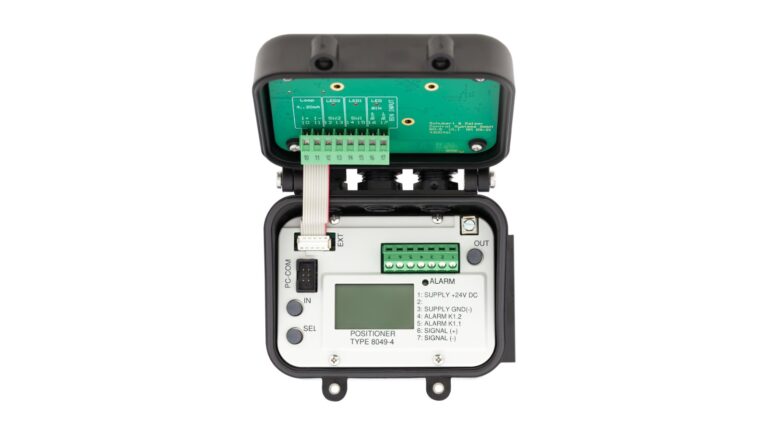
Control tasks range from electrolyte circulation and stack differential pressure to hydrogen dosing into blending stations and pressure staging in refuelling. Safety instrumented functions play a larger role than in most process industries: fast-acting shut-off, pressure relief and gas detection are part of the control design rather than an afterthought.

Ammonia and methanol plants downstream add their own requirements, from cryogenic transfer valves to high-pressure synthesis loops.

Level measurement in hydrogen production

Level measurement in a hydrogen plant is mostly about separators, buffer vessels and electrolyte tanks. Gas-liquid separators downstream of the stack need reliable level control to keep hydrogen and oxygen apart and to protect downstream equipment, often with guided wave radar or differential pressure in caustic-resistant materials.

Storage of demineralised water, potassium hydroxide and, further along the chain, liquid ammonia or methanol brings its own instrumentation: radar for large tanks, point level switches for overfill protection, and interface measurement where two liquids meet. Cryogenic hydrogen storage adds a further layer, with measurement principles that tolerate very low temperatures.

Flow measurement in hydrogen production

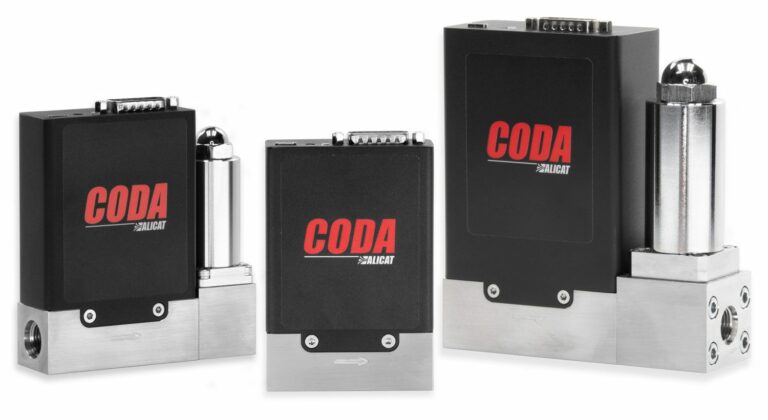
Hydrogen is the hardest common gas to meter: very low density, very high velocity and a tendency to leak past anything mechanical. Thermal mass and Coriolis meters are the usual answer, with Coriolis increasingly used in refuelling because it measures mass directly, which is what the customer is billed for.

Inside the plant, flow measurement covers demineralised water feed, electrolyte circulation, cooling loops and product gas, each with different accuracy and material requirements. Ultrasonic and vortex meters appear in larger pipelines and in blending applications where hydrogen is mixed into natural gas.

Custody transfer and efficiency reporting both depend on this measurement, so accuracy and long-term stability matter more than purchase price.

Temperature control in hydrogen production

Electrolysis is only partly efficient, and the remainder leaves the stack as heat. Keeping the stack within its temperature window protects membrane life and efficiency, so cooling circuits, plate heat exchangers and accurate temperature measurement are core equipment rather than utilities.

Recovering that heat is one of the clearest efficiency gains in a hydrogen project: waste heat at 60 to 80 degrees Celsius can feed district heating or a neighbouring process. Further along the chain, compression generates heat that must be removed, liquefaction requires cryogenic cooling, and ammonia and methanol synthesis run strongly exothermic reactions that depend on precise thermal control.

Which pumps are used in hydrogen production?

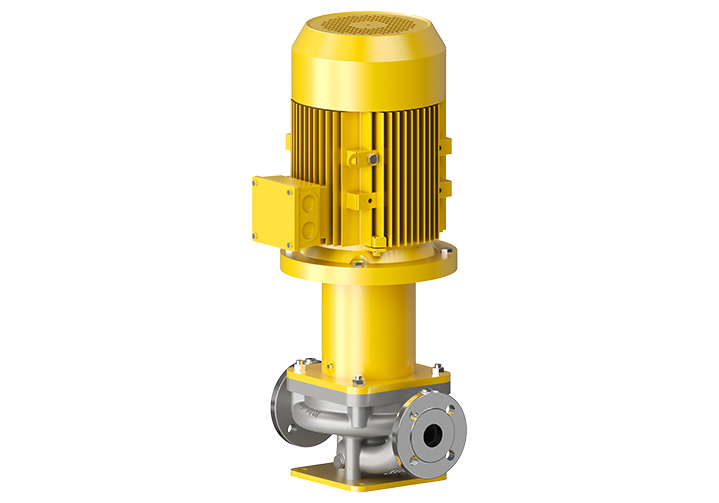
Electrolyser plants run circulation pumps on demineralised water and potassium hydroxide, feed pumps on the cooling circuit, and cryogenic or reciprocating pumps where liquid hydrogen and ammonia are handled. Material compatibility with KOH and the very low viscosity of liquid hydrogen drive the selection more than head and capacity do. More in Pumps and Pumping Systems.

Which valves are used in hydrogen systems?

Hydrogen is the smallest molecule in the plant, so valves are selected on leak tightness first. Bellows sealed and metal seated ball valves, hydrogen rated solenoid valves and fast acting shut-off valves are common, with material choices that avoid hydrogen embrittlement in the pressure envelope. More in Process and Control Valves.

How is pressure controlled in a hydrogen plant?

Pressure runs from a few bar in the electrolyser stack to 350 or 700 bar at the dispenser, and every step in between needs regulation, relief and monitoring. Pressure transmitters and regulators keep the stack differential stable, protect membranes and control compressor stages, while relief and venting design carries the safety case. More in Pressure Control and Measurement.

Why is filtration important for hydrogen purity?

Fuel cell grade hydrogen leaves very little room for contaminants, so coalescers, particulate filters and dryers sit between the stack and the compressor. On the feed side, filtration and demineralisation protect the electrolyser from ions and particles that shorten membrane life. More in Fluid Filtration Systems.

How is hydrogen stored on site?

Hydrogen is stored as compressed gas in tube trailers and bundles, as a cryogenic liquid, or chemically bound in ammonia, methanol or a liquid organic carrier. Each route has its own tank design, boil-off behaviour, safety distance and instrumentation. More in Fluid Storage.

How is hydrogen quality measured?

Inline analysers watch oxygen in hydrogen and hydrogen in oxygen for safety, and moisture, nitrogen and trace contaminants for purity grade. The measurement decides whether a batch may go to a fuel cell customer or has to be vented or reprocessed. More in Process Gas and Liquid Analytical Systems.

How do I find suppliers active in this market?

Use the Manufacturers Directory A-Z, or open a supplier profile from the field experts listed on this page. Partner profiles carry direct contact details; other listings link to the company website.

Can I ask a technical question before I buy?

Yes. Ask the Expert puts your question to a field expert active in Hydrogen Processing. The answer comes back to you by e-mail; when we publish it, other readers benefit too.

Want to be the expert readers ask?

Field experts get a byline, a company profile and direct questions from readers. Partner packages add product visibility and a place in the Weekly E-Update.

Become an expert