




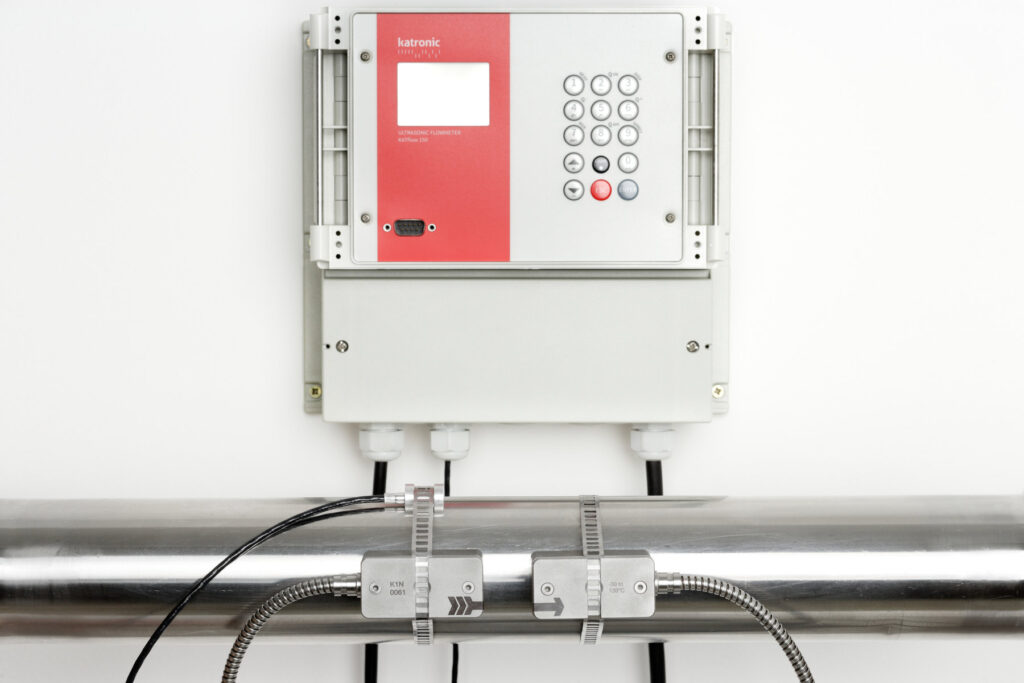
Targeted flow and thermal energy measurements using Katronic technology identify heat losses in the hot water supply system, paving the way for further efficiency improvements.
More Than 125 Years of Production in Singen
With a history spanning more than 125 years, the Maggi factory is an established part of the industrial landscape in Singen. Today, almost 40 million bottles of Maggi seasoning and more than 30 million cans of ravioli leave its production lines every year.
Against the backdrop of Nestlé’s climate targets and its ambition to achieve carbon neutrality, improving energy efficiency at the site has become increasingly important. One of the main focuses of the investigation was therefore to analyse heat demand. The data collected was also intended to help determine future heat pump capacity requirements as part of a potential transition towards electrified heat supply.
16 Measurement Points Across a Complex Utility Network
The site’s technical infrastructure comprises around 40 buildings and a complex utility network supplying various media, including steam, chilled water and hot water. A total of 16 measurement points were planned to provide a comprehensive assessment of energy consumption and distribution. This challenging task required a flexible measurement strategy, involving the use of various Katronic flowmeters.
Clamp-On Ultrasonic Flowmeters Measure Without Interrupting Operations
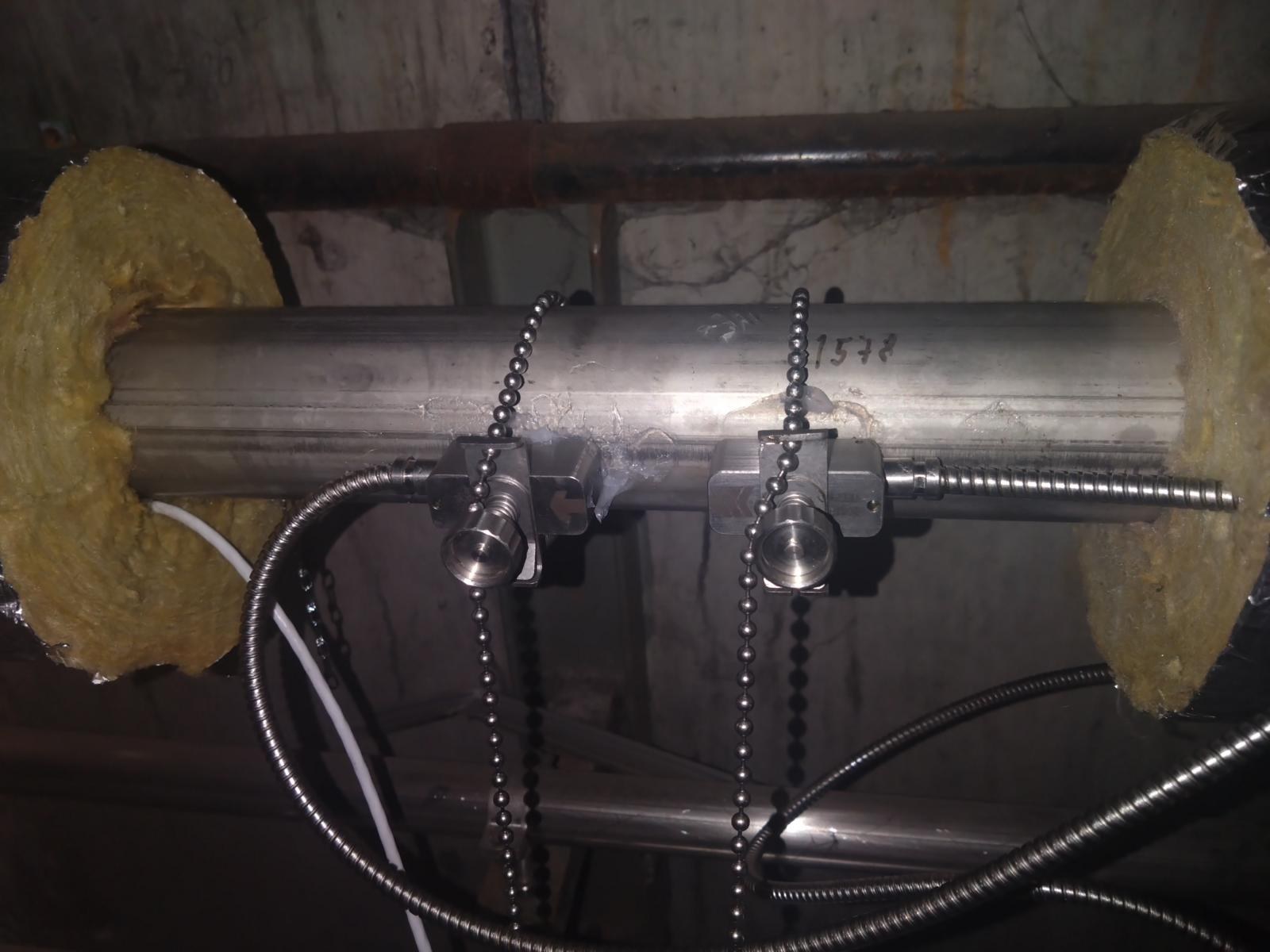
The measurements were carried out using non-invasive clamp-on ultrasonic flowmeters. The sensors are mounted externally on the surface of the pipe, eliminating the need to interfere with the pipework itself. Measurements can therefore be performed without interrupting ongoing operations or opening the pipelines. This reduces installation effort and makes it possible to monitor existing systems where retrofitting conventional in-line instrumentation would otherwise involve considerable expense and disruption.
Condensate Flows Measured Instead of Steam
Water flow rates were recorded at twelve measurement points, predominantly in hot water pipelines. Steam measurements were initially planned at additional locations. However, preliminary tests showed that condensate formation and significant fluctuations in flow velocity prevented sufficiently reliable measurement results under the prevailing conditions. The measurement strategy was therefore adapted: instead of measuring the steam directly, condensate flows were measured at four suitable locations to obtain the data required for the energy balance.
KATflow 150 and KATflow 230 for Flow and Thermal Energy Measurements
The KATflow 150 and KATflow 230 instruments were used for flow and thermal energy measurements. They can measure volumetric flow rates and, when combined with suitable temperature sensors, determine the amount of thermal energy transported through the pipeline. This makes it possible to monitor energy flows within existing utility systems without extensive modifications to the pipework or disruption to production.
Rerouted Pipeline Reduces Heat Losses
Analysis of the measurement data ultimately revealed a significant weakness in the hot water supply system: substantial amounts of thermal energy were being lost along one pipeline. By rerouting the affected section, these losses could be significantly reduced. The result is annual energy cost savings of approximately €10,000.
Savings Without Costly Technical Modifications
The project in Singen demonstrates how accurate flow and thermal energy measurements can contribute to improving energy efficiency in industrial utility networks. In many cases, economically significant savings can be identified through a detailed analysis of existing installations – without the immediate need for costly technical modifications or extensive investment in new equipment.