

Market

Gas Processing

Natural gas processing separates raw gas into clean methane and valuable liquids, and fluid handling technology runs every step. Compressors, pumps, control valves, flow meters and analysers handle separation, dehydration, sweetening and fractionation of gas, condensate and glycol, under pressure, purity and leak-tightness requirements that also decide how much methane escapes to the atmosphere.

Latest in this market

Gas Processing news and case studies

All articles in this market
Independent editorial selection — no sales pitches. Sponsored items are marked as such. Submit your news

Promoted videos

Gas Processing in action

All videos

What this market covers

Key questions about Gas Processing

15 topics explained in the questions at the bottom of this page. Read them

Ask the Expert

Ask a gas processing expert — free

Engineers and product specialists who answer technical questions from readers. The answer comes back to you by e-mail; when we publish it, other readers benefit too.

View all experts

Market & Technology Focus

Gas Processing, in depth in your inbox

Every Thursday edition takes one market or technology in depth. These are the editions on this market — read them online or get the next one by e-mail.

Subscribe to our E-newsletters

Join 25,000+ engineers, plant managers and technical buyers. Free, twice a week.

What this market covers

Frequently asked about gas processing

The goals of gas processing are:
  • to produce transportable gas
  • prepared to meet the specific sales requirements (pipeline quality dry natural gas)
  • maximize liquid recovery

Methane is the gas found in natural gas, and natural gas processing is used to remove other gases and impurities. Natural gas processing can occur either before pipeline transportation or afterward.

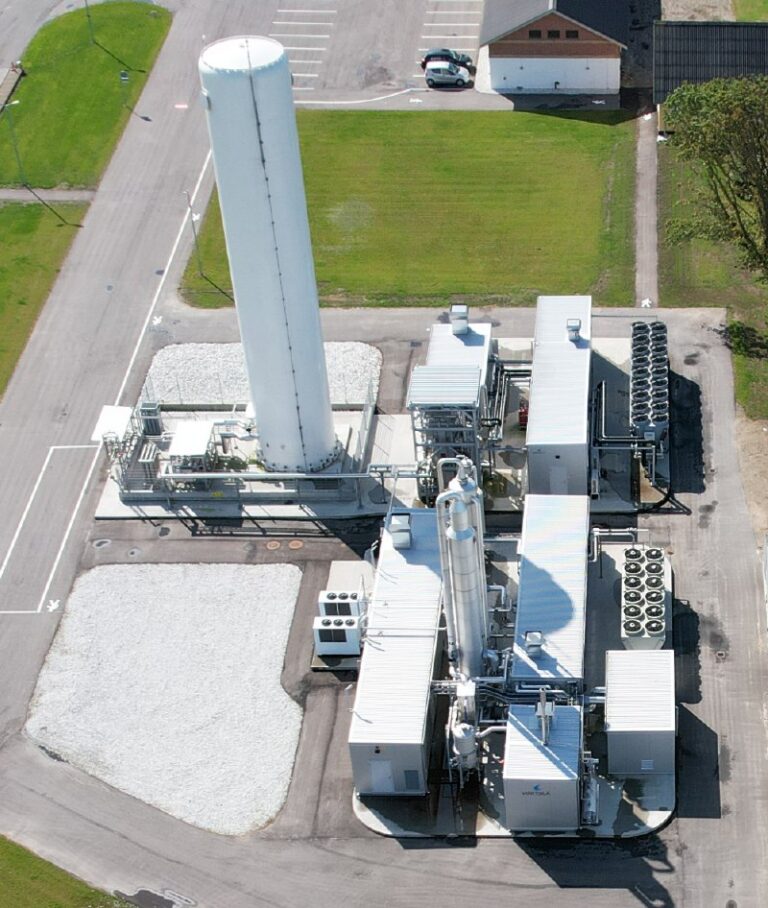
Gas processing plant

A gas processing plant encompasses the equipment between the gas wells and the pipeline or other transportation methods.

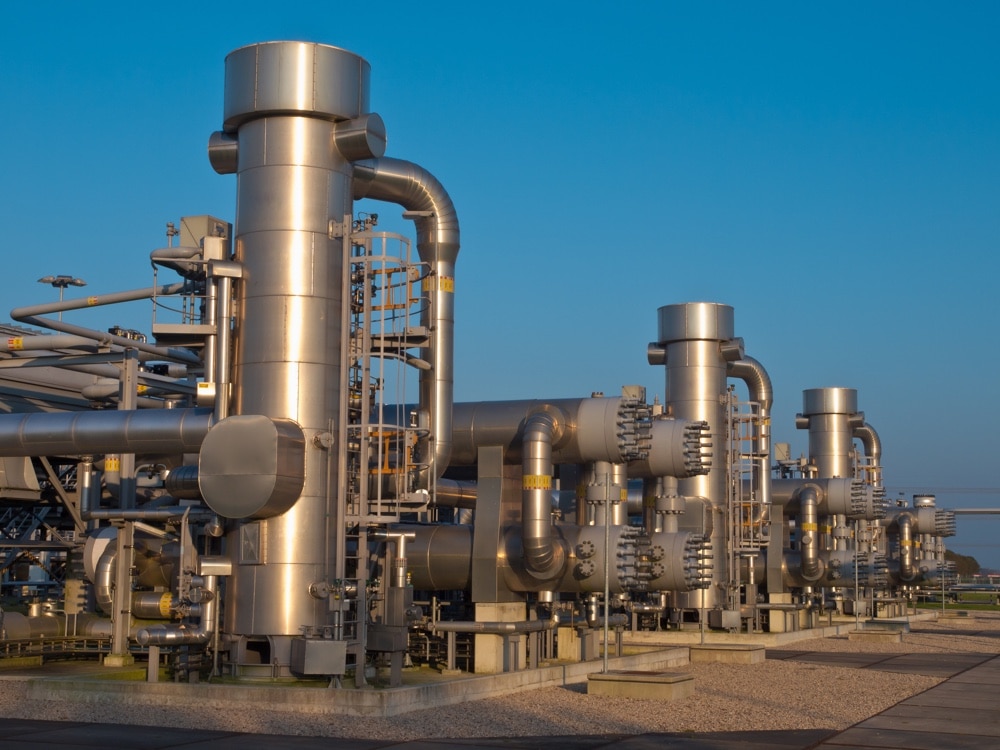
An Example of a natural gas plant

The purpose of the gas processing plant is to remove the impurities and contaminants from the gas, remove solids and liquids, and prepare the gas to meet the specific sales requirements of the purchaser.

Gas processes

Gas processing consists of separating all of the various hydrocarbons, non-hydrocarbons (such as carbon dioxide and hydrogen sulfide), and fluids from the methane.

Pipeline

The gas processing plant takes the raw material (natural gas, pipeline condensate, water, hydrogen sulfide, and sulfur). It generates intermediate products (aw make, plant condensate, natural gasoline, and ethane-propane streams) and finished products (transmission quality natural gas, butane, and propane).

Natural gas process

The natural gas process depends on the location and composition of the raw gas and the application of the gas by the end-users.

How is natural gas processed?

The processing of natural gas to pipeline dry gas quality levels can be very complex, but commonly involves these main processes to remove the various impurities:

Removal of large particles - The first step of natural gas processing is to remove the most significant impurities, for example, sand, with scrubbers. Heaters ensure that the temperature does not fall below a certain level.

Oil, condensate, and water removal - Then, the oil, gas, and water are separated. The gas in this state can still have sulfur and is called sour gas. Sending natural gas through a pipeline in this state is undesirable because corrosion can occur due to sulfur.

Sulfur and carbon dioxide removal - Therefore, the next step is to remove the sulfur and carbon dioxide from the natural gas.

Separation of natural gas liquids - One of the final steps of natural gas processing is known as natural gas liquid recovery, where many of the hydrocarbons besides methane are removed and collected.

The collected liquids serve many uses and can be pretty valuable. These hydrocarbons include but are not limited to propane, butane, and ethane.

Gas to liquid process

The gas to liquid process (GTL) can be defined as converting natural gas into high-quality liquid products that would otherwise be made from crude oil. These liquid products include motor oils, transport fuels, and the ingredients for everyday necessities like plastics, detergents, and cosmetics.

Gas processing units

The natural gas processing facilities consist of several different gas processing units, but all typically have:

  • Inlet receiving and compression
  • Gas treating
  • Sulfur removal
  • Dehydration
  • Hydrocarbon recovery
  • Outlet compression
Gas processing equipment

Although there are many options for processing natural gas, no one option is best for all circumstances.

Important considerations when choosing the correct processing method are:

  • Gas composition
  • Residue specifications
  • NGL takeaway
  • Expected long-term inlet gas volume and composition projections

In many cases, the best answer ends up being multiple processing options that change over time as the field develops and then matures due to inlet volume and composition fluctuations.

Gas processing companies

Gas processing companies strive to optimize production and minimize downtime and operational cost while maintaining safe operation. For this purpose, these gas processing systems must meet stringent process control requirements while being reliable and scalable.

Gas processing companies must find ways to improve plant efficiency and increase throughput without commissioning a complete plant overhaul. Integration of information technology and upgraded operations technology systems can be a cost-effective way to achieve the production visibility required to improve efficiencies.

Gas processing news

The natural gas industry has, from its outset, always been wide open to innovation and every kind of modern technology. Technological advances have constantly shaped and re-shaped every industry stage, from exploration right through to final usage.

Scientists, researchers, and engineers need to keep updated with technology and business information for the natural gas industry, including shale gas, LNG, CNG, gas processing, and gas production.

Innovative gas treatment technologies promise to reduce energy consumption. These gas processing innovations could revolutionize the fuel market.

Which pumps are used in gas processing?

Glycol circulation pumps run the dehydration loop, amine pumps circulate the sweetening solvent, and reflux and condensate pumps serve the fractionation towers. Cryogenic pumps handle LNG and NGL at very low temperature, where thermal contraction and low viscosity set the design. More in Pumps and Pumping Systems.

How is flow measured in gas processing?

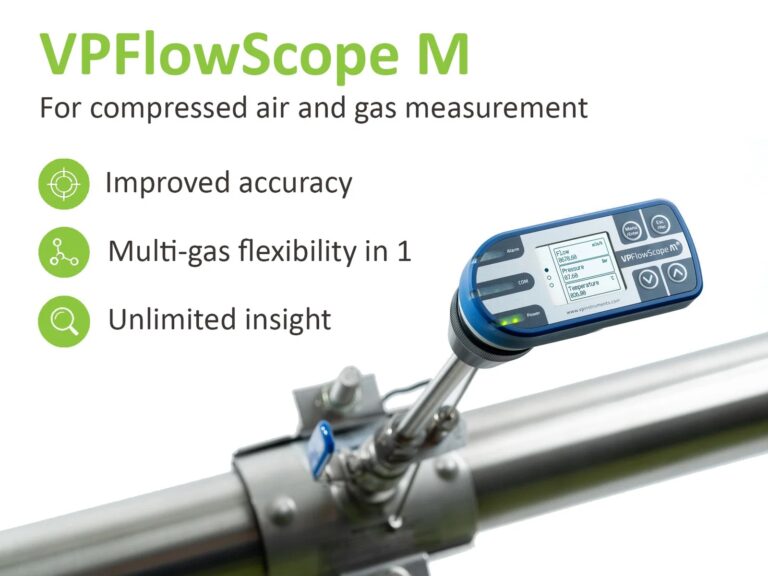
Ultrasonic and orifice meters carry custody transfer on sales gas, Coriolis meters measure NGL and liquids by mass, and thermal mass meters handle flare and fuel gas. Custody measurement is proved and certified because the reading is the invoice. More in Flow Control and Measurement.

How is level controlled in gas plants?

Guided wave radar and differential pressure transmitters control separators, contactors, reboilers and knockout drums, often with an interface between glycol or amine and hydrocarbon. Losing level control on a contactor sends liquid straight into the downstream equipment. More in Level Control and Measurement.

Which valves are used in gas processing?

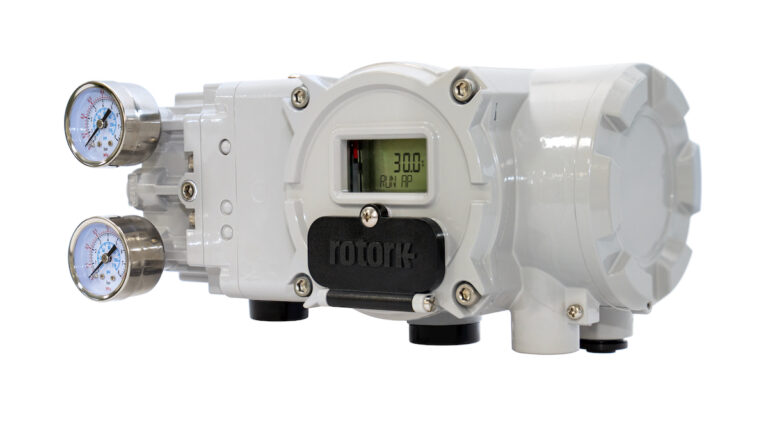
Control valves manage pressure across contactors and expanders, Joule Thomson valves drop pressure for cooling, and emergency shutdown and blowdown valves carry the safety case. Noise, vibration and low temperature embrittlement are the practical constraints. More in Process and Control Valves.

How is gas dried and cleaned?

Glycol contactors, molecular sieve beds, coalescing filters and separators remove water, heavy hydrocarbons and particles before the gas meets a cryogenic section. A trace of water at minus 100 degrees means a hydrate blockage, so the filtration and drying train is what keeps the plant online. More in Fluid Filtration Systems.

How is gas quality measured?

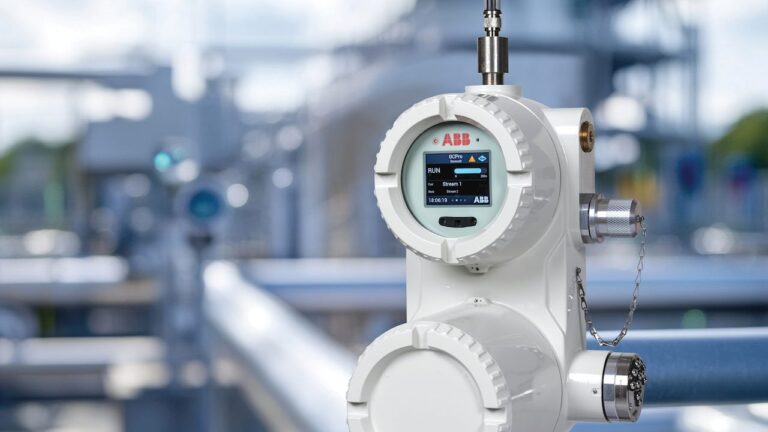
Process gas chromatographs give the composition and the calorific value, and moisture, hydrogen sulphide and CO2 analysers confirm that the gas meets pipeline specification. Methane emission monitoring has become part of the same measurement question. More in Process Gas and Liquid Analytical Systems.

How do I find suppliers active in this market?

Use the Manufacturers Directory A-Z, or open a supplier profile from the field experts listed on this page. Partner profiles carry direct contact details; other listings link to the company website.

Can I ask a technical question before I buy?

Yes. Ask the Expert puts your question to a field expert active in Gas Processing. The answer comes back to you by e-mail; when we publish it, other readers benefit too.

Want to be the expert readers ask?

Field experts get a byline, a company profile and direct questions from readers. Partner packages add product visibility and a place in the Weekly E-Update.

Become an expert