






Rapid Sterilisation for Plant-Based Milk Alternatives
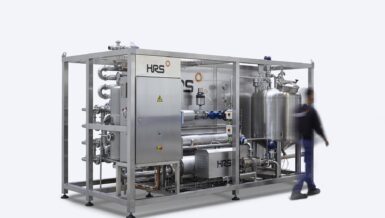
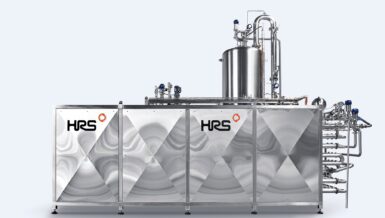
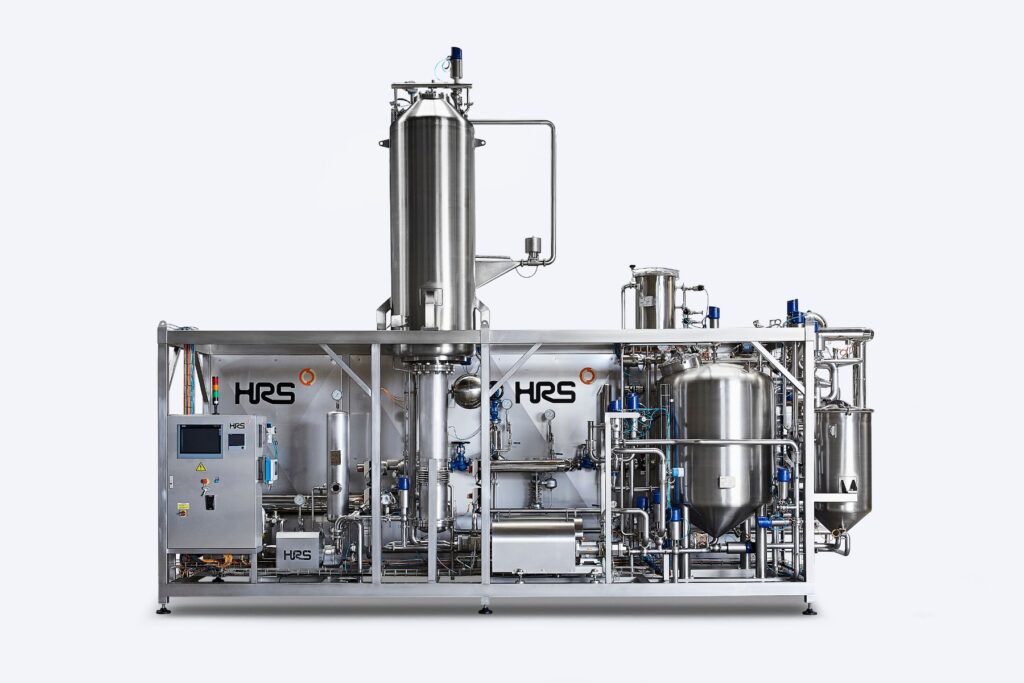
The HRS DSI (Direct Steam Injection) Steriliser has been specifically designed for the rapid sterilisation of PBMAs to improve product quality when compared to traditional heat exchanger-based systems. The HRS DSI Steriliser produces sterilisation temperatures between 100 °C and 145 °C in around 0.1 second using food-grade steam. For products such as PBMAs, this rapid heating prevents cooking of the product and formation of caramel-type compounds which can darken the product or produce unwanted flavours.
Some products, such as oat milk, also benefit from the additional dilution with water which the steam injection provides. In cases where this added water needs to be removed from the end product, this can be achieved using flash evaporation to remove excess steam and help cool the product. This technique can lead to the loss of volatile aromatic compounds in certain products, so it is important to discuss whether direct steam injection is suitable for your product.
The HRS DSI Steriliser
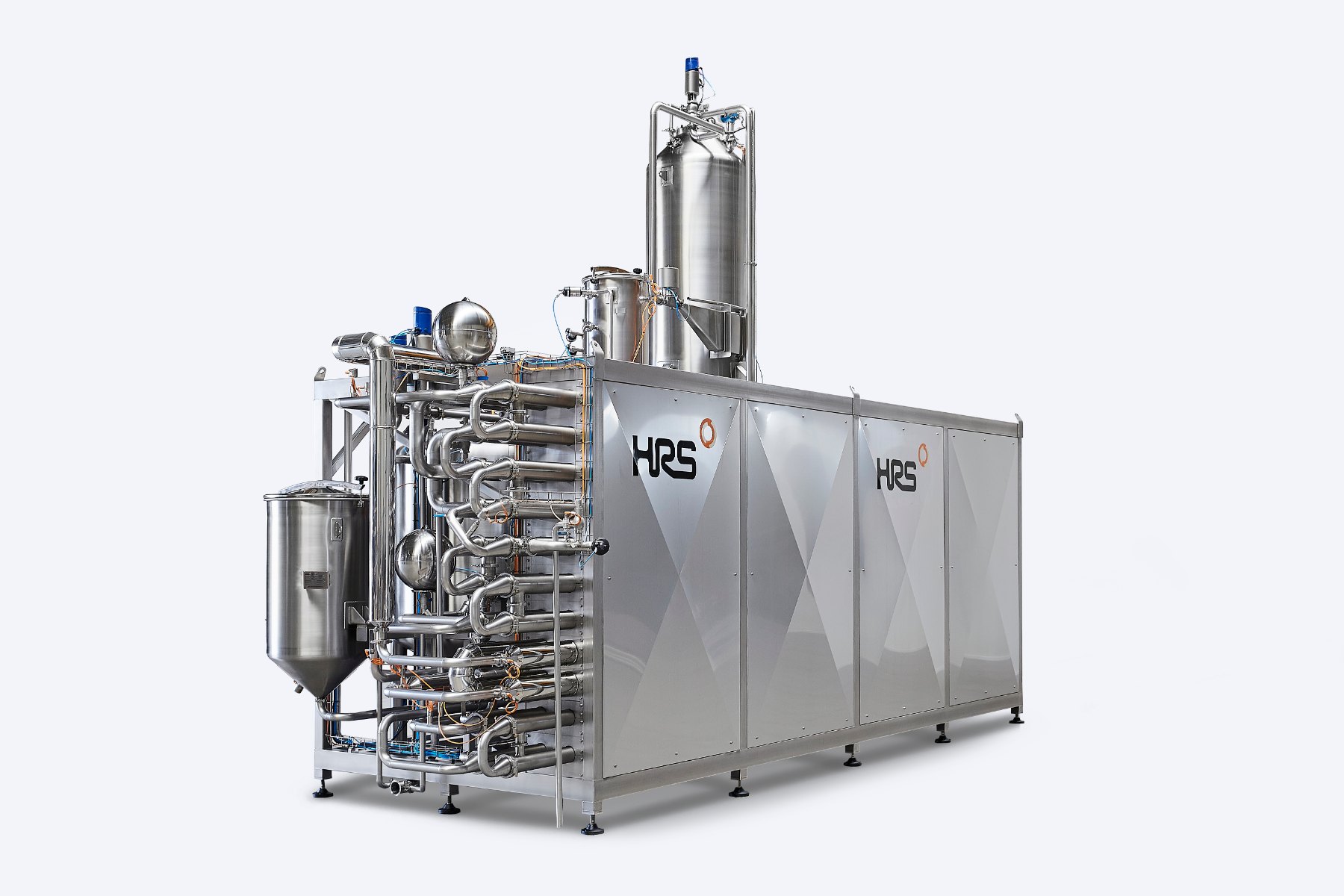
While not all products are suitable for steam injection, for those that benefit from direct steam injection, the super-fast heating and cooling greatly reduces the risk of discoloration, caramelisation, and off tastes. As well as PBMAs, the HRS DSI system is suitable for creams, heat-sensitive low-acid products, and low viscosity products containing small particles (such as sauces and starch products).
Another advantage of using steam injection rather than traditional heat exchanger technology is that it avoids issues with fouling of the heat exchanger, which can be a problem with the viscous nature of some plant-based drink products.
With a capacity of up to 30,000 l/h, the HRS DSI system includes double balance tanks, a water tank, and a dual-purpose CIP tank for batch cleaning and as a second water tank which is used when water to product changeover is performed.
The HRS DSI can be supplied as a stand-alone unit, or as part of a complete UHT (ultra-heat treatment) system including pre-heating and final product cooling. In a typical complete UHT installation, a pre-heating phase, for example using an HRS MI Series heat exchanger, will heat the product to 80 °C, before steam injection immediately increases the product temperature to 140 °C. A flash cooler is then used to return the product to 80 °C within a few seconds, so the heat has time to pasteurise the product, but other heat effects, such as caramelisation, do not have time to occur. After this initial cooling, another heat exchanger will reduce the temperature of the product to around 4 °C.
HRS DSI units have been installed in food production facilities around the world and have proven their reliability and efficiency with a range of raw materials such as oats, soybeans, coconut, and hazelnut.