








- Clean Label DemandIncreased scrutiny of UPFs is boosting demand for ‘clean label’ products – those produced using only natural ingredients and with minimal processing.
- Thermal ProcessesPasteurisation, sterilisation and dehydration are equally recognised as being effective at extending shelf and reducing the microbial burden of food and drink products.
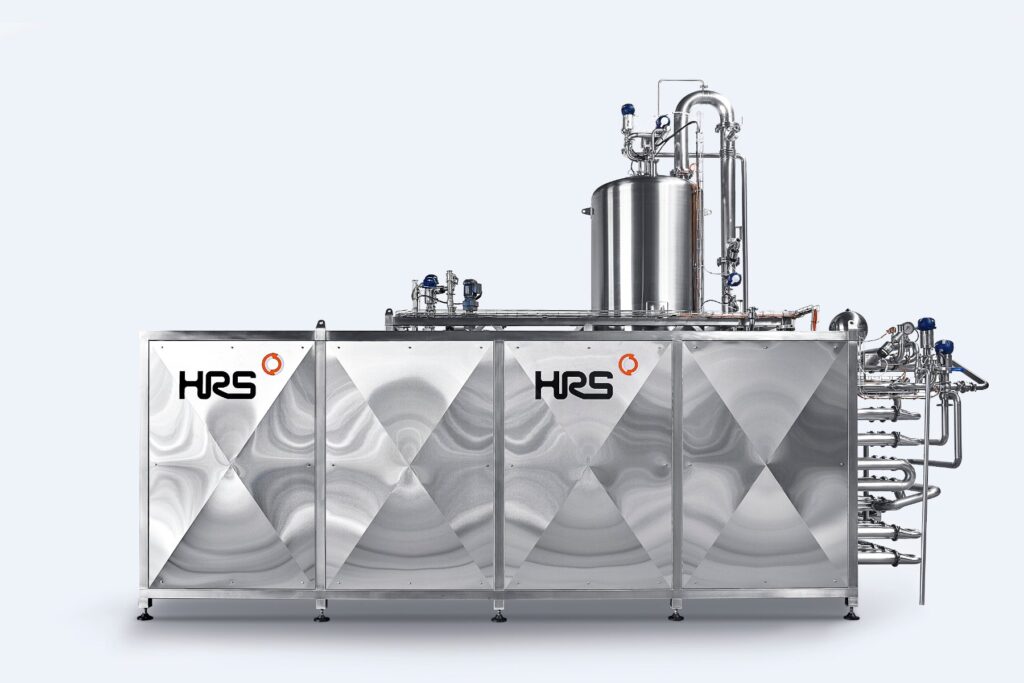
- Heat ExchangersCorrugated tube and scraped surface heaters provide a reliable, affordable and scalable solution which is suitable for a wide range of products.
What Are Ultra-Processed Foods?

Ultra-processed foods (UPFs) are defined as industrially formulated products which undergo extensive processing involving additives such as flavour enhancers, emulsifiers, stabilisers, and artificial pigments1. The global consumption of UPFs has accelerated since the COVID-19 pandemic, but as consumption has risen, so have concerns over possible long-term health effects linked to obesity, cardiovascular disease, type 2 diabetes, cancers and more.
UPFs have become popular due to their convenience and taste – often being high in salt, sugar, fat or even caffeine. Unlike traditional ‘junk foods’ such as soft drinks, crisps and sweets, many UPFs are perceived to be ‘healthy’ choices, such as cereal bars, low fat yoghurts, meat replacement products, soups and smoothies. A number of studies have warned that the overconsumption of UPFs could lead to food addiction1.
In order to help compare the processing levels of different foods, the NOVA classification was developed, which ranges from Type I (unprocessed or minimally processed food and drink such as fresh fruits and vegetables, meat, fresh juices and grains) to Type IV (food and drinks produced by complex industrial processing, such as soft drinks, dehydrated potato snacks, processed meat or vegetable burgers, etc.). However, the NOVA classification produces some unexpected results, and there is no single, universally agreed definition for UPFs.
Health Concerns Around UPFs
A study from the European Institute of Innovation and Technology (EIT) Food Consumer Observatory revealed that consumers across Europe are concerned about the impact of ultra-processed foods on their health.2 The survey of 10,000 consumers from 17 countries, found that 65% of European consumers believe that ultra-processed foods are unhealthy, and 40% do not trust that the regulation around ultra-processed foods is sufficient to ensure they are safe and healthy in the long term. However, despite the concerns, only half of those surveyed (56%) reported that they try to avoid buying processed foods.
Increased scrutiny of UPFs has also led to a greater awareness of the way food additives are used in a wider context, and is boosting demand for ‘clean label’ products – those produced using only natural ingredients and with minimal processing.
The Use of Additives
Food additives are ingredients added during manufacturing to preserve freshness, enhance flavour, improve texture, boost nutritional value, extend shelf life or improve product safety. Additives are usually defined as a substance that is not normally consumed as a food on its own but is intentionally added to food during production, processing, packaging, or storage for a specific technological purpose. From sodium benzoate in soft drinks to the lecithin in chocolate bars, food additives are an integral part of modern food processing.
As you would expect, the use of food additives is controlled by organisations such as the European Food Standards Agency (FSA) and the US Food and Drug Administration (FDA). Additives may be derived from natural sources (plants, animals or even minerals), or chemically synthesised. Although there are some concerns about the use of food additives, several thousand different additives are approved for use around the world. Each additive is designed to perform a specific function, from allowing the emulsification of salad dressings, making ice cream scoopable, or preventing the spoilage of bread, dairy and meat products.
Thermal Processing or Food Additives?

Two key benefits of processed foods are their extended shelf life and microbial safety, which prevent potentially serious food poisoning and allow efficient and effective distribution. Additives are integral to the longevity of food products, and by prolonging shelf life, they also play a significant role in reducing food waste.
However, thermal processes such as pasteurisation, sterilisation and dehydration are equally recognised as being effective at extending shelf and reducing the microbial burden of food and drink products. In terms of pasteurisation in particular, specific combinations of time and temperature are used for different products. This approach makes it possible to minimise the amount of heat delivered to the product, thereby improving product quality, retaining nutrients, increasing productivity and reducing energy use (and costs).
The Role of Heat Exchangers
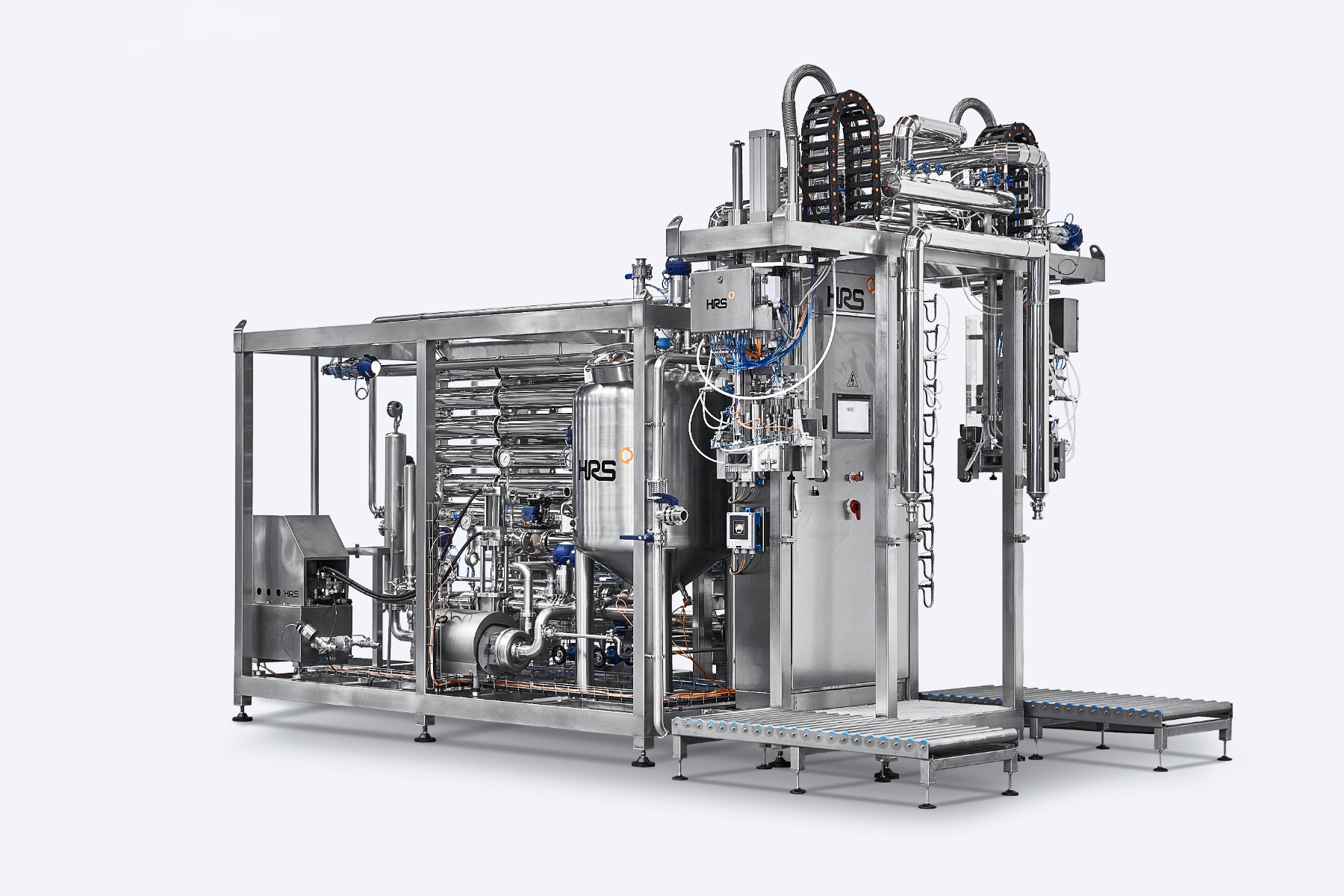
Thermal pasteurisation has been shown to be highly effective, killing 99.9% of pathogenic bacteria, yeasts and moulds, and deactivating enzymes which can spoil food and drink products. Maximising the efficiency of the heat transfer is crucial, and so corrugated tube and scraped surface heaters provide a reliable, affordable and scalable solution which is suitable for a wide range of products.
Every HRS heat exchanger and system is designed to meet the exact needs of the client, their product, and their production process. This ensures that not only are processes such as pasteurisation and sterilisation carried out safely and consistently while maintaining the quality of the product, but energy efficiency is maximised while product losses and downtime are minimised.
We offer a variety of thermal treatment options (including corrugated tube and scraped surface heat exchangers, ohmic heating and direct steam injection), as well as experience of numerous products and access to comprehensive laboratory testing facilities, making us perfectly placed to help food and drink manufacturers choose the best pasteurisation or sterilisation options for their specific needs – and helping them avoid the use of additives.
- Lili Zhang et al. (2027), The rapid rise of ultra-processed foods brings up human health concerns, Journal of Future Foods at sciencedirect.com
- eitfood.eu/news/consumers-fear-health-risks-of-ultra-processed-foods