







Food texture is one of the dominant factors affecting food choice and palatability. Consumers develop strong expectations about how specific foods should feel, and texture (both perceived and actual) is a key driver of initial and repeat purchasing decisions.
Texture: the Backbone of Many Product Formulations

In fact, some food scientists call texture “the backbone of many product formulations” and its importance begins even before the first bite or sip of a product. The perception of texture goes through several steps, starting with the visual appearance of the food product, and then continues with touch, the first bite, chewing, and swallowing. Texture enhances the sensory experience of food and is a major feature in food and beverage innovation, to some extent actually determining how people consume food products.
The Importance of Texture
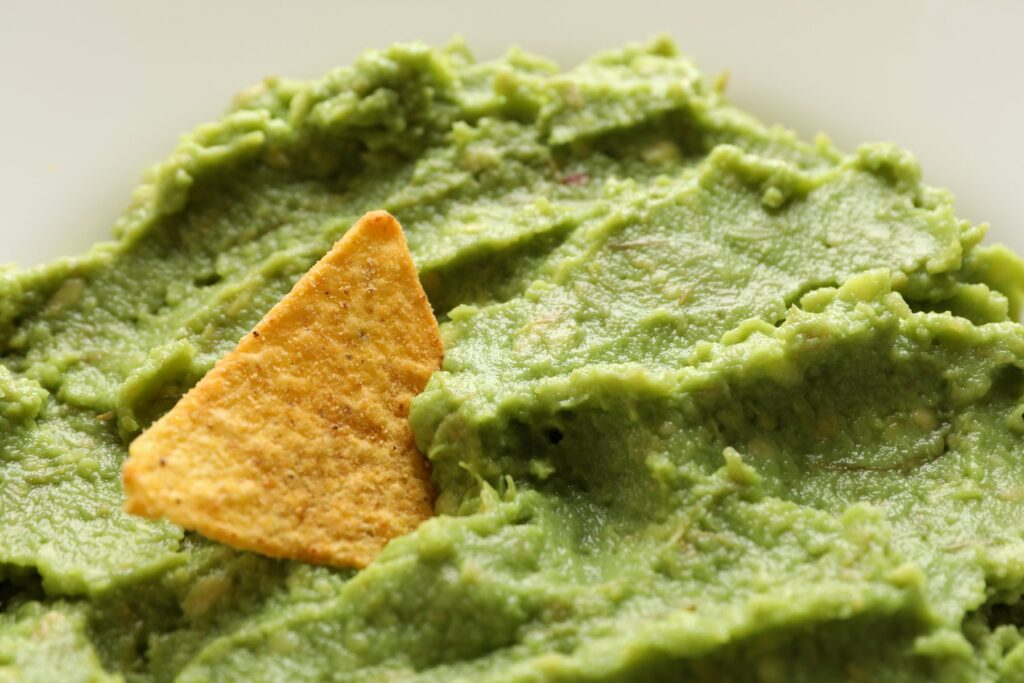
Texture has become increasingly important with the rise of plant-based and ‘clean label’ foods, where producing a texture which resembles something else is vital to a product’s success. From making sure that guacamole isn’t too smooth, or that custards and sauces aren’t lumpy, food scientists and chefs have access to more ingredients than ever before to allow them to create exactly the right appearance and mouthfeel.
In fact, food texture is one of the dominant factors affecting food choice and palatability. Consumers develop strong expectations about how specific foods should feel, and texture (both perceived and actual) is a key driver of initial and repeat purchasing decisions.
Texture comes from the interaction of different ingredients, and must therefore be considered early in the formulation or recipe creation. Functional ingredients such as hydrocolloids, starches, aquafaba and other texturisers are widely used in product formulation, but as consumer demand for clean label products increases, many are returning to simple starches derived from carbohydrate-rich crops such as wheat, corn and tapioca, as well as new sources of fibre such as citrus.
How Processing Affects Food Texture

Having gone to so much effort to achieve the required texture throughout the formulation of their food and drink products, manufacturers need to consider how texture will be affected by manufacture and processing. Frozen and chilled products in particular can present a challenge as multiple freeze-thaw cycles can change a product’s texture, as can exposure to temperature and pressure during manufacturing, processing and packing.
In fact, different food processing techniques can preserve, enhance or damage textural quality, depending on how they are applied. Even a single product type, such as yoghurt, may have many textural styles and variations – smooth, creamy, grainy, etc. – and even slight changes in processing, such as the speed of stirring or the fermentation temperature, can significantly alter the final texture.
Mechanical processes, such as grinding and mincing; cutting and chopping; and extrusion clearly have a major effect on texture, but so too do chemical processes (such as marination and pickling) and thermal processes such as cooking.
The most common thermal processes which can affect the texture of food and drink products include:
- Heat TreatmentCooking, pasteurisation and sterilisation are among the most common processes which affect texture. Proper cooking makes foods more digestible and tender, but overcooking can result in mushy, dry or chewy textures. When carried out correctly, pasteurisation and sterilisation should not affect product texture, but the use of the wrong temperature or time regime can create similar issues to overcooking.
- FreezingWhen carried out correctly (including blanching), freezing preserves the textural quality of many foods. However, slow freezing can result in the build-up of large ice crystals which, when thawed, release excess water creating soft, mushy textures.
- Drying and DehydrationRemoving moisture fundamentally changes food texture; the rate and extent of moisture removal is crucial in achieving the desired texture.
- Other TechniquesWhile processing technologies such as high-pressure processing (HPP) may preserve some textures, they may also have unintended effects on certain types of products.
Choosing Heat Exchangers to Manage Texture

In many cases, post-formulation processing, such as pasteurisation, will seek to preserve or maintain the texture of the product, for example through gentle handling. However, there may be some situations where robust handling is required, for example to ensure products remain mixed or in suspension, or that viscosity is maintained without having a detrimental impact on process efficiency – such as reducing thermal efficiency through fouling of the equipment. Whether heating or cooling (or both, as is the case with pasteurisation and sterilisation), the considerations around product texture remain the same.
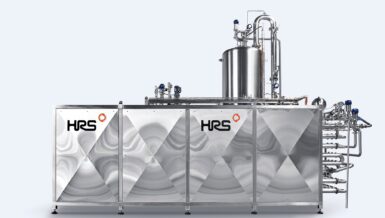
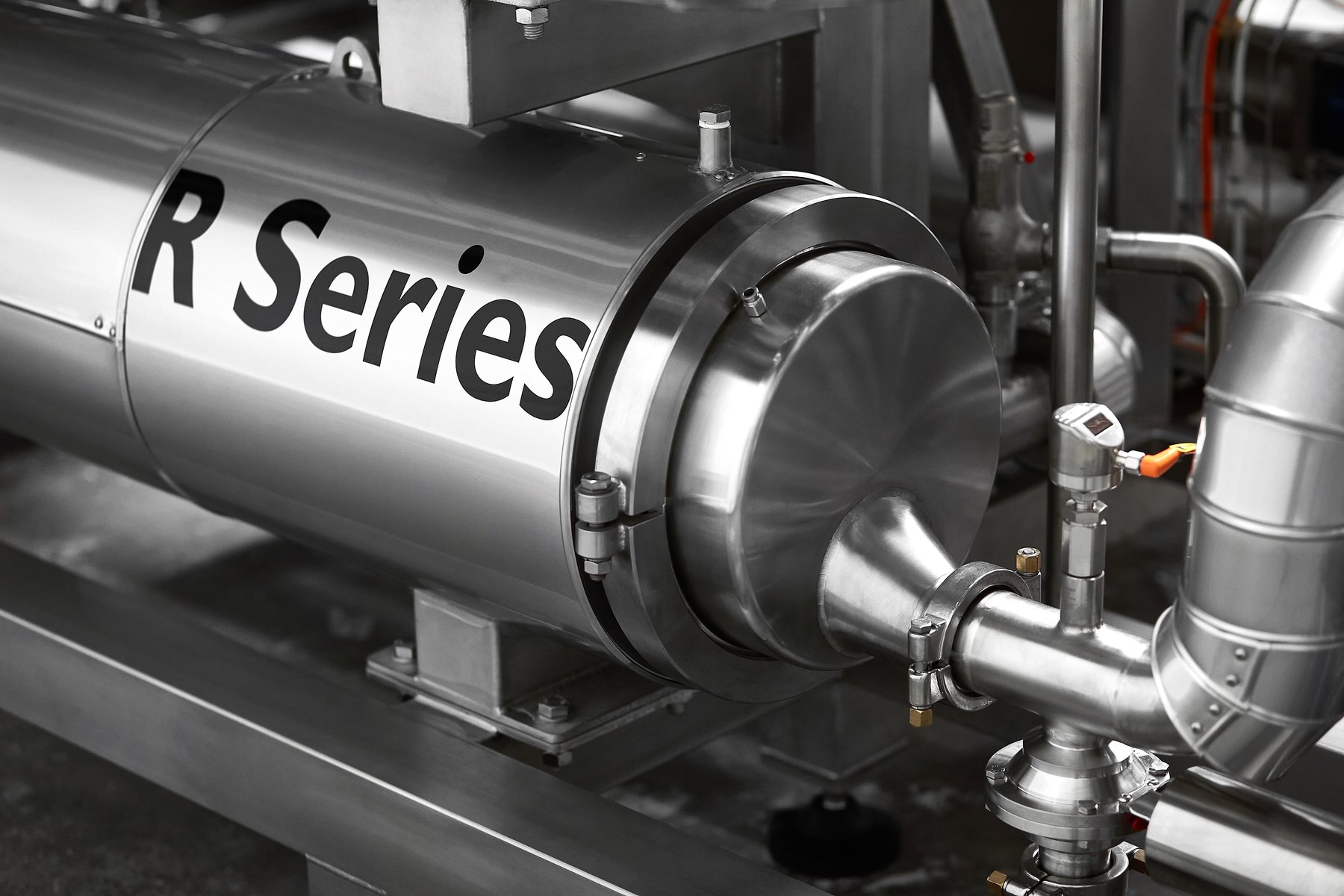
HRS Heat Exchangers produces a range of tubular heat exchangers, from simple multi-tube designs through to scraped surface designs, all of which are designed specifically to maintain product texture. For the simplest fluids, such as milk, smoothies and juices, multi-tube designs such as the HRS MI Series are ideal, but as products become more viscous in nature (such as honey, soups and creams), tube-in-tube or annular space designs such as the HRS DTA Series or HRS AS Series will be required. For the most viscous materials with high fouling potential, a scraped surface heat exchanger such as the rotating HRS R Series or reciprocal HRS Unicus Series is required.
For food products containing particles or pieces, such as compotes or diced fruit, one option may be the HRS DTA Series where the inner tube provides more room for the product to flow without damage. If the product contains small particles but is also viscous, then the HRS AS Series is a better solution and less susceptible to fouling, but other factors such as particle size also need to be considered.
Solutions to Texture-Related Challenges in Food and Drink
It is also worth remembering that while most of the focus on texture will understandably be on the product, the texture of coproducts and waste streams may also need attention if the potential value of these is to be maximised.
Over the years, HRS has devised numerous solutions to texture-related challenges in the food and drink industry, such as pizza sauce with shears, mechanically deboned meat (MDM) which needs to be homogenised, chocolate which needs to be properly tempered, and dairy products which need to have the perfect levels of clotting and viscosity. To learn how our experts can help with your textural requirements, please contact us today.