MyNETZSCH: NETZSCH Pumps & Systems’ Digital Customer Portal
Order spare parts, access machine information, view documents: All on a single platform, available round the clock. MyNETZSCH is the digital customer portal from NETZSCH Pumps & Systems.




Market
Wastewater treatment is fluid handling at its most demanding: abrasive, corrosive and full of solids. Pumps, valves, screens, blowers, level sensors and flow meters move influent, sludge and return streams through screening, aeration and dewatering, while operators push for lower energy use, less clogging and more recovery of water, nutrients and biogas.
Latest in this market
Order spare parts, access machine information, view documents: All on a single platform, available round the clock. MyNETZSCH is the digital customer portal from NETZSCH Pumps & Systems.
Promoted videos
What this market covers
14 topics explained in the questions at the bottom of this page. Read them
Ask the Expert
Engineers and product specialists who answer technical questions from readers. The answer comes back to you by e-mail; when we publish it, other readers benefit too.
 Trevor ForsterTitan Enterprises Ltd
Trevor Forster is Managing Director of the internationally respected flowmeter company - Titan Enterprises Ltd. His experience in fluid handling dates back… Ask a question
Trevor ForsterTitan Enterprises Ltd
Trevor Forster is Managing Director of the internationally respected flowmeter company - Titan Enterprises Ltd. His experience in fluid handling dates back… Ask a question
 Nikolas OppenbergerUWT GmbH
As product manager at UWT Nikolas specializes in solving demanding applications, consulting, training and troubleshooting. He also studied industrial engineering, technical product… Ask a question
Nikolas OppenbergerUWT GmbH
As product manager at UWT Nikolas specializes in solving demanding applications, consulting, training and troubleshooting. He also studied industrial engineering, technical product… Ask a question
 Joshua BrownIndustrial Tomography Systems (ITS/ITOMS)
Josh is a Technical Engineer and is an integral member of Industrial Tomography Systems’ talented engineering team. Josh is responsible for creating… Ask a question
Joshua BrownIndustrial Tomography Systems (ITS/ITOMS)
Josh is a Technical Engineer and is an integral member of Industrial Tomography Systems’ talented engineering team. Josh is responsible for creating… Ask a question
 Natalie WaldeckerVEGA Grieshaber KG
Natalie Waldecker, Portfolio Manager Food and Pharma, knows the challenges of the demanding industries inside out. With her broad application knowledge, she… Ask a question
Natalie WaldeckerVEGA Grieshaber KG
Natalie Waldecker, Portfolio Manager Food and Pharma, knows the challenges of the demanding industries inside out. With her broad application knowledge, she… Ask a question
Market & Technology Focus
Every Thursday edition takes one market or technology in depth. These are the editions on this market — read them online or get the next one by e-mail.
Join 43,000+ engineers, plant managers and technical buyers. Free, twice a week.
Join 43,000+ readers that receive our “web exclusive” articles, white papers, new products, and other information.
"*" indicates required fields
What this market covers
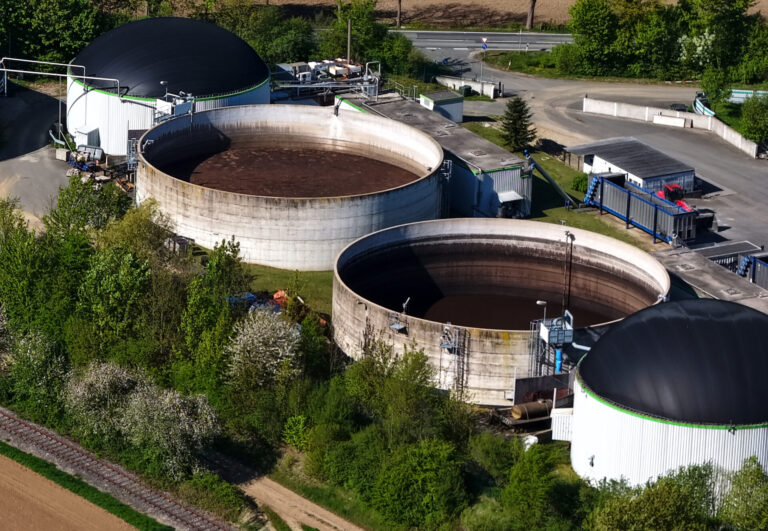
Wastewater refers to all effluent (= sewage or liquid waste that is discharged into water bodies either from direct sources or from treatment plants) from household, commercial establishments and institutions, hospitals, industries and so on. It also includes stormwater and urban runoff, agricultural, horticultural and aquaculture effluent.
Wastewater comes from domestic, industrial, commercial or agricultural activities. The composition of wastewater varies widely depending on the source.
Wastewater comes from:
Wastewater is guided down the drains and into the sewers that run under the roads. These sewers carry the wastewater to the treatment plants or sewage treatment works.
Industrial wastewater treatment is the processes used for treating wastewater that is produced by industries as an unwanted by-product.

After treatment, the treated industrial wastewater may be reused or released to a sanitary sewer or to surface water in the environment.
Many industries produce wastewater. Recent innovations have led to the minimization of wastewater production. A current trend is to recycle treated wastewater within production processes.
Almost all industries produce some form of wastewater. Here are some wastewater-heavy industries:
Water as a valuable resource is a challenge that the entire world is facing currently, and potable water shortage may lead to poor health and living standards for the entire world population. Wastewater management covers the aspects of design, building and operation of plants for water treatment and supply, sewerage, wastewater treatment and disposal, and solid waste treatment and disposal.
Wastewater has a lot of impact on the natural world and it is important to treat it effectively. By treating wastewater, you don't just save the creatures thriving on it, but also protect the planet as a whole.
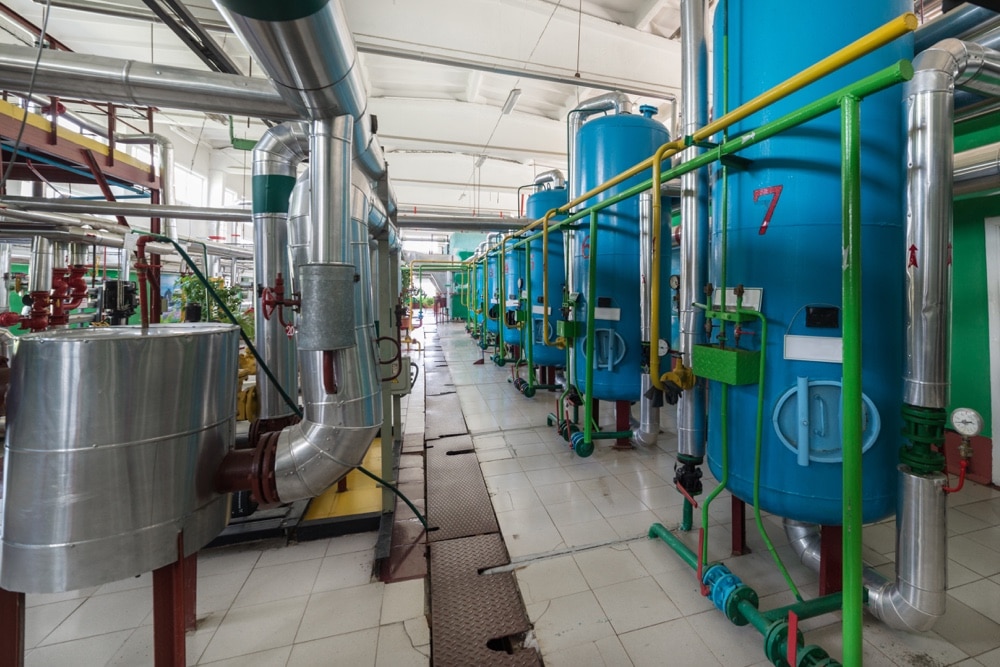
Wastewater treatment facilities produce wastes that contain many potential contaminants.
Reclaimed wastewater is usually clean enough to be used for irrigation, but usually contains higher concentrations of dissolved solids than the source water.
Also, chlorine-disinfected reclaimed water can contain significant trace amounts of disinfection by-products.
Physical waste treatment plants use chemical reactions as well as physical processes to treat wastewater. Physical wastewater treatment plants are mostly used to treat wastewater from industries, factories and manufacturing firms. This is because most of the wastewater from these industries contains chemicals and other toxins that can largely harm the environment.
Biological waste treatment plants use biological matter and bacteria to break down waste matter. Biological treatment systems are ideal for treating wastewater from households and business premises.
Preliminary treatment is the removal of coarse solids and other large materials often found in raw wastewater.
Primary treatment is the removal of settleable organic and inorganic solids by sedimentation, and the removal of materials that will float (scum) by skimming.
Secondary treatment is the further treatment of the effluent from primary treatment to remove the residual organics and suspended solids. Secondary (or biological) treatment uses microbes to consume dissolved organic matter that escapes primary treatment, converting it to carbon dioxide, water and energy for microbe growth and reproduction.
Advanced wastewater treatment is employed when specific wastewater constituents which cannot be removed by secondary treatment must be removed. To eliminate specific contaminations to meet regulatory requirements, many plants must resort to special treatment, e.g., the Fenton process to remove non-biodegradable COD.
After the primary treatment stage, the secondary treatment process and advanced treatment process, there are still some diseases causing organisms in the remaining treated wastewater. To eliminate them, the wastewater must be disinfected in tanks that contain a mixture of chlorine and sodium hypochlorite.
The sludge that is produced and collected during the primary and secondary treatment processes requires concentration and thickening to enable further processing.
Industrial sites for light, general and heavy industry build the economy and provide substantial employment opportunities. Industrial waste management practices may pose a significant risk to sensitive water resources.
Appropriate site location, provision of services, wastewater plant design and best operational management practices are needed to minimize this risk. In summary, the wastewater treatment process is one of the most important environmental conservation processes that should be encouraged worldwide.
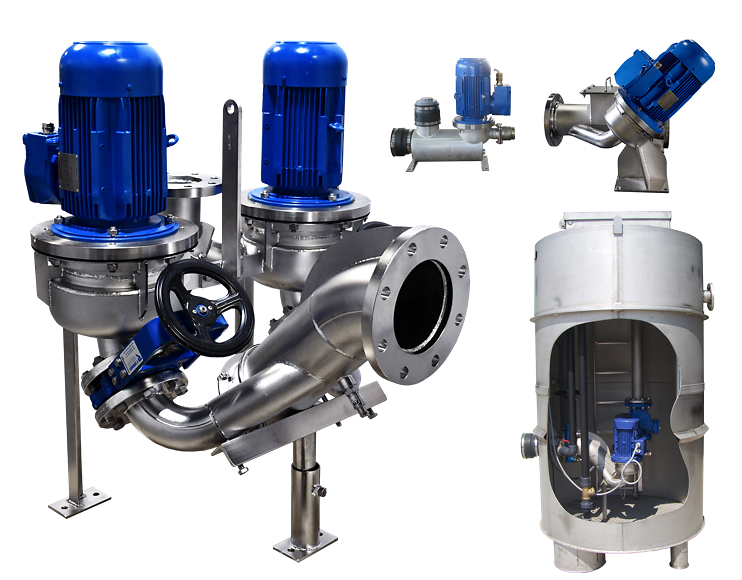
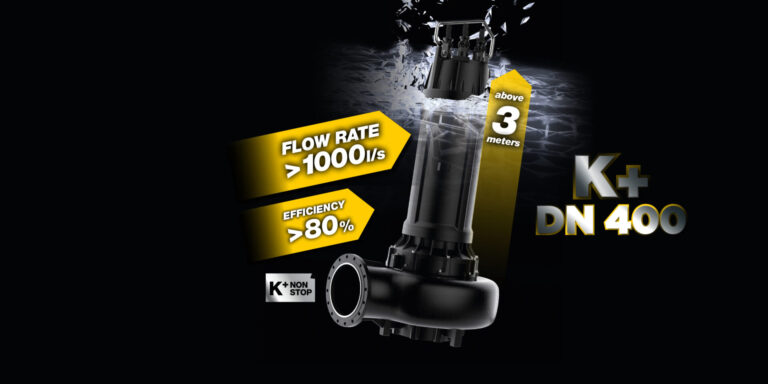
Submersible and dry installed centrifugal pumps with non clogging or chopper impellers handle influent and storm water, while progressing cavity, rotary lobe and hose pumps move thickened and dewatered sludge. Rags and wipes are the practical enemy, so clog resistance often decides the choice. More in Pumps and Pumping Systems.
Magnetic flow meters measure influent, return sludge and effluent, and open channel measurement handles the inlet works. Those figures drive the aeration control, the chemical dosing and the discharge permit reporting. More in Flow Control and Measurement.
Radar, ultrasonic and hydrostatic sensors control pumping stations, buffer tanks and sludge silos, and they warn before a storm overflow. Grease, foam and build-up on the sensor face are the main reasons a reading drifts. More in Level Control and Measurement.
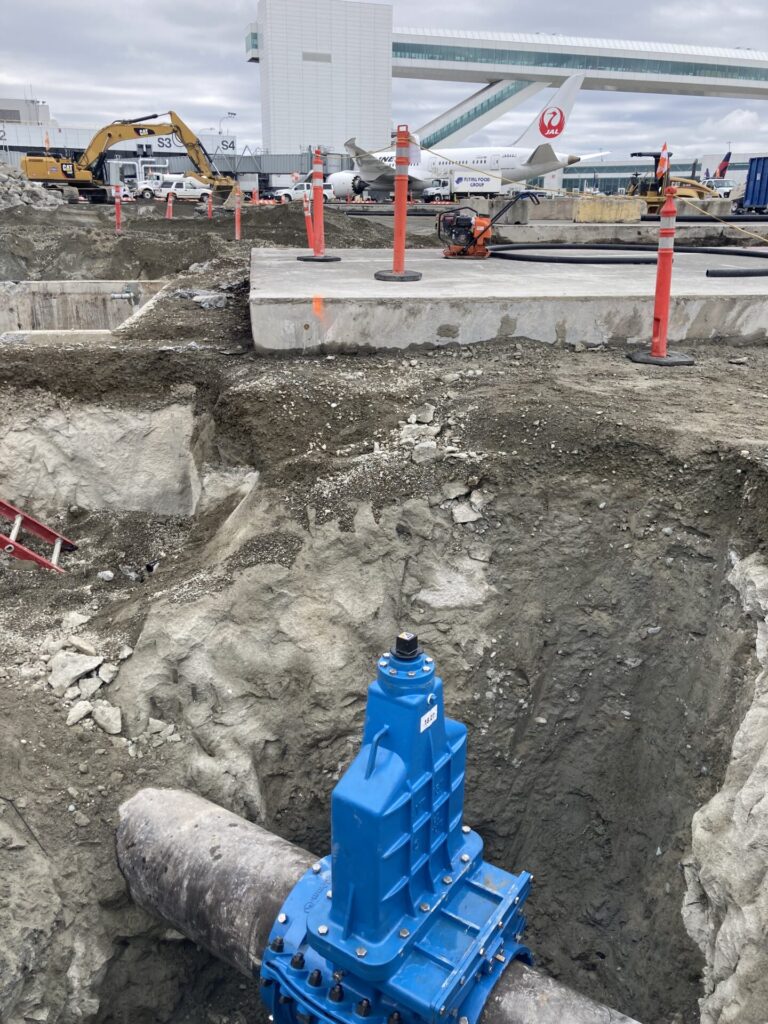
Knife gate valves cut through sludge and solids, butterfly valves isolate air and water lines, and control valves regulate aeration air, which is usually the largest energy consumer on the site. Abrasion and stringy material set the maintenance interval. More in Process and Control Valves.
Belt presses, centrifuges, screw presses and membrane bioreactors separate water from solids, which decides both the disposal cost and how much biogas a digester can produce. Polymer dosing and the feed pump work together with the machine, not next to it. More in Fluid Filtration Systems.
Online ammonium, nitrate, phosphate, dissolved oxygen and suspended solids measurement steer aeration and dosing in real time. Aeration control based on live nutrient readings is one of the largest energy savings available on a works. More in Process Gas and Liquid Analytical Systems.
Use the Manufacturers Directory A-Z, or open a supplier profile from the field experts listed on this page. Partner profiles carry direct contact details; other listings link to the company website.
Yes. Ask the Expert puts your question to a field expert active in Wastewater Processing. The answer comes back to you by e-mail; when we publish it, other readers benefit too.