





At HRS Heat Exchangers, 70% of our business comes from existing and returning clients; from orders for single heat exchangers for incorporation into existing lines, to major bespoke projects to facilitate significant expansion or business development. HRS has worked with some of our current clients for almost 30 years, a significant achievement in such a competitive sector. Here, we examine the six keystones of customer satisfaction that keep clients coming back time after time…
1. Product quality
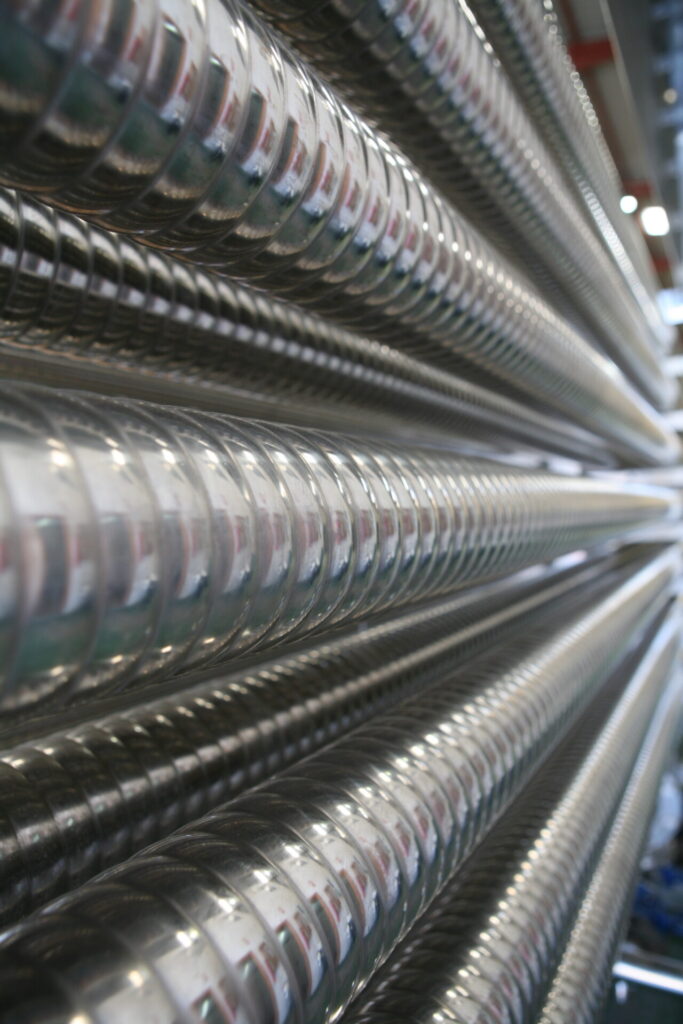
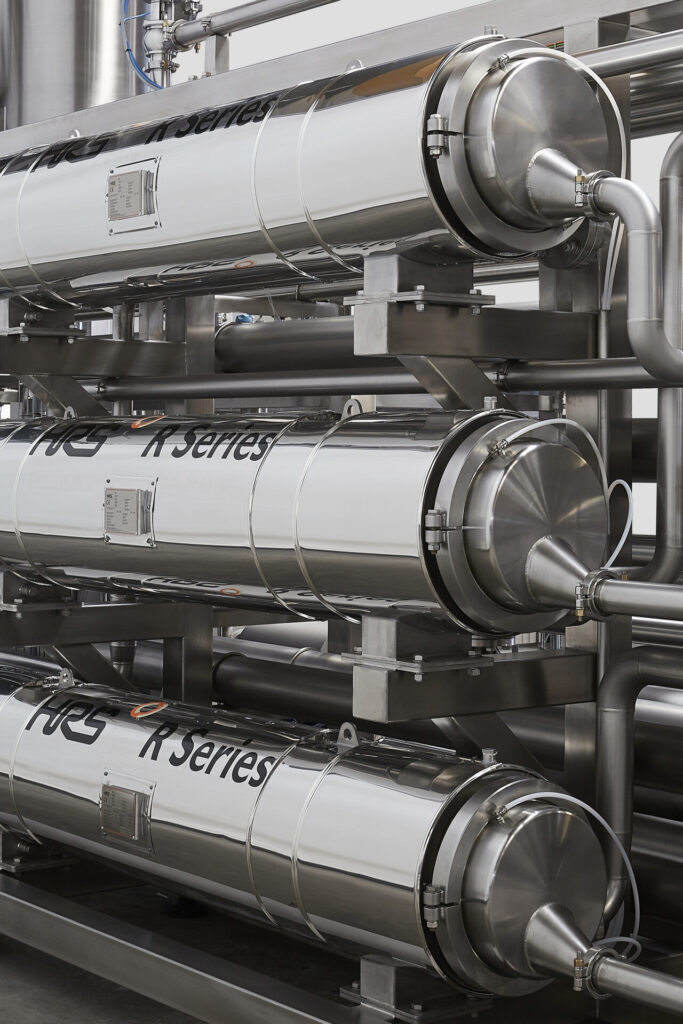
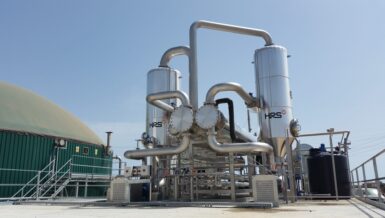
The product is everything, and the use of corrugated technology in our tubular heat exchangers provides a number of benefits and advantages over smooth tube designs. Corrugated tubes are more efficient at transferring heat as they create a turbulent flow. This helps to prevent viscous or suspended materials sticking to the tube wall (known as fouling), which then creates an insulating layer – reducing the efficiency of heat transfer between the service fluid and the product.
This also means that because the operational heat transfer is greater than for an equivalent smooth tube (in practice, the thermal efficiency can be up to three-times greater), corrugated tube heat exchangers can be smaller, requiring less space for installation. Also, because fouling is reduced, cleaning and maintenance requirements are usually much lower.
2. Sector expertise
At HRS Heat Exchangers we pride ourselves on taking on heat transfer challenges outside of the comfort zone. We consistently deliver highly efficient and reliable equipment for the most difficult food and beverage applications, providing excellent standards of heat transfer, for example for heating, cooling pasteurisation or evaporation.
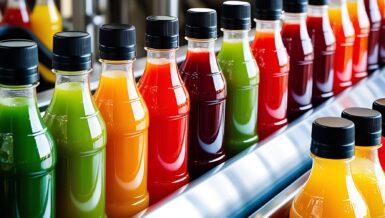
This includes products where heat exchange is difficult due to the physical properties (such as viscous syrups or frozen orange juice), as well as items where the physical nature must be preserved as a key quality parameter, despite the need for intensive thermal treatment (such as pasteurisation).
We have provided heat exchangers and systems to handle products including curd cream (where the heat exchanger is part of curdling process), pizza sauce (which can shear if not handled carefully), fruit mixtures containing pieces (where the pieces must not be damaged during processing), smoothies, purees, gazpacho and many others.
This is in part thanks to our long working relationship with Spain’s National Technological Centre for the Food and Canning Industry (CTNC), which allows us and our clients to test how their products will perform with different heat exchangers (as well as microwave heating), so we can choose the best heat exchanger option for every product and situation.
3. Bespoke solutions
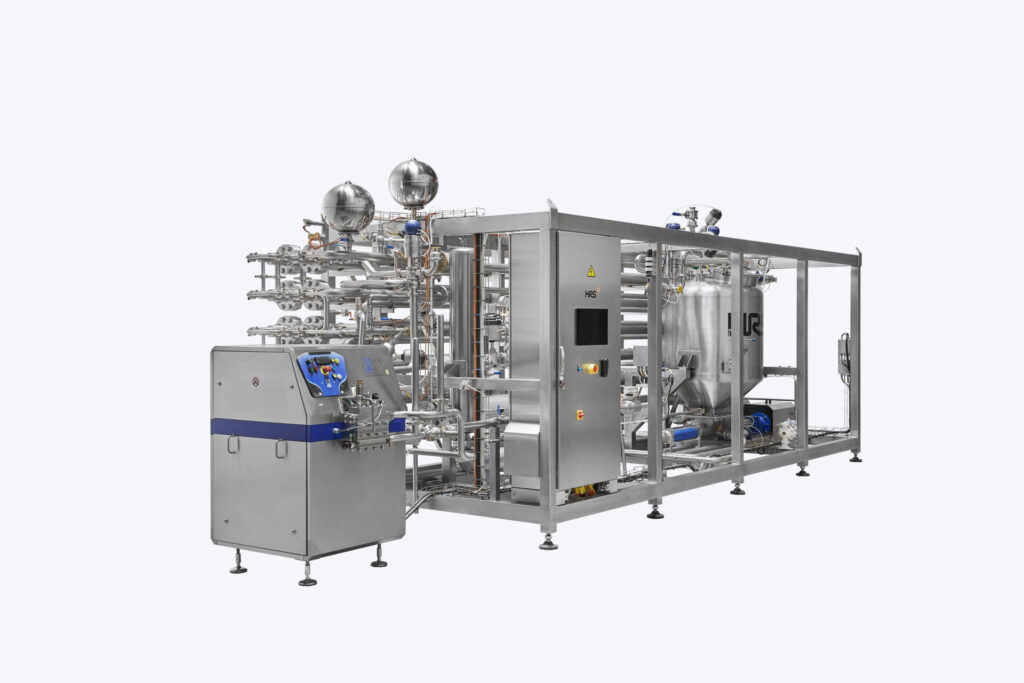
Every heat transfer system and solution we design is bespoke to the end use. If a client has a specific requirement in terms of capacity, component and control system choice or a need to locate it within a particular part of their production facility, we work to accommodate their needs. This flexibility not only brings many clients to us in the first place but also leads to longstanding customer relationships.
4. Prioritising people
Any long-term business relationship depends on people. Not only the directors, procurement and sales teams of both client and supplier, but everyone at every level of both businesses. The manufacturing and quality control staff on our workshop floor are vital to maintaining high standards and reliable operation, but we also understand the needs of our customers’ staff who will be using our equipment day-in, day-out.
Features such as ease of cleaning, clean-in-place (CIP) systems, seals, connections, controls and Human Machine Interface (HMI) solutions are all designed to be as user-friendly and intuitive as possible.
5. Constant communication
From the initial enquiry, through to final commissioning and handover, open and regular communication with the client is essential for a successful project. This includes the commercial decision makers, product developers, engineers and those who will be using the equipment. This approach helps to ensure that the designed and supplied system will perform as expected from day one.
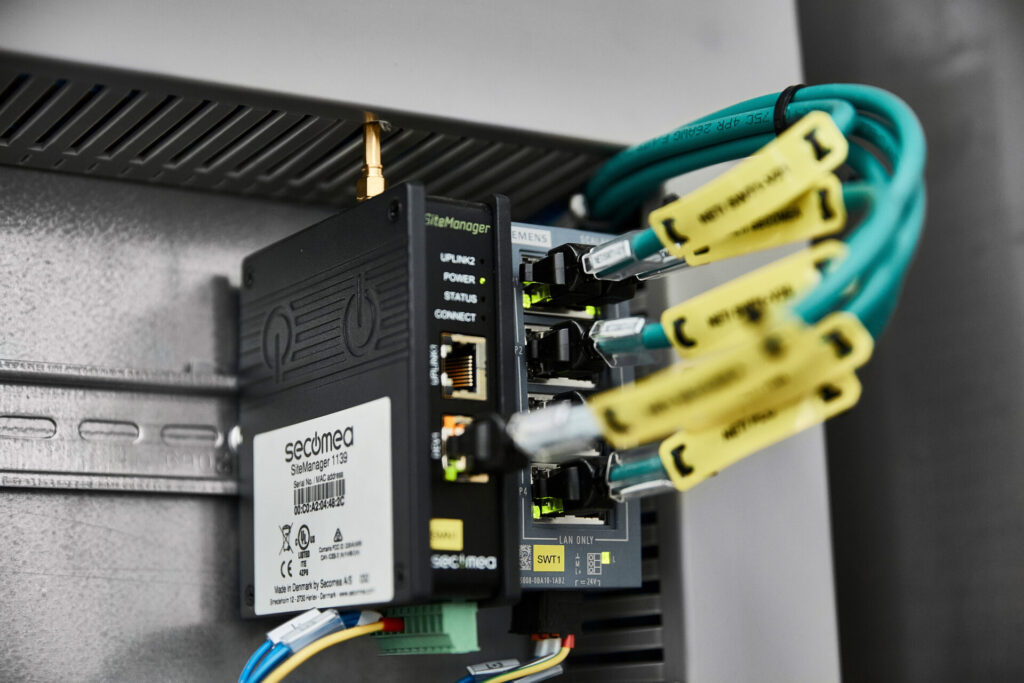
This also extends to the use of smart technology and remote connections, allowing processes such as design sign-off, Factory Acceptance Testing (FAT) and even commissioning to be managed remotely, saving time, money and carbon emissions. Of course, there are situations when an in-person visit is necessary, and our experienced team are used to working across a wide range of business environments around the world.
Some clients prefer to use their own in-house or subcontractor engineers for installation and commissioning, while others are looking for a complete turnkey process. Just as every heat exchanger or system we produce is bespoke to that situation, we apply the same approach to delivery, installation and testing – from providing advice on cleaning and maintenance, using telemetry or remote virtual inspection for ‘fault’ finding and identification, or simply discussing ways to improve the operation and efficiency of our equipment and systems.
6. Value for money
We have often stressed the need to consider the total cost of ownership (TCO) when making purchasing decisions, as the cheapest option in terms of capital expenditure may well be the most expensive in terms of operation. Our long-term clients understand that HRS equipment is designed to deliver significant savings over its lifetime, representing real value for money.