




Market

Biogas Processing

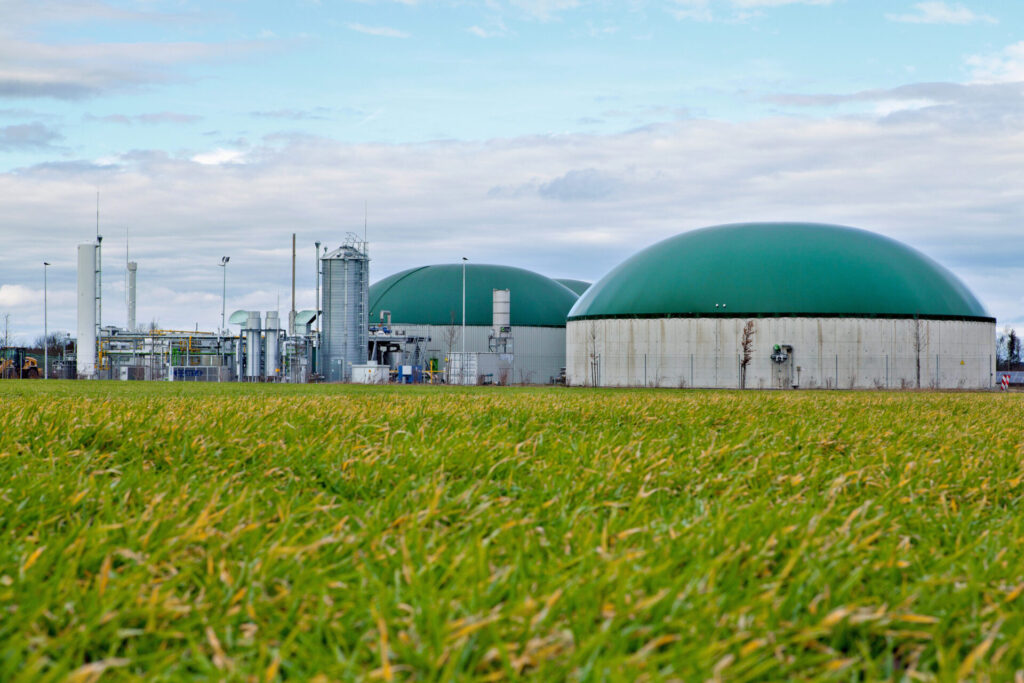
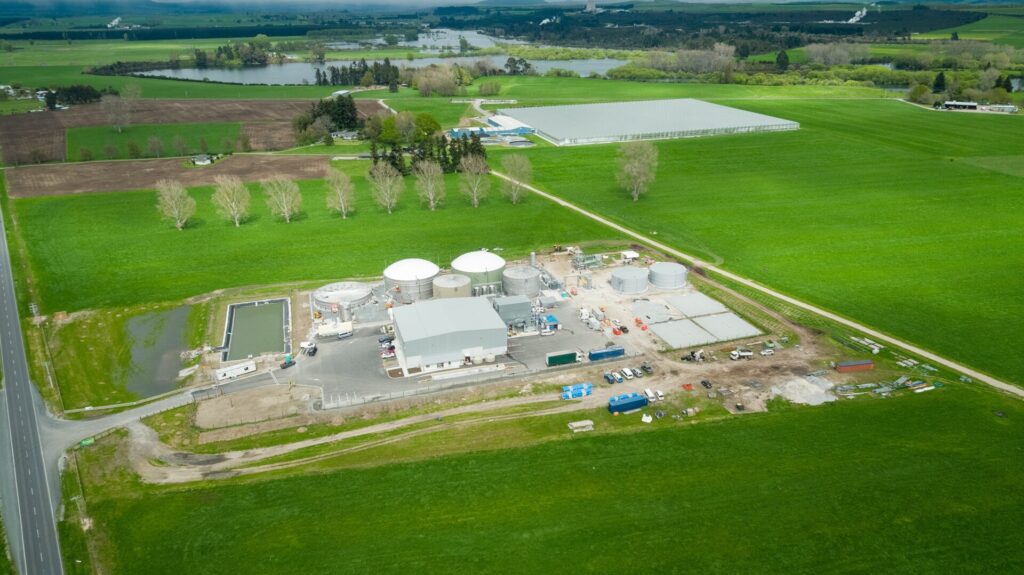
Biogas plants turn manure, sludge and organic waste into methane, and fluid handling keeps that process running. Pumps, valves, level sensors, flow meters and mixers move slurries, digestate and raw gas that are abrasive, fibrous and corrosive by nature, while digester temperature, pressure and gas quality have to stay within a narrow band day after day.

Every article below is selected for this market, alongside the experts, the videos and the newsletter editions that cover it.

Browse by market

Latest Biogas Processing news

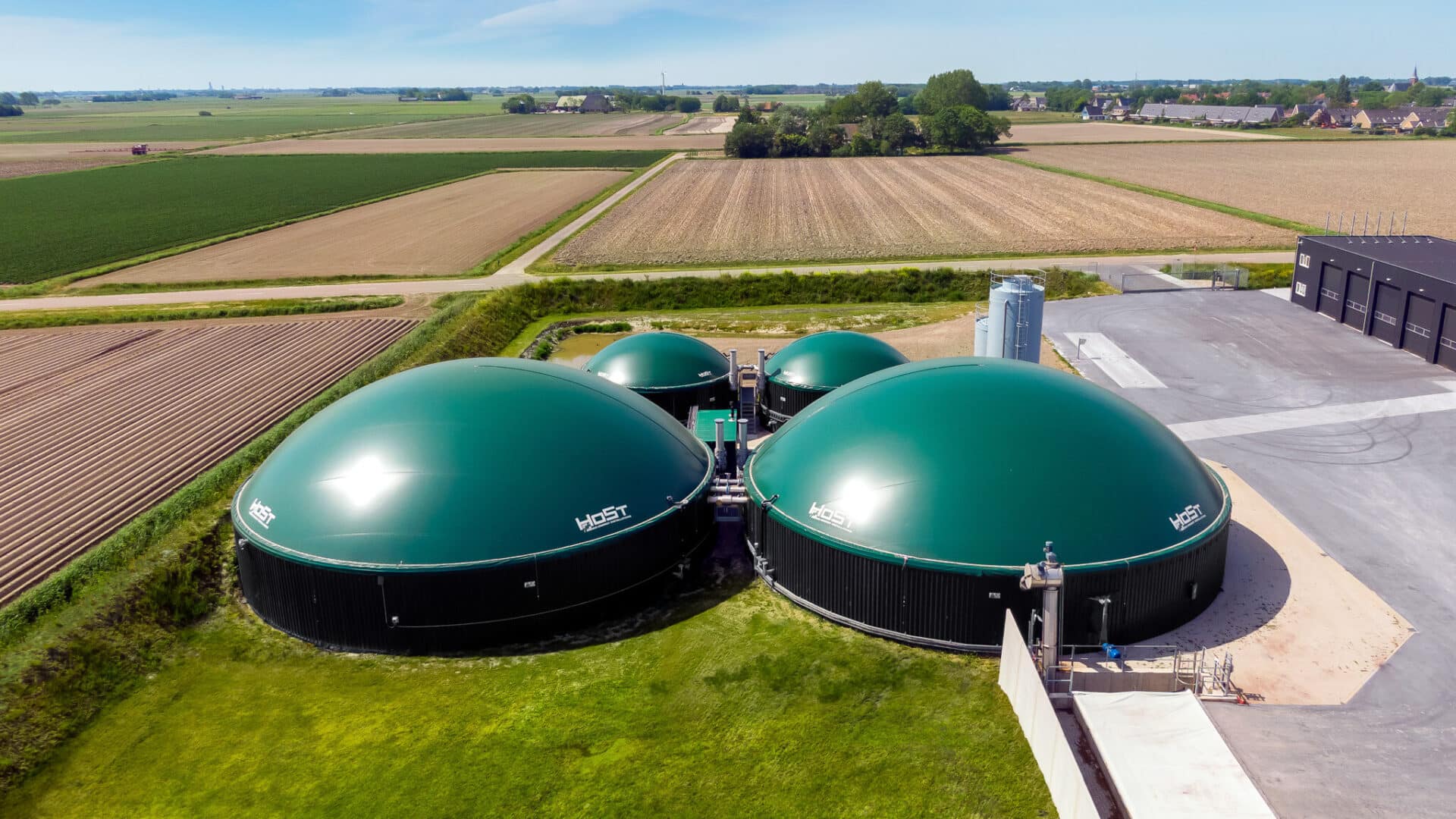
Spanish Biogas Plant gets Pasteurisation Boost

August 26, 2026
A Spanish anaerobic digestion (AD) plant has become the first in the country to utilise the Digestate Pasteurisation System (DPS)...
Read more
Quadrupling Biogas Production Requires Action at all Levels

June 16, 2026
A new report by Guidehouse for the European Biogas Association (EBA)1 reveals that by 2030 Europe (the EU-27, the UK,...
Read more
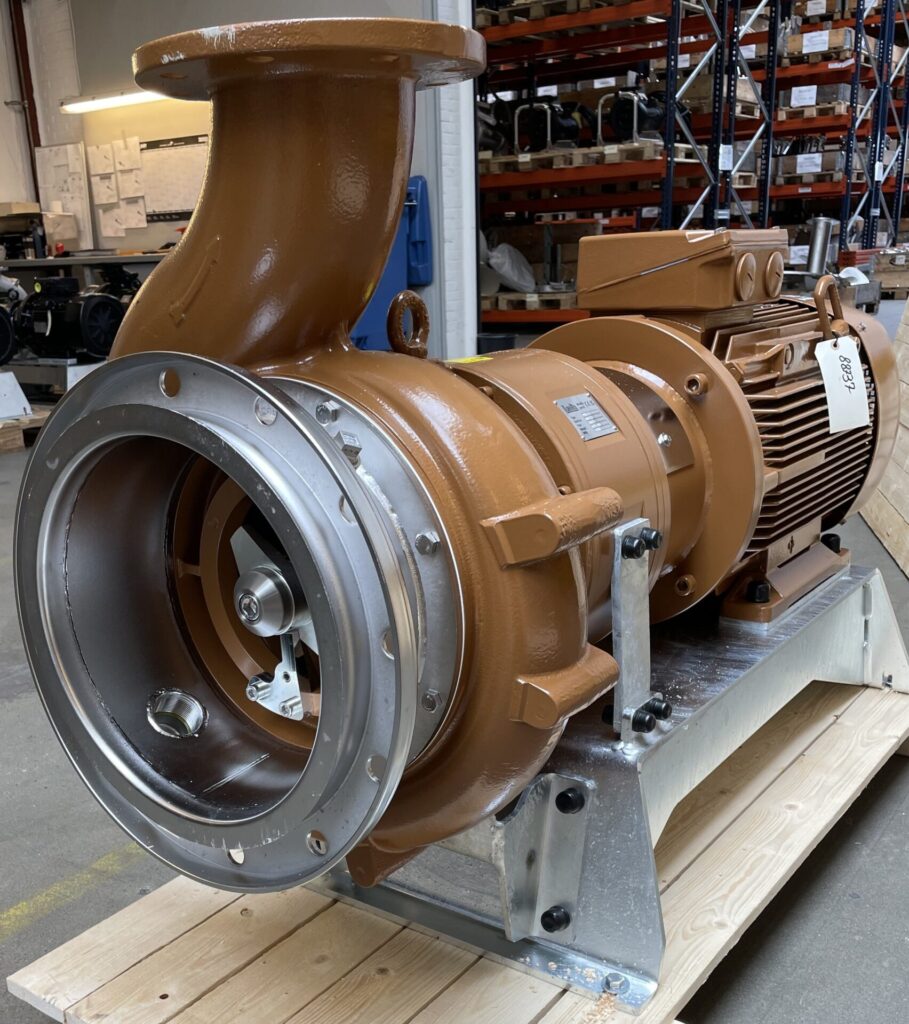
For Food Waste/Biogas, Landia Takes the Long-Term Pump View with HAYLEY DEXIS

June 9, 2026
To support a customer with a tricky application for a biogas/AD end-user, Landia has supplied new long-coupled pumps that have...
Read more
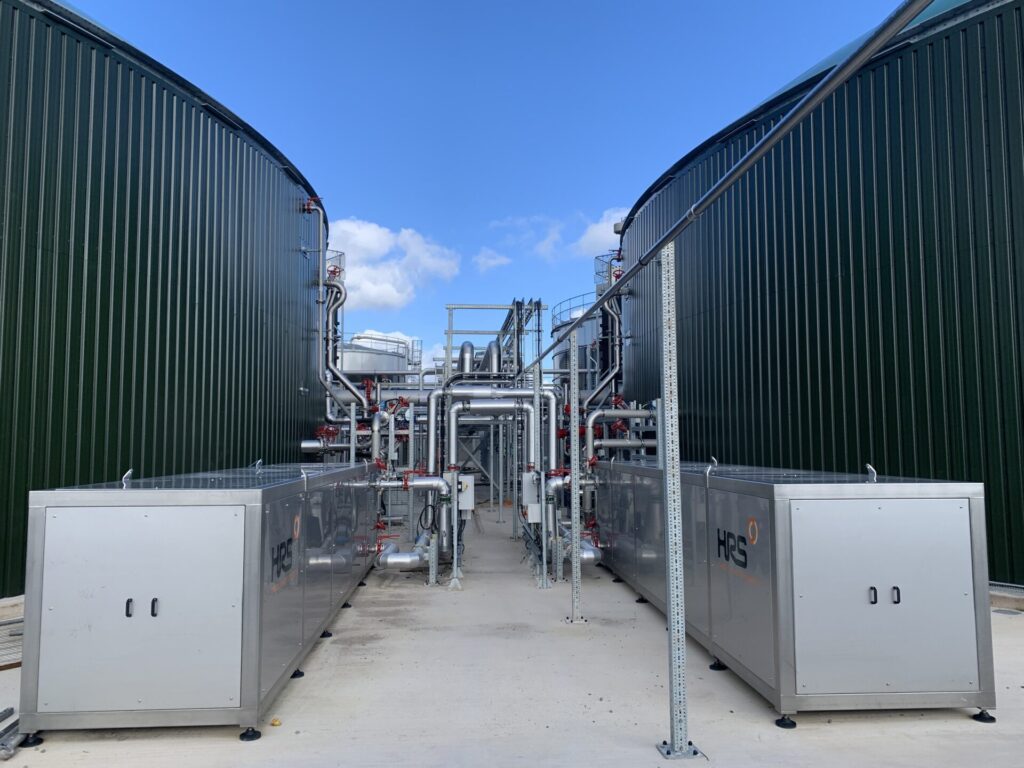
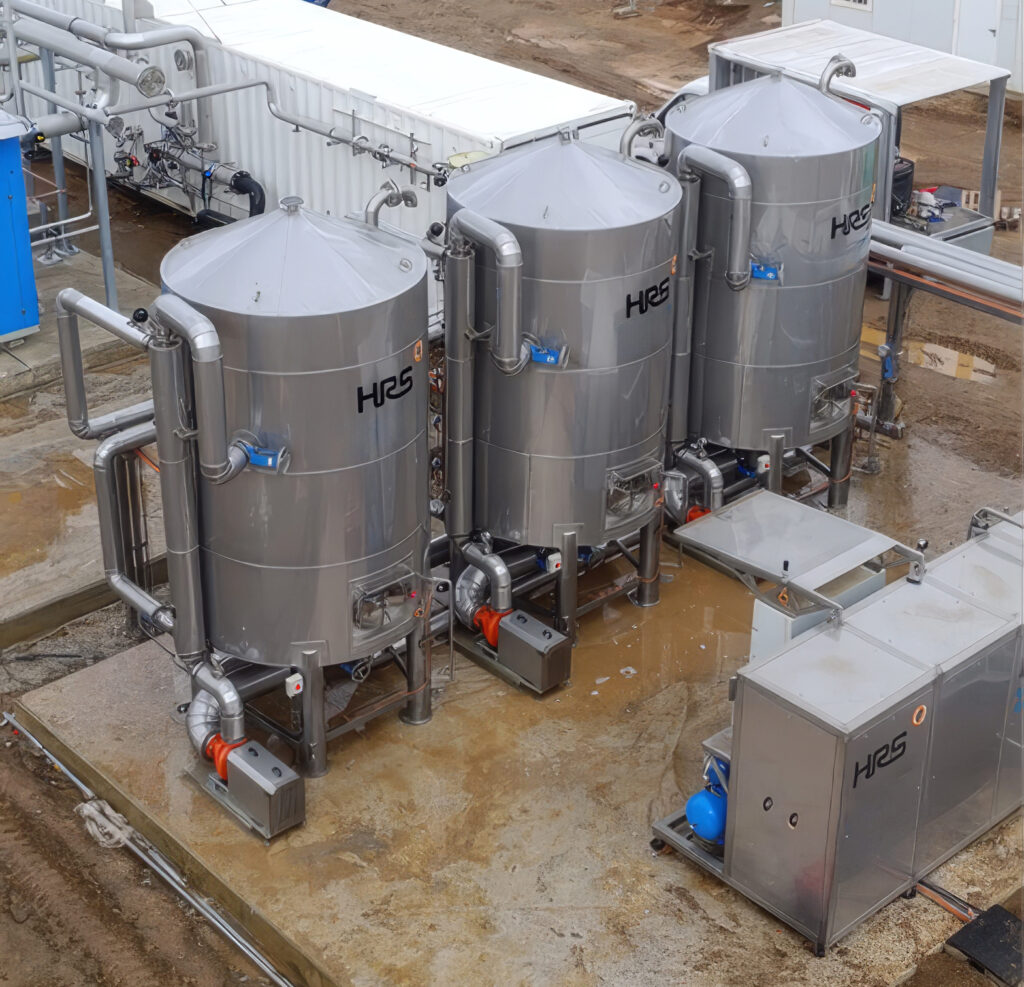
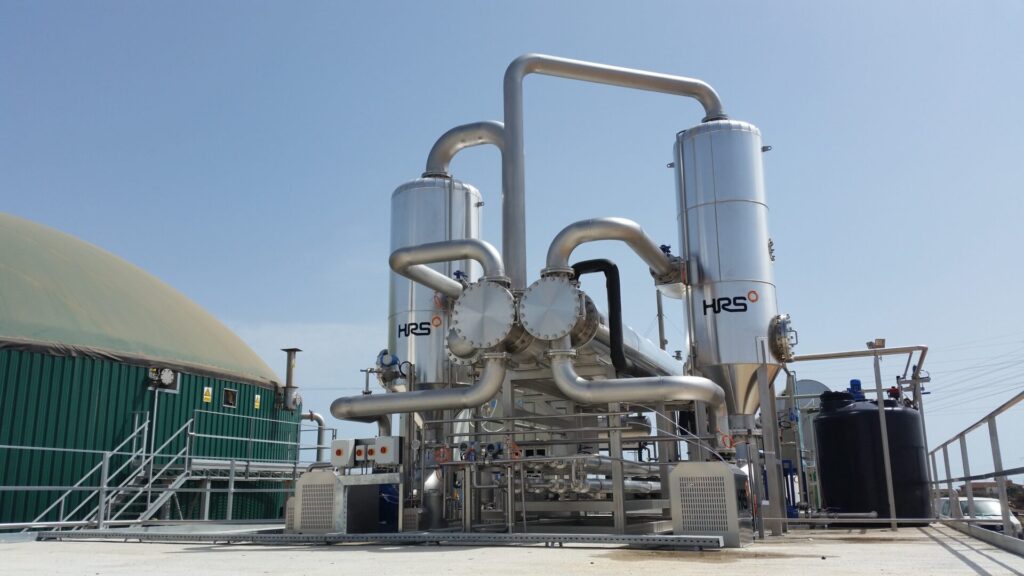
HRS Heat Exchangers Highlight Thermal Efficiency Solutions at World Biogas Expo

May 20, 2026
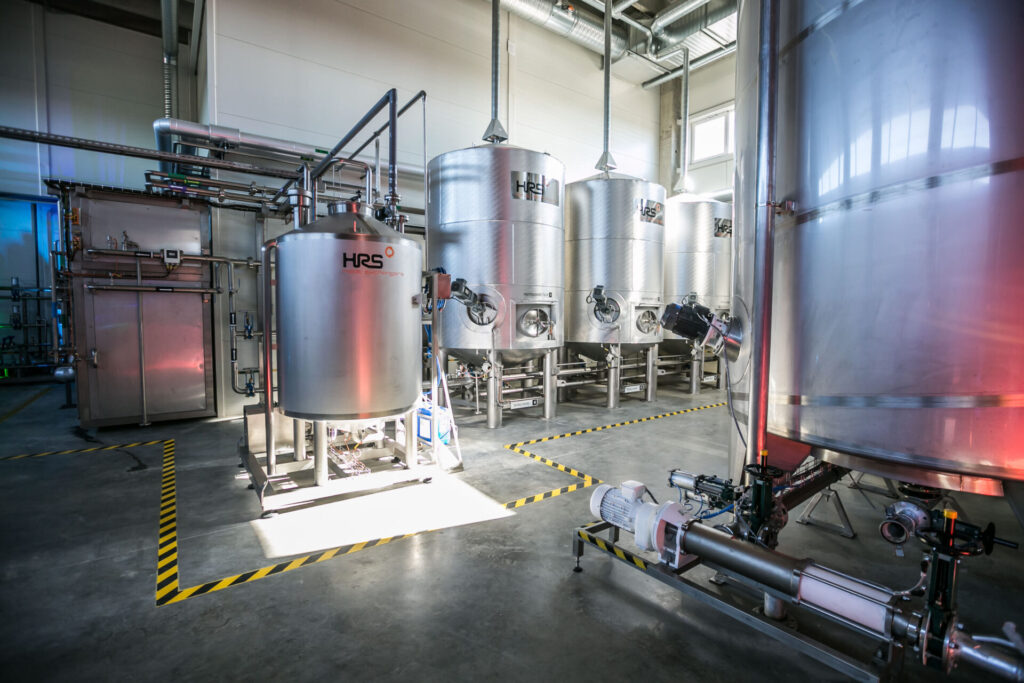
Heat transfer specialists HRS Heat Exchangers will return to the World Biogas Expo this July, highlighting the importance of thermal...
Read more
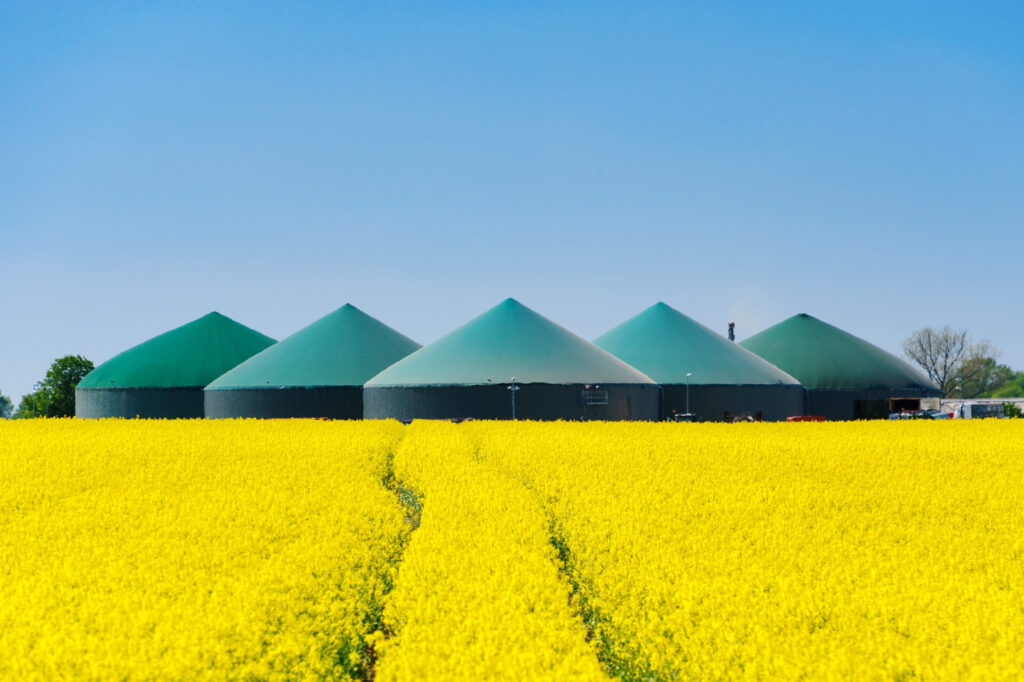
SEEPEX Supports Sustainable Energy Production Through Biogas

January 21, 2026
The European biogas and biomethane sector is gaining new momentum. Driven by climate policy, energy security concerns and rising natural...
Read more

Biogas Processing experts

Francisco graduated as an industrial technical engineer at the Universidad Politécnica de Cartagena (Murcia, Spain) in 1993, and joined HRS in 1998. After a year as a design engineer, he focused on HRS’ food processing projects, developing, designing and commissioning large projects for customers. Throughout his professional career, Francisco has worked primarily within the food industry and has an in-depth understanding of its process nuances and requirements. In 2010, he was made Food Business Director for the HRS Group, supporting the sales teams’ engagements and customer requirements internationally across all of the HRS Group’s offices. Francisco’s extensive technical knowledge developed throughout his career as a design engineer, along with his ability to understand the unique needs of the client, have made him one of the top experts in the food processing industry.

Eric Heilveil is a 30-year plus veteran in the process instrumentation marketplace. He started out his career working for Emerson Electric and later moved on to work with his current employer Siemens Process Instrumentation Flow Division. Throughout his career in industrial flow measurement he has held positions as a field service manager, a field sales manager, application engineer, product line manager, sales and product trainer, among other roles. Eric has worked extensively in the semiconductor, biotech, water and wastewater, food and beverage, automotive, oil and gas, and chemical industries. His current position with Siemens is as a Product Marketing Manager for flow products. Eric holds a dual MBA in marketing and finance. Based in Harleysville, Pennsylvania, throughout his career Eric has been responsible for business development and marketing of the Coriolis, clamp-on ultrasonic, magnetic flow and vortex flow products. He has been expertly selling, managing, consulting, designing, training, marketing and writing about flow measurement and control products that serve industry for his entire career.

Casey Williamson

Casey Williamson

GF

Casey Williamson is Head of Business Development Microelectronics Global Industries for Georg Fischer. For the last 25 years, he has provided support for the semiconductor and photovoltaic sub-segments; through the years, he has been instru­mental in defining fab construction requirements as they apply to piping systems for the conveyance of high-purity liquids, process cooling, and chemical waste streams as well as analytical control systems to optimize the operations of UPW and waste systems.

Gerard joined Panametrics in 2008 as a Flow Product Specialist for the Europe, Middle East and Africa Regions and is now the Global Flow Commercial Development Leader. He started his career in 1990 in the process industry after receiving his MSc. Before joining Panametrics, Gerard had several technical and commercial roles with several industries. Subject Matter Expertise – Flow, field instrumentation and process industries

Latest Biogas Processing videos

More Biogas Processing videos

Latest newsletters on Biogas Processing

Our Market and Technology Focus editions, most recent first. Every Tuesday the week in fluid handling, on Thursday one market or one technology zone in depth.

More Biogas Processing articles

ABB Unveils Advanced Single Device Analyzer for Measuring Four Gas Contaminants

December 3, 2025
ABB has launched Sensi+ NG, the latest evolution of its innovative multi-gas contaminant analyzer for the biogas and natural gas...
Read more

Biogas and its Potential to Accelerate the Global Energy Transition

October 23, 2025
Delivering the energy transition requires the rapid development of alternative, low-carbon energy sources. Since 2022, worries about energy security and...
Read more

Green Cogen Electric Power Systems Rely On Thermal Mass Flow Meters To Measure Biogases

October 17, 2025
In the quest to achieve net zero emissions and to reduce global warming, engineers responsible for converting waste gases to...
Read more

Pasteurisation Plays Crucial Role in Award Winning New Zealand AD Plant

October 7, 2025
An award-winning biogas plant which pioneered food waste collection and treatment in New Zealand has benefitted from using a dedicated...
Read more

Measuring Waste Gases Accurately and Safely with SIL SIL-Rated Thermal Mass Flow Meters

September 24, 2025
San Marcos, CA—September 25, 2025—Plant engineers measuring toxic and combustible waste gases from municipal or industrial processes, including wastewater treatment...
Read more

HRS returns to Salón del Gas Renovable for 2025

August 20, 2025
The experienced team from HRS Heat Exchangers will return to Valladolid Fair in October, where visitors will quickly be able...
Read more

Optimise Biogas Production With the Innovative BIO-ROXX Mixing module from Wangen Pumps

July 3, 2025
Unique mixer design delivers homogenous inoculum and efficiently removes solid bodies
Read more

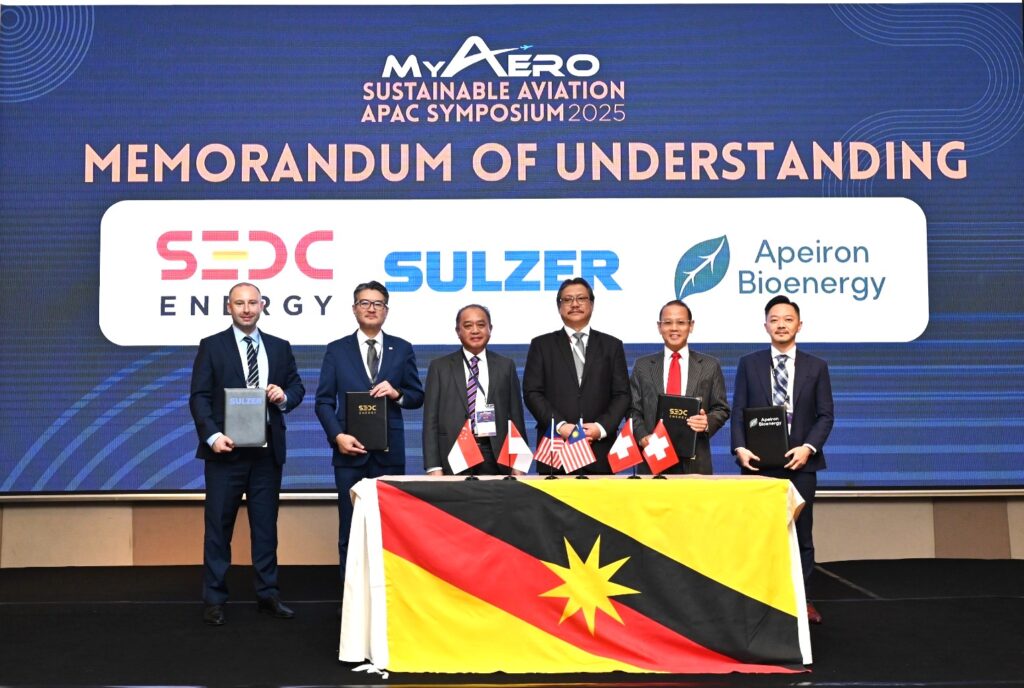
Sulzer to Provide BioFlux ™ Technology for SEDC Energy Sustainable Aviation Fuel Plant in Malaysia

July 3, 2025
SEDC Energy (SEDCE) is collaborating with Sulzer Chemtech to deploy its proprietary BioFlux technology at Sarawak’s upcoming Sustainable Aviation Fuel...
Read more

Biogas Processing experts

Francisco graduated as an industrial technical engineer at the Universidad Politécnica de Cartagena (Murcia, Spain) in 1993, and joined HRS in 1998. After a year as a design engineer, he focused on HRS’ food processing projects, developing, designing and commissioning large projects for customers. Throughout his professional career, Francisco has worked primarily within the food industry and has an in-depth understanding of its process nuances and requirements. In 2010, he was made Food Business Director for the HRS Group, supporting the sales teams’ engagements and customer requirements internationally across all of the HRS Group’s offices. Francisco’s extensive technical knowledge developed throughout his career as a design engineer, along with his ability to understand the unique needs of the client, have made him one of the top experts in the food processing industry.

Eric Heilveil is a 30-year plus veteran in the process instrumentation marketplace. He started out his career working for Emerson Electric and later moved on to work with his current employer Siemens Process Instrumentation Flow Division. Throughout his career in industrial flow measurement he has held positions as a field service manager, a field sales manager, application engineer, product line manager, sales and product trainer, among other roles. Eric has worked extensively in the semiconductor, biotech, water and wastewater, food and beverage, automotive, oil and gas, and chemical industries. His current position with Siemens is as a Product Marketing Manager for flow products. Eric holds a dual MBA in marketing and finance. Based in Harleysville, Pennsylvania, throughout his career Eric has been responsible for business development and marketing of the Coriolis, clamp-on ultrasonic, magnetic flow and vortex flow products. He has been expertly selling, managing, consulting, designing, training, marketing and writing about flow measurement and control products that serve industry for his entire career.

Casey Williamson

Casey Williamson

GF

Casey Williamson is Head of Business Development Microelectronics Global Industries for Georg Fischer. For the last 25 years, he has provided support for the semiconductor and photovoltaic sub-segments; through the years, he has been instru­mental in defining fab construction requirements as they apply to piping systems for the conveyance of high-purity liquids, process cooling, and chemical waste streams as well as analytical control systems to optimize the operations of UPW and waste systems.

Gerard joined Panametrics in 2008 as a Flow Product Specialist for the Europe, Middle East and Africa Regions and is now the Global Flow Commercial Development Leader. He started his career in 1990 in the process industry after receiving his MSc. Before joining Panametrics, Gerard had several technical and commercial roles with several industries. Subject Matter Expertise – Flow, field instrumentation and process industries

Paul de Waal is Dutch and educated as a Measurement and Control /Electronics Engineer. After a start as Instrumentation Engineer at Delta Controls, often outsourced to Shell, he became Managing Director of Sierra Instruments b.v. for almost 25 years. In 2012 he moved to the UK and now works as Business Development Director at Vögtlin Instruments GmbH in Switzerland. Paul has been active is several ISO committees and has a wide network of international relations that he can call upon to support him. (Vögtlin is part of the TASI group). He has practical experience with about every flow meter principle available. Currently his professional focus is application support, product development and international sales promotions. His main interest and experience lies in non-fiscal gas mass flow measurement/control systems and calibration. Gas mass flow meters and controllers used in applications like consumption measurements and distribution, gas dosing, mixing, (leak) testing, flame control, furnace, glass, heat treatment, packaging and analysers. Application for this can be found in industries like Food, Bio technology, Surface technologies, Welding, Medical, Pharma, Energy (Solar, Fuel cells, combustion, etc), chemical, semiconductor, metal industry and many more..

Erwin Weber has been working in the pump industry for over 35 years and has exceptionally broad technical and sales expertise. He began his professional career in design, gaining in-depth insight into manufacturing, assembly and service, and went on to play a key role in the development of the NETZSCH rotary lobe pump. He has been working successfully in international sales, project business and business development for more than 25 years and is recognised as an expert in handling complex liquids. Today, as Sales Director EMENA, he is responsible for strategic sales management in Europe, the Middle East and North Africa. His profile is characterised by many years of experience, strategic foresight, entrepreneurial thinking, strong leadership skills and proven success in international sales and key account management.

Questions and answers about Biogas Processing

Biogas processing is the method of converting organic waste materials, such as agricultural residues and food waste, into renewable energy through anaerobic digestion. This biological process breaks down organic matter in the absence of oxygen, producing biogas primarily composed of methane, which can be used for electricity generation, heating, or as vehicle fuel.

How does anaerobic digestion work in biogas processing?

Anaerobic digestion involves several stages: hydrolysis, acidogenesis, acetogenesis, and methanogenesis. During these stages, microorganisms break down organic materials into simpler compounds, ultimately producing biogas. This process not only generates energy but also minimizes waste and reduces greenhouse gas emissions.

What are the benefits of biogas processing?

Biogas processing offers numerous benefits, including sustainable waste management, renewable energy production, and reduction of greenhouse gas emissions. It helps divert organic waste from landfills, provides a renewable energy source, and produces digestate, a nutrient-rich fertilizer that can enhance soil health.

What materials can be used in biogas processing?

A wide range of organic materials can be utilized in biogas processing, including agricultural residues (such as crop leftovers), food waste, manure from livestock, sewage sludge, and certain industrial wastes. This versatility makes biogas an effective solution for various sectors, from agriculture to municipal waste management.

How is biogas processed for energy use?

Once produced, biogas can undergo purification processes to remove impurities like carbon dioxide and hydrogen sulfide, resulting in Renewable Natural Gas (RNG). This refined biogas can then be injected into natural gas pipelines, used for electricity generation, or converted into compressed natural gas (CNG) for vehicles, making it a versatile energy source.

Flow control is crucial in the biogas industry, as it ensures that raw materials and resulting gases are transferred smoothly and efficiently throughout the production process. In a biogas plant, materials like organic waste or agricultural residues undergo anaerobic digestion to produce biogas, primarily composed of methane and carbon dioxide. Flow control systems manage the feed rate of organic material into the digesters and regulate the movement of gases and digestate out of the system. Maintaining a steady flow rate is essential, as variations can disrupt bacterial activity, leading to inefficiencies and potential safety issues.


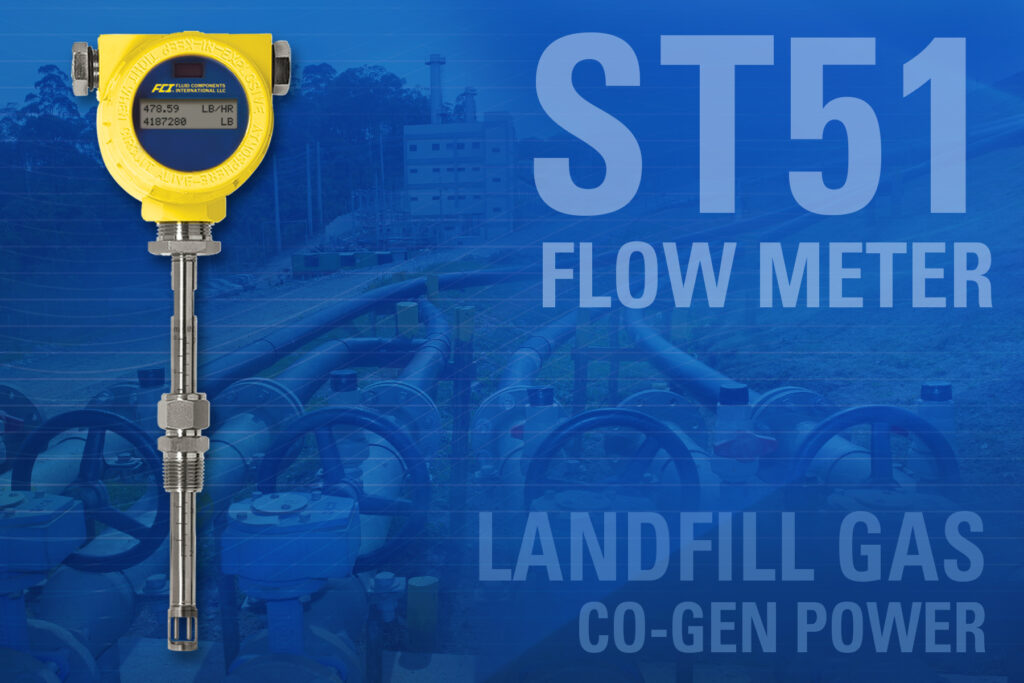
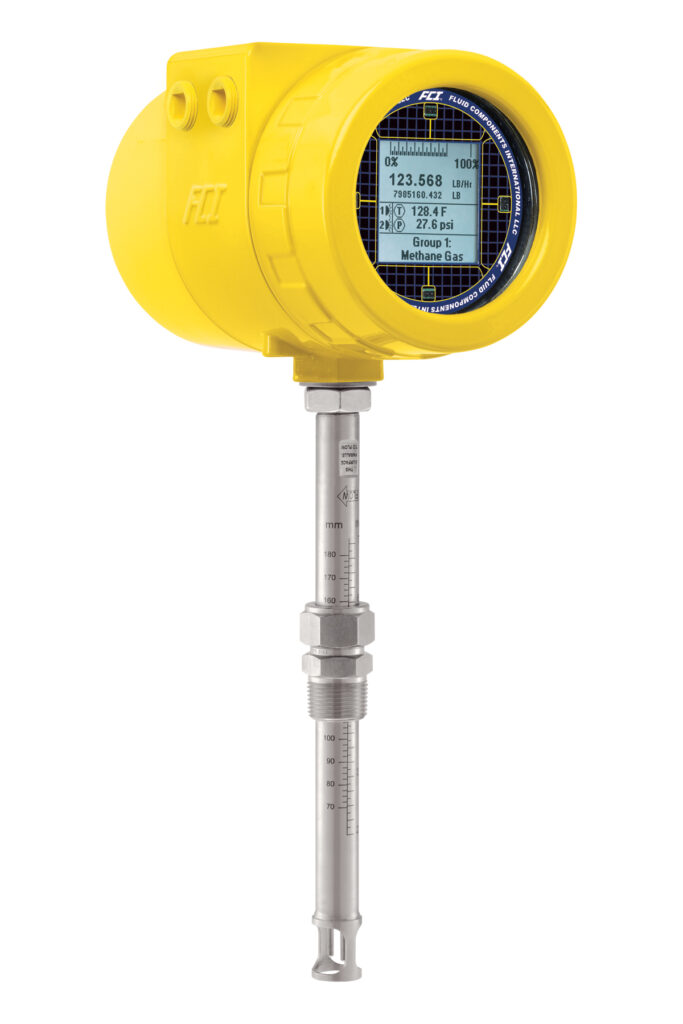
Flow meters and controllers are often used to measure the flow rate of gas and slurry, ensuring optimal operating conditions. By accurately controlling the flow, plants can maximize methane production, increase energy yield, and maintain a safe working environment by preventing gas build-ups. Flow control is increasingly automated in modern biogas plants, enabling real-time monitoring and adjustments that enhance system reliability and process efficiency.

Storage systems in biogas plants hold both raw materials and the biogas produced. Biogas storage typically involves large, flexible gas storage domes or tanks that contain the gas produced during digestion. These storage solutions must be designed to handle the specific properties of biogas, which is a highly flammable and corrosive gas mixture. Proper storage design considers the balance between production and utilization rates, allowing for a continuous supply of gas to be stored for electricity generation, heating, or other applications.

The choice of storage depends on the scale of the plant and its specific applications. Small plants might use membrane biogas holders, while larger facilities may rely on high-pressure gas storage tanks. Safety is paramount in storage due to the combustible nature of biogas, requiring facilities to implement strict safety measures to avoid leaks, explosions, and contamination. Enhanced biogas storage systems are evolving to accommodate the fluctuating energy demands, aligning with renewable energy storage needs in grid-balancing applications.

Level control systems monitor and maintain appropriate levels of liquid or solid materials within various parts of the biogas plant. Ensuring accurate level control within digesters, mixers, and storage tanks is essential to prevent overflows, material shortages, and potential hazards due to improper filling. Precise level management helps maintain optimal conditions for anaerobic digestion, as fluctuations can disrupt the microbial environment needed for methane production.

Sensors such as ultrasonic, radar, or capacitive level detectors provide real-time data, enabling operators to adjust feed rates, monitor sludge layers, and prevent unwanted gas pockets from forming. Consistent level control not only improves process efficiency but also minimizes waste and enhances overall plant safety, making it an indispensable component in the biogas production chain.

In biogas systems, pressure control maintains the appropriate pressure levels within digesters, gas storage tanks, and piping. This control is critical for several reasons: it helps to optimize methane yield, ensures the safe transport of biogas, and prevents potential risks associated with high-pressure buildup or sudden drops. Given that biogas is a mixture of gases, maintaining stable pressure ensures consistent quality and quantity in gas output.

Pressure control valves, pressure relief valves, and regulators are commonly used to manage system pressures. These tools work to relieve excess pressure, which can be hazardous, and to maintain the right conditions for anaerobic digestion. In modern plants, pressure control systems are increasingly automated to respond swiftly to changes, improving the overall reliability of biogas systems.

Process and control valves are fundamental in regulating the flow, pressure, and direction of both liquid and gas in biogas systems. These valves allow for precise control of the different stages of biogas production, from substrate feed-in to gas extraction and handling. Valves used in biogas plants need to be robust, corrosion-resistant, and compatible with both liquid and gaseous phases, as they are exposed to abrasive and corrosive environments.

Ball valves, gate valves, butterfly valves, and solenoid valves are commonly used in various parts of the biogas system, enabling operators to control fluid and gas movement. Automation of valve systems is also widespread, allowing for remote control and quick responses to process changes, ensuring operational stability and preventing potential leaks or cross-contamination within the plant.

Gas process analytical systems in biogas plants analyze the composition of biogas to monitor its quality and optimize production. These systems measure concentrations of methane, carbon dioxide, hydrogen sulfide, and other gases, providing critical data for adjusting operational parameters. Ensuring high methane content is essential, as it determines the biogas’s energy value, while controlling hydrogen sulfide levels is crucial due to its corrosive nature.


Advanced gas analyzers use infrared, electrochemical, or thermal conductivity sensors to provide real-time gas composition readings. Continuous monitoring and analysis help operators adjust feedstock composition, digestion temperature, and retention time to maximize biogas yield and quality. These systems also support regulatory compliance, as they provide data for emissions reporting and environmental safety.


Temperature control is vital in biogas production, as the efficiency of anaerobic digestion largely depends on maintaining optimal temperatures for microbial activity. Most biogas plants operate in mesophilic or thermophilic ranges, where bacterial activity is maximized, leading to higher methane yields. Temperature fluctuations can disrupt the digestion process, leading to lower biogas production and potential system failures.

Temperature sensors, heaters, and insulation are employed to regulate temperatures within digesters and pipelines. Real-time monitoring allows operators to adjust heating as needed, while heat exchangers or gas recovery systems may also be used to improve thermal efficiency. Accurate temperature control ensures stable, efficient biogas production and helps maintain the microbial balance necessary for sustainable energy output.

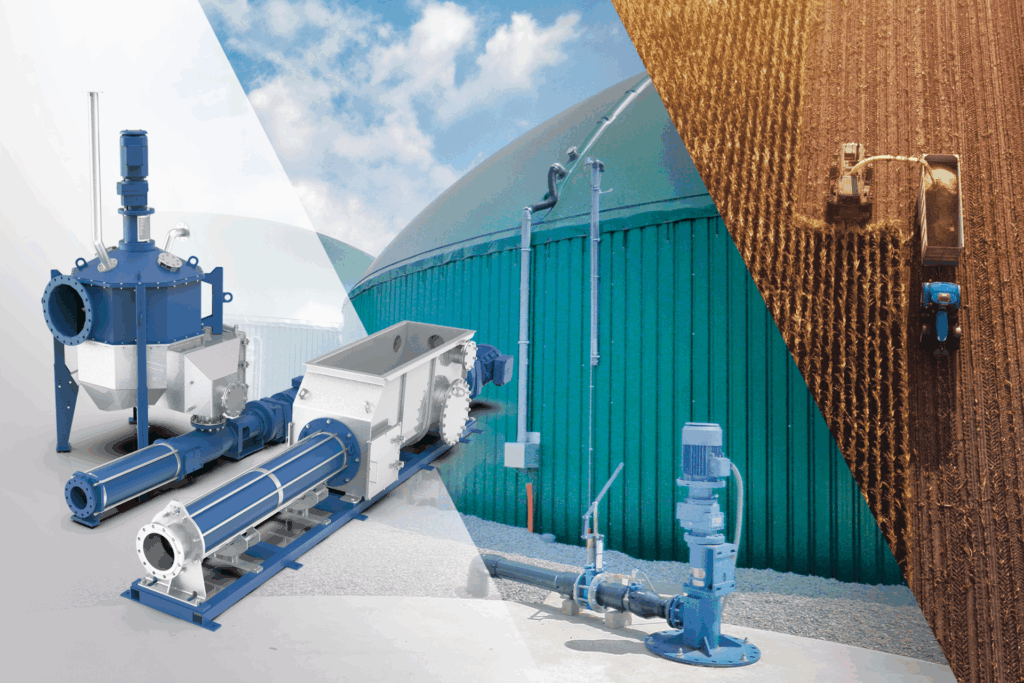
Progressing cavity, rotary lobe and chopper pumps move manure, maize silage, sludge and digestate, all of them abrasive and full of fibre. Wear parts, the ability to pass foreign objects and dry running protection decide the real cost of ownership far more than the purchase price does. More in Pumps and Pumping Systems.

Submersible and long shaft agitators keep the substrate homogeneous, prevent floating layers and sinking sand, and spread heat and bacteria evenly through the tank. Poor mixing shows up directly as lower gas yield. More in Fluid Mixing.

Raw biogas carries water, hydrogen sulphide, siloxanes and CO2. Activated carbon, membranes, water scrubbing and amine systems clean and upgrade it to biomethane fit for the grid or as vehicle fuel. Filtration protects both the upgrading unit and the engine downstream. More in Fluid Filtration Systems.

Piping has to cope with wet gas, hydrogen sulphide, condensate and outdoor temperatures. Slope, condensate traps, material choice and gas tightness are what keep a plant running through winter, and they are also what inspections look at. More in Piping Systems.

Inline analysers follow methane, CO2, oxygen and hydrogen sulphide continuously. Those readings steer the desulphurisation, protect the CHP engine and prove grid quality when biomethane is injected. More in Process Gas and Liquid Analytical Systems.

Three ways on from here

Biogas Processing equipmentProduct types and the manufacturers that build them.Biogas Processing videosSee the equipment run before you shortlist.Biogas Processing eventsWhere the industry meets this year.