




Market
Liquid Chemicals Processing
Chemical plants handle liquids that are corrosive, toxic, flammable or all three, which makes containment the first design requirement. Magnetic drive and canned motor pumps, lined valves, mass flow meters, level instruments and sealing systems move acids, solvents, polymers and specialty chemicals, under emission limits, material compatibility rules and safety cases that shape every selection.
All articles in this market
Liquid Chemicals Processing — page 10 of 14





Promoted videos
Liquid Chemicals Processing in action

Ask the Expert
Ask a liquid chemicals processing expert — free
Engineers and product specialists who answer technical questions from readers. The answer comes back to you by e-mail; when we publish it, other readers benefit too.
 Dave Zawilinski
MadisonSensor
Dave Zawilinski
MadisonSensor
As Engineering Director at MadisonCompany, Dave Zawilinski brings 45 years of expertise in New Product Introduction and Lean manufacturing. He specializes in…
Ask a question Bob Steinberg
Sage Metering
Bob Steinberg
Sage Metering
Bob Steinberg is the founder, president, and CEO of Sage Metering. He has over 40 years of instrumentation experience. Before forming Sage…
Ask a question Ryan Fitzgerald
Anderson-Negele
Ryan Fitzgerald
Anderson-Negele
Ryan Fitzgerald, Product Manager at Anderson-Negele, is an expert for the process management sensor portfolio which includes electromagnetic flow meters, Coriolis flow…
Ask a question Natalie Waldecker
VEGA Grieshaber KG
Natalie Waldecker
VEGA Grieshaber KG
Natalie Waldecker, Portfolio Manager Food and Pharma, knows the challenges of the demanding industries inside out. With her broad application knowledge, she…
Ask a questionMarket & Technology Focus
Liquid Chemicals Processing, in depth in your inbox
Every Thursday edition takes one market or technology in depth. These are the editions on this market — read them online or get the next one by e-mail.
Subscribe to our E-newsletters
Join 36,000+ engineers, plant managers and technical buyers who follow powder and bulk solids technology with us. Free, twice a week.
Questions and answers
Frequently asked about liquid chemicals processing
Chemical fluid handling
Many chemical manufacturing processes request cost-effective separation, purification, and concentration of chemical liquids. Ensuring safe chemical fluid handling while maintaining a high quality of products is paramount.
A knowledge of fluid mechanics is essential for the chemical engineer because most chemical-processing operations are conducted in the liquid phase.
How are liquid chemicals safely stored?
Proper storage of liquid chemicals is necessary for any factory or institutional setting. While small quantities of flammables can be stored in flammable cabinets, bulk or more significant amounts of chemicals should be stored in chemical storage buildings.
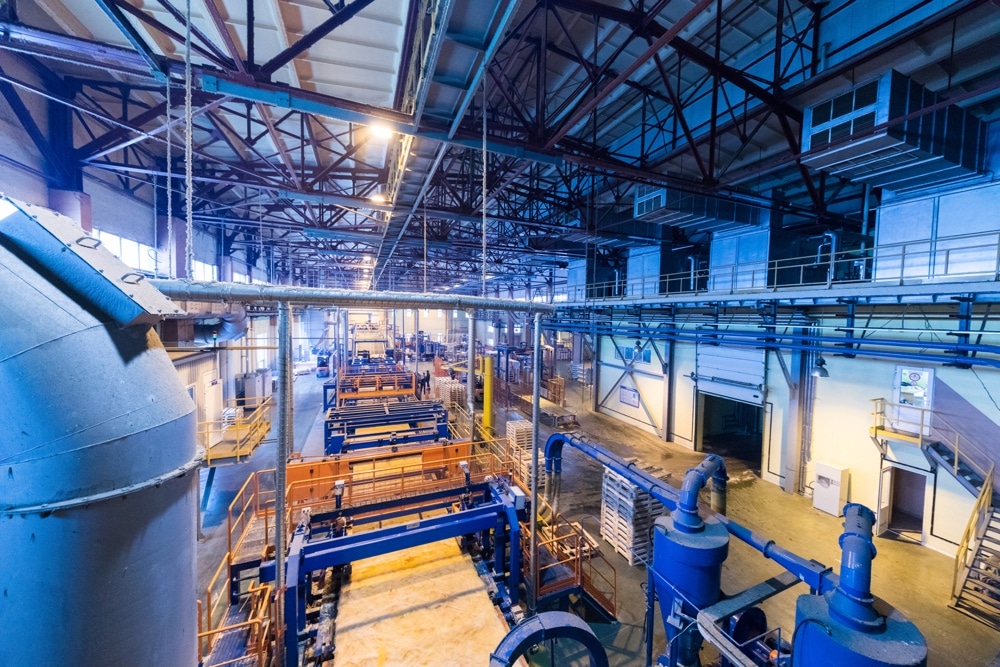
Safe liquid chemical storage begins with inventory management. Proper inventory management is also necessary if emergency staff respond to a fire or chemical spill in the area.
All chemicals come with safety data sheets that follow a standard format as
defined by OSHA in their Hazard Communication Standard.
When working with liquid chemicals, safe storage methods must be a priority.
Liquid chemicals requirements
Any industry that involves handling liquid chemicals must take great care to follow all safety regulations for hazardous materials. OSHA has specific requirements concerning the safe handling and transporting of chemicals.
Chemical processing companies must have the correct fluid handling equipment to minimize the possibility of accidents, contamination, or exposure to toxic materials.
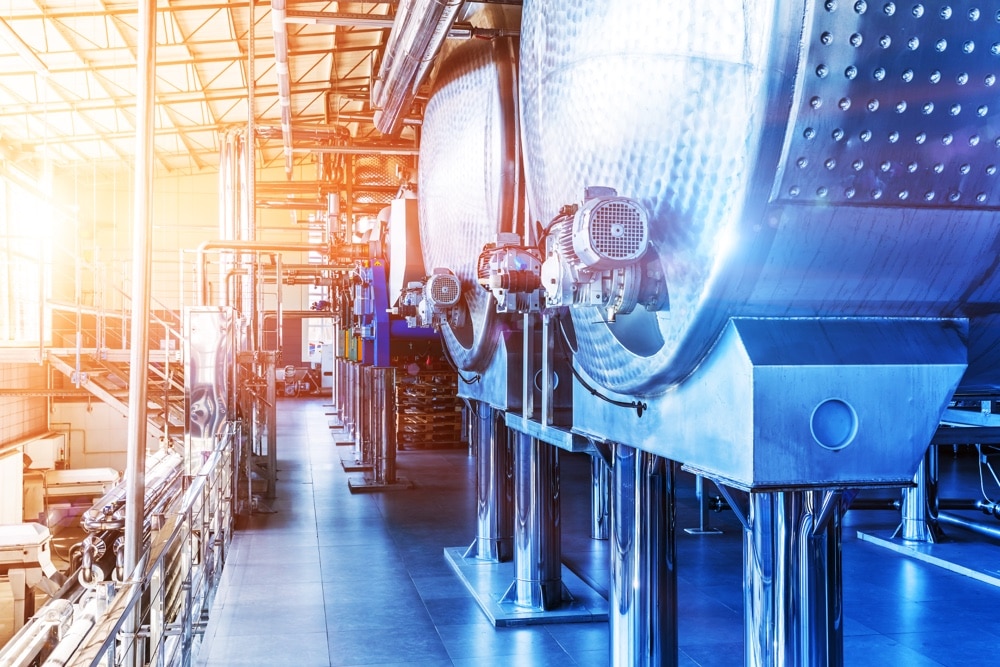
Examples of chemical processing operations abound in the biochemical, chemical, energy, fermentation, materials, mining, petroleum, pharmaceuticals, polymer, and waste-processing industries.
Safe handling of liquid chemicals
Here are some guidelines that can be useful to have while at work to ensure the safe handling of chemicals:
- Keep track of which liquid chemicals are being used in the business. Keep a list of the substances, the amounts being used, and the risks associated with them.
- This also applies to gathering information and distributing it to those who need it. Current safety data sheets are one condition. There may be a need for special instructions and training to assure safe handling. It is often necessary to carry out an overall risk analysis to understand the risks.
- Storing and safely using chemicals is a foundation for working with liquid chemicals.
- In continuing risk reduction work, it is necessary to decide whether a particular chemical is needed. In many cases, there can be another substance that is less hazardous to health and the environment, or perhaps a different method. Purchasing of chemical substances, therefore, requires special procedures.
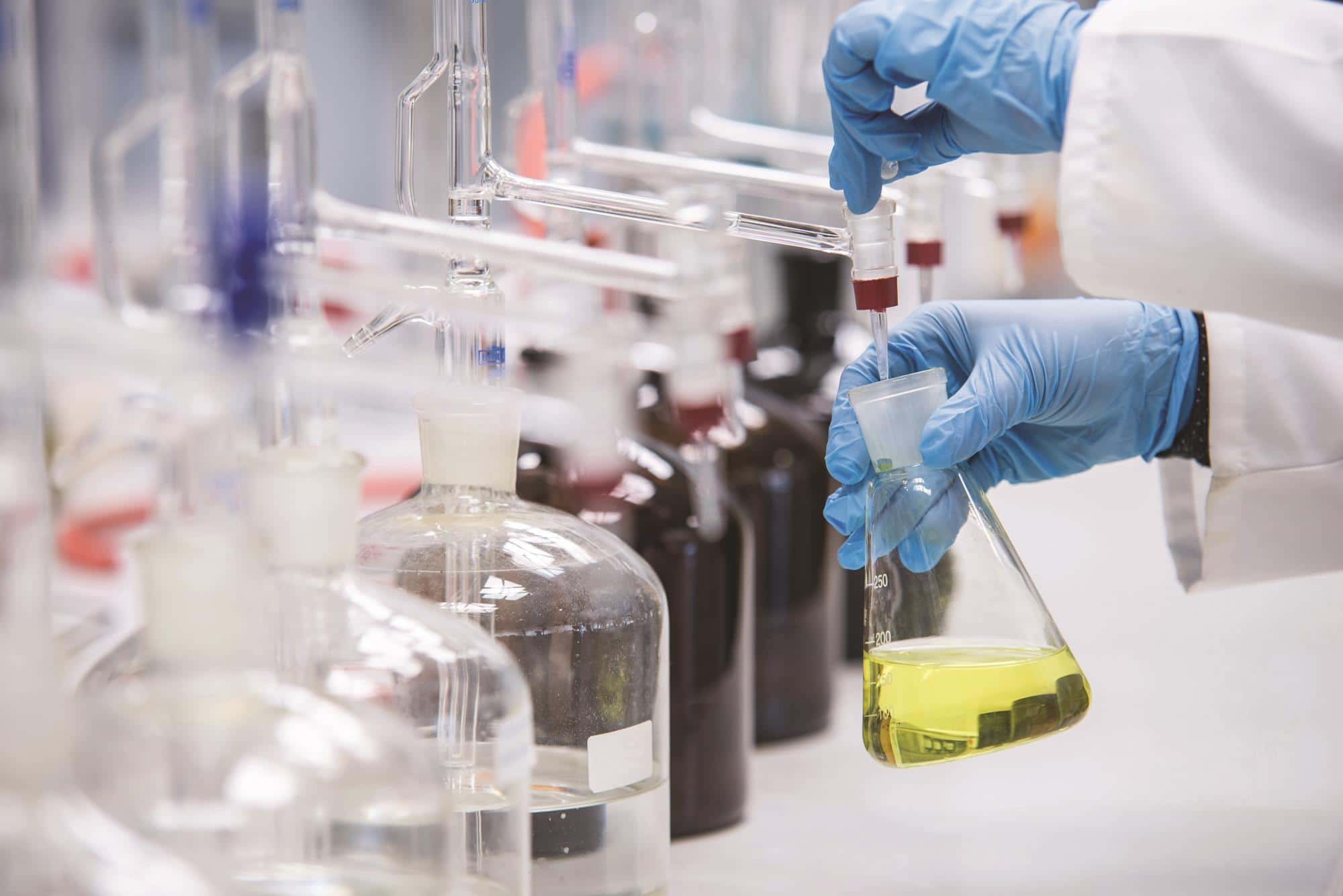
Dangerous liquid chemicals
Any chemical, in either gas, liquid, or solid form, that has the ability to cause harm is referred to as a hazardous chemical.
If you are exposed to them, some of these dangerous liquid chemicals can be dangerous to your health.
Some liquid chemicals may also have physical-chemical hazards, e.g., flammable, explosive, or additional hazards if mixed or stored with incompatible chemicals.
Chemicals can also harm the environment if stored, used, or disposed of incorrectly.
Liquid chemical processing innovations
A standard benchmark for liquid chemical processing innovations is the industry's expenditure on research and development (R&D).
Liquid chemicals and allied products have been heavily dependent upon scientific research performance.
However, a laboratory breakthrough is very far from the availability of a saleable product.
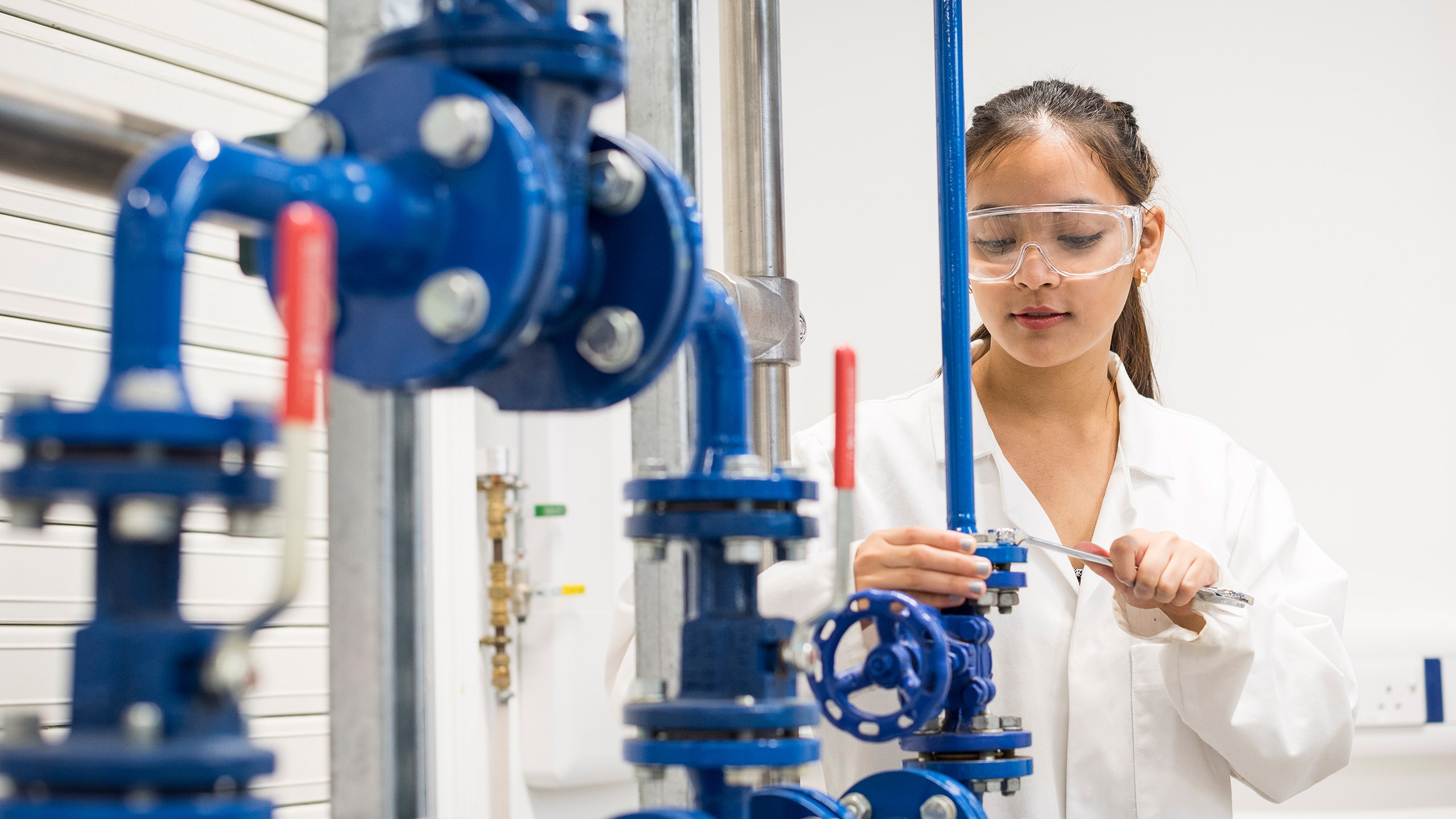
Commercial success or failure in the chemical processing industry is essentially what happens after a laboratory discovery.
In a liquid chemical company, especially organic chemicals, the development of innovative products depends on the findings of scientific experiments performed at the laboratory level.
Which pumps are used for liquid chemicals?
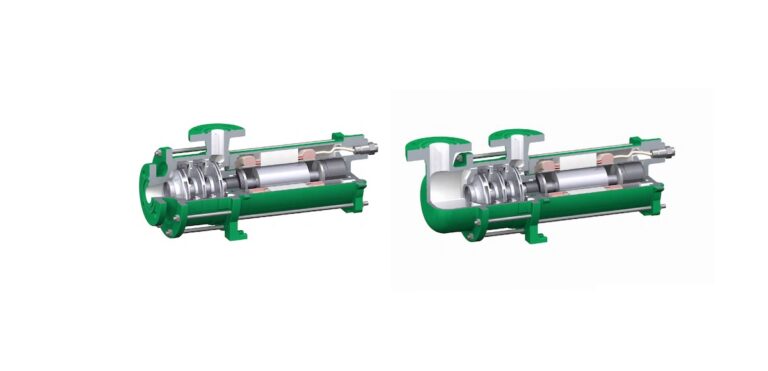
Magnetic drive and canned motor pumps remove the mechanical seal altogether, which is often the fastest route to a leak free plant. Lined centrifugal, diaphragm and peristaltic pumps handle acids, slurries and dosing duties where seals or metals would not survive. More in Pumps and Pumping Systems.
Which valves suit aggressive chemicals?
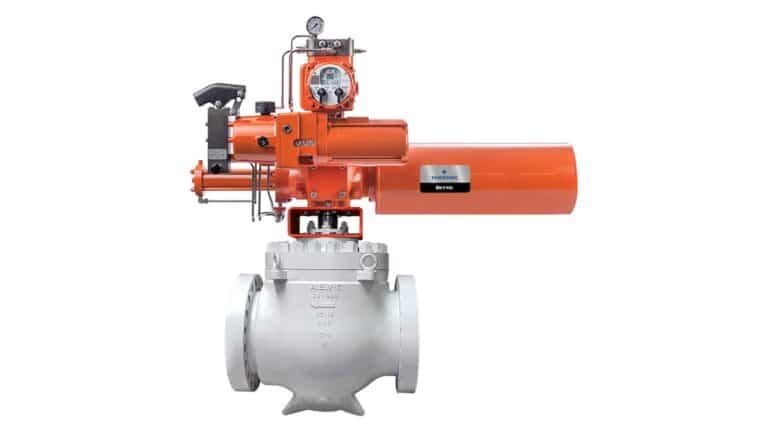
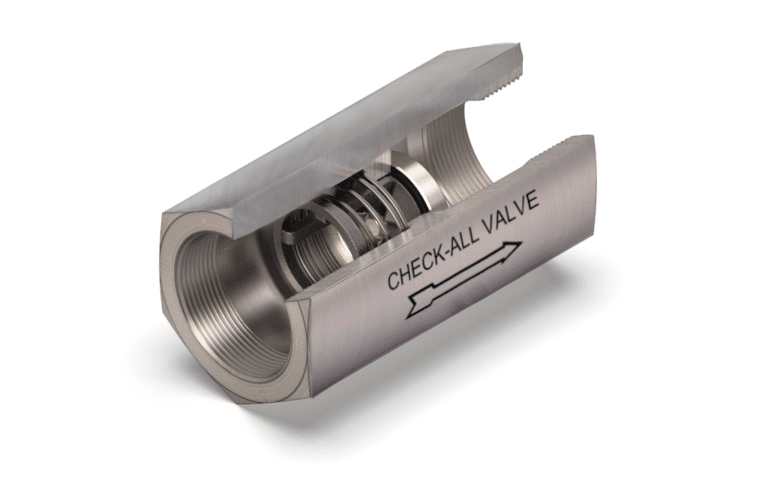
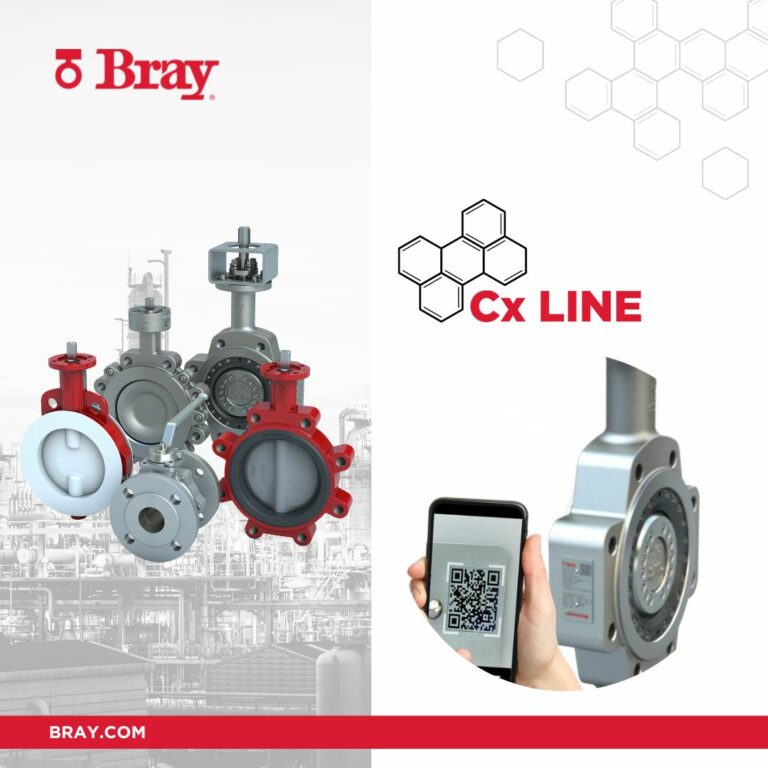
PTFE and PFA lined ball and butterfly valves, diaphragm valves and bellows sealed globe valves keep aggressive media inside the line. Fugitive emission certification is increasingly part of the specification rather than an extra. More in Process and Control Valves.
How is flow measured in chemical plants?
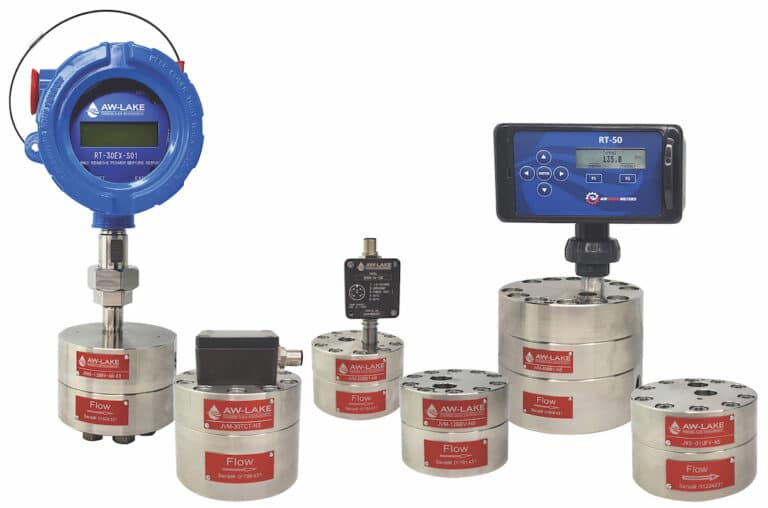
Coriolis meters give mass and density at once, which suits recipe dosing and blending, while magnetic and vortex meters handle conductive liquids and vapours. In corrosive service the wetted material and the lining decide the choice before the accuracy class does. More in Flow Control and Measurement.
How is level measured in chemical storage?
Radar and guided wave radar measure without contact or with a fully coated probe, and they cope with vapour, foam and changing dielectric. Overfill protection on a chemical tank is a safety instrumented function, not a convenience. More in Level Control and Measurement.
How are liquid chemicals stored safely?
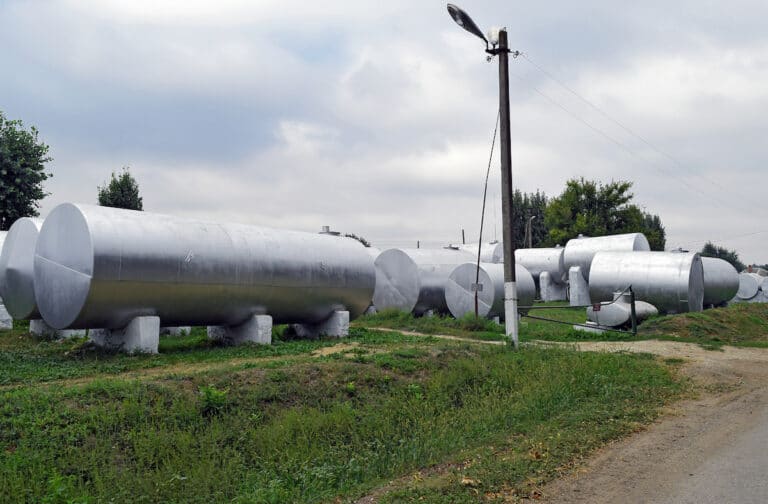
Tank material, lining, bunding, venting, inerting and temperature control together decide whether a storage installation is safe. Compatibility between the chemical and every wetted material is the starting point, followed by what happens when two products meet by accident. More in Fluid Storage.
Where is mixing used in chemical production?
Agitators and static mixers dissolve, disperse, emulsify and control reaction rates. Mixing intensity influences yield, particle size and heat transfer, so it is a process parameter rather than an afterthought. More in Fluid Mixing.
How do I find an equipment manufacturer for liquid chemicals processing?
Use the Manufacturers Directory A–Z or the Equipment Guide. Partner profiles carry direct contact details; other listings link to the company website.
Can I ask a technical question before I buy?
Yes. Ask the Expert puts your question to a field expert active in Liquid Chemicals Processing. The answer comes back to you by e-mail; when we publish it, other readers benefit too.