




Market
Power Generation
Power plants live on fluids. Feedwater, condensate, steam, cooling water, lubricants and fuel all have to be moved, measured and controlled with high availability, from boiler and turbine circuits to cooling towers and emissions control. Pumps, control valves, flow and level instruments and heat exchangers decide plant efficiency, and increasingly how well a plant follows a fluctuating grid.
All articles in this market
Power Generation — page 5 of 5


Promoted videos
Power Generation in action
Ask the Expert
Ask a power generation expert — free
Engineers and product specialists who answer technical questions from readers. The answer comes back to you by e-mail; when we publish it, other readers benefit too.
 Jan Christensen
Brooks Instrument
Jan Christensen
Brooks Instrument
Jan Christensen has nearly 40 years of experience in precision flow and pressure control instrumentation. He began his career as a Canadian…
Ask a question Nikolas Oppenberger
UWT GmbH
Nikolas Oppenberger
UWT GmbH
As product manager at UWT Nikolas specializes in solving demanding applications, consulting, training and troubleshooting. He also studied industrial engineering, technical product…
Ask a question Dominik Hegen
HERMETIC-Pumpen GmbH
Dominik Hegen
HERMETIC-Pumpen GmbH
A pump is more than just rotary equipment. It is the promise to solve a pumping task safely and reliably. In his…
Ask a question Erwin Weber
NETZSCH Pumpen & Systeme GmbH
Erwin Weber
NETZSCH Pumpen & Systeme GmbH
Erwin Weber has been working in the pump industry for over 35 years and has exceptionally broad technical and sales expertise. He…
Ask a questionSubscribe to our E-newsletters
Join 36,000+ engineers, plant managers and technical buyers who follow powder and bulk solids technology with us. Free, twice a week.
Questions and answers
Frequently asked about power generation
Types of power plants
All power plants are created with one particular goal: to produce electric power as efficiently as possible. There are several types of power plants depending mainly on the sources of energy that are used. The introduction of more sustainable forms of energy has caused an increase in the improvement and creation of particular power plants.
Thermal power plants
Thermal power plants are split into two different categories; those that create electricity by burning fuel and those that generate electricity via prime mover:
- Fossil fuel power plants: Generates electric power by burning fossil fuels like coal, natural gas, or diesel.
- Nuclear power plants: The controlled nuclear reaction is maintained to generate electricity.
Hydroelectric power plants
Hydroelectric power plants use energy from falling water in rivers and reservoirs to spin a generator and create electricity. This energy source tends to be more reliable (dispatchable) than other renewable resources, especially when the facility runs off of a reservoir.
Solar power plants
Solar power plants convert sunlight into electricity, either directly using photovoltaics (PV) or indirectly using concentrated solar power (CSP). Concentrated solar power systems use lenses, mirrors, and tracking systems to focus a large area of sunlight into a small beam.
Wind power plants
Wind power plants / Wind turbines convert the kinetic energy from the wind into mechanical power. This mechanical power can be used for specific tasks (such as grinding grain or pumping water), or a generator can convert this mechanical power into electricity.
How do power plants work?

Electrical power starts at the power plant. In most cases, a power plant consists of an electric generator. Something has to spin that generator — it might be a water wheel in a hydroelectric dam, a large diesel engine, or a gas turbine. But in most cases, the object spinning the generator is a steam turbine. The steam might be created by burning coal, oil, or natural gas. Or the smoke may come from a nuclear reactor.
How do power plants generate electricity?
Electricity is a secondary energy source, which means that electricity is obtained from converting other primary sources of energy, such as coal, natural gas, nuclear, solar, or wind energy. The power plant is the location in which the energy conversions take place.
Power plant generator
Electricity generation generates electricity from primary energy sources, such as coal, natural gas, nuclear, solar, or wind energy.

The power plant generator is a device that converts mechanical energy obtained from an external source into electrical energy as the output—understanding that a generator does not actually ‘create’ electrical power. It uses the mechanical energy supplied to it to force the movement of electric charges present in the wire of its windings through an external electric circuit.
Power generation industry
The power generation industry can be split into three areas: power generation, transmission and distribution networks, and metering and sales. Large energy companies tend to operate in all three areas, which is more cost-effective, but smaller companies often only work in one of these areas.
Power generation equipment

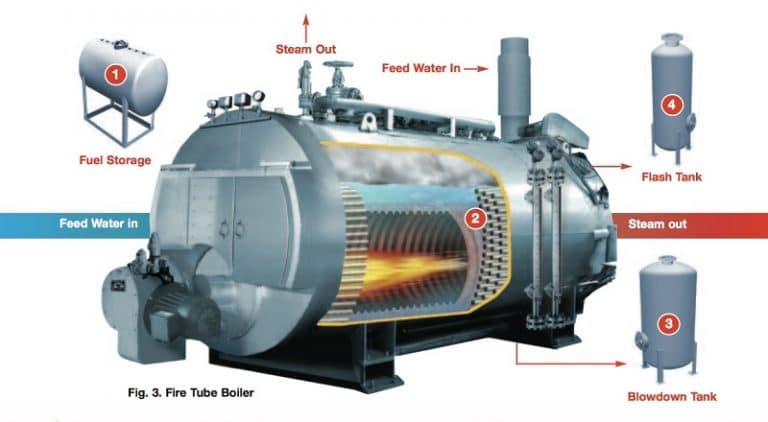
In each plant, whether nuclear or fossil-fueled, the following essential power generation equipment is present:
- Heat source: Provides heat to generate steam. The heat source in a nuclear power plant is the nuclear reactor, often referred to as the reactor core.
- Turbine/generator: Uses the energy of the steam to turn a turbine/generator that produces electricity.
- Condenser: Condenses the steam back to the water to be returned to the heat source to be heated again.
- Pump: Provides the force to circulate the water through the system.

Electric power station
Each electric power station’s technology has advantages and disadvantages. For example, nuclear power plants provide large quantities of reliable power with low levels of greenhouse gas emissions. Fossil fuel power plants deliver on-demand, consistent and reliable energy when the resources are available. Hydro, solar, and wind power plants generate renewable electricity, producing emissions-free electricity.
Which pumps are used in a power plant?
Boiler feedwater pumps, condensate extraction pumps, circulating water pumps and a long list of auxiliary and lubrication pumps keep a plant running. Feedwater pumps in particular work at high pressure and temperature and are among the most critical rotating machines on the site. More in Pumps and Pumping Systems.
How is flow measured in power generation?
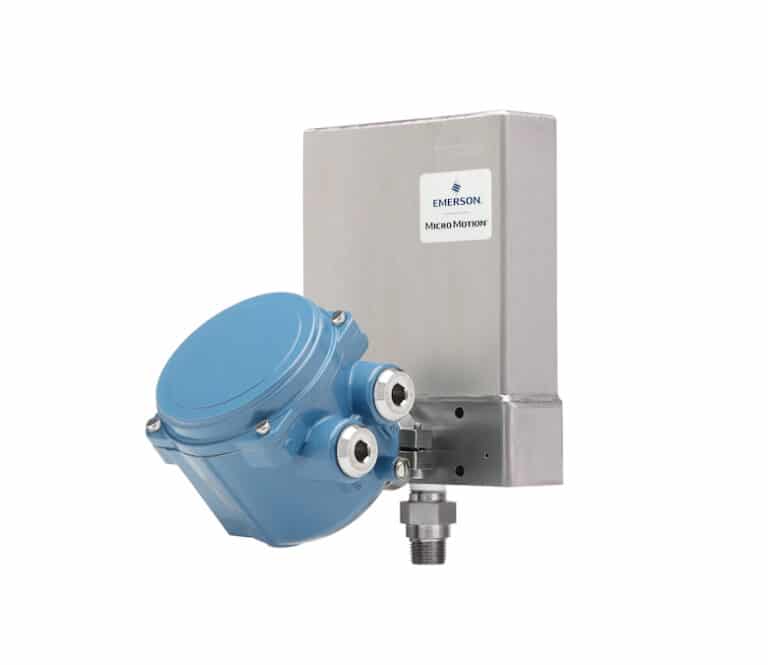
Feedwater, steam, cooling water and fuel flow all need measurement, from differential pressure and vortex meters on steam to ultrasonic and magnetic meters on water. Heat rate and efficiency calculations are only as good as those readings. More in Flow Control and Measurement.
Why is level control critical in a steam cycle?
Drum level is one of the classic safety and control loops: too low and the tubes overheat, too high and water carries over into the turbine. Three element control combines drum level, steam flow and feedwater flow to keep it stable during load changes. More in Level Control and Measurement.
Which valves are used in power plants?
Turbine control and stop valves, high pressure bypass valves, feedwater regulating valves and safety relief valves all work at severe pressure drops and temperatures. Trim design and material choice decide whether a valve survives cycling or erodes within a season. More in Process and Control Valves.
How is pressure controlled in a power plant?
Pressure control runs from the boiler drum through the steam header to the condenser vacuum, and it decides both efficiency and safety. Plants that follow a fluctuating grid cycle far more often than they were designed for, which puts extra load on pressure parts and instruments. More in Pressure Control and Measurement.
How is water chemistry monitored in power generation?
Online conductivity, pH, dissolved oxygen, sodium and silica measurement protect boiler and turbine against corrosion and deposits. A chemistry excursion that goes unnoticed for hours can cost far more than the analyser that would have caught it. More in Process Gas and Liquid Analytical Systems.
How do I find an equipment manufacturer for power generation?
Use the Manufacturers Directory A–Z or the Equipment Guide. Partner profiles carry direct contact details; other listings link to the company website.
Can I ask a technical question before I buy?
Yes. Ask the Expert puts your question to a field expert active in Power Generation. The answer comes back to you by e-mail; when we publish it, other readers benefit too.