




Badger Meter offers a range of powerful and customizable solutions for industrial wastewater management. Available through the BlueEdge® portfolio and designed to deliver accurate and reliable insight into critical processes, these leading-edge technologies provide simple and low maintenance operation that enhance operations and promote regulatory compliance. Discover more
Leveraging Real-Time Monitoring for Industrial Wastewater Management
When industrial growth within the Metropolitan Municipality of Kocaeli, northwest Turkey, placed significant strain on the existing sewage networks, the municipality faced increasing pressure to monitor and control the quality of effluent from industrial sites to prevent contamination of both natural waterways and the municipal sewage system. Fluctuations in wastewater quality due to varying pollutant loads, chemical compositions and flow rates meant that many industries were struggling to comply with strict legal discharge limits. This made it extremely difficult to maintain compliance and frequently led to heavy fines and legal penalties. As a consequence, the Municipality required a comprehensive solution to monitor and control industrial wastewater discharges.
Working with the experts at Badger Meter, they were able to utilize a range of Water Quality Spectrometer Probes to measure pH, conductivity and Dissolved oxygen. To further enhance system capabilities, the spectro::lyser V3 Spectrometer Probe was installed to deliver accurate and chemical free analysis of TSS and COD. The addition of the con::cube V3 IoT Terminal, which integrates seamlessly with SCADA or central database systems, provides full control over system diagnostics and enhanced data management, creating an efficient monitoring system that supports regulatory compliance, reduces the risk of pollution events and helps industries better manage wastewater treatment across the region. Read the full story here.
Seeing the Unseen: How Flow and Turbidity Data Reveal Hidden Risks
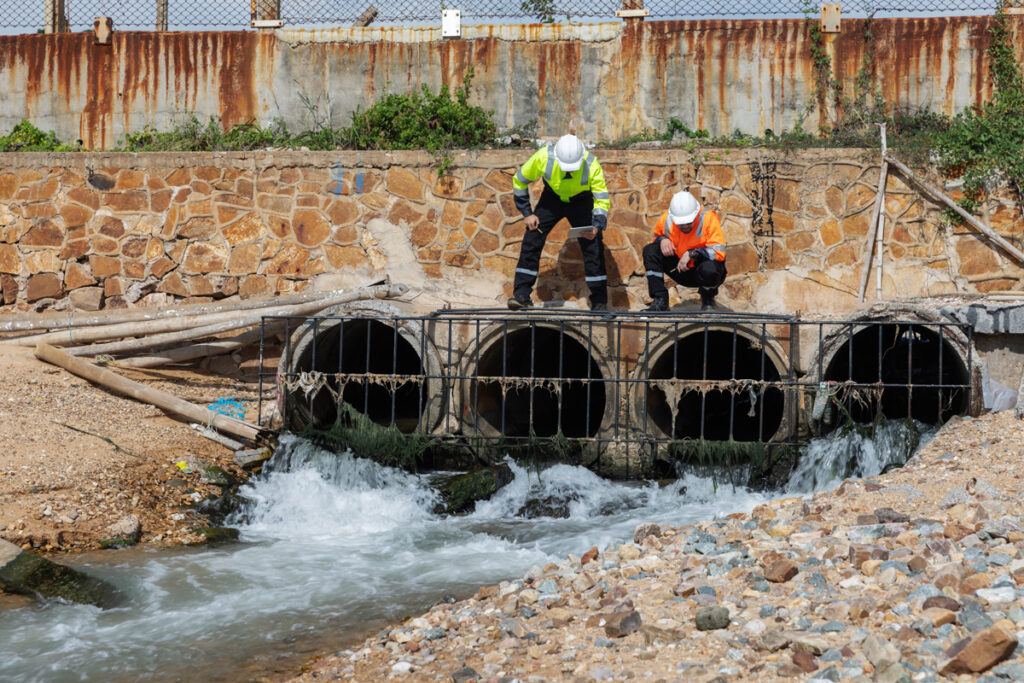
For industrial sites that produce significant quantities of wastewater, keeping a close eye on the quality and quantity of industrial wastewater and final effluent leaving the facility is essential, not only for regulatory compliance but also for maintaining operational control and financial performance. Monitoring flow rates and turbidity at the point of discharge can help operators detect pollutants and choose appropriate pre-treatment, maintaining compliance and avoiding costly damage to downstream infrastructure, their corporate reputation and the environment.
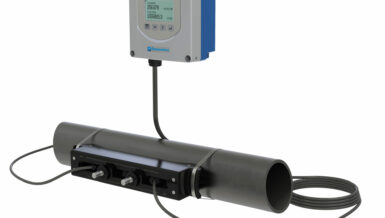
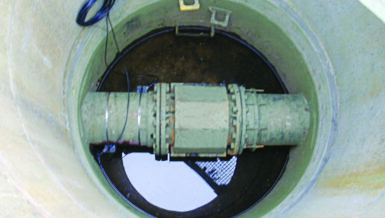
Non-contact and ultrasonic flow measurement solutions are commonly used in industrial wastewater applications to measure level, velocity and volumetric flow in both closed pipes and open channels such as weirs and flumes. Solutions such as the Dynasonics® IS-4000 Open Channel Flow Meter use ultrasonic level sensing to calculate flow rate and total volume, supporting accurate tracking of discharge and system behavior. Water quality monitoring technologies provide insight into effluent composition, with turbidity acting as a key indicator of suspended solids and overall treatment performance. Turbidity analyzers, such as the Q46/76 Turbidity Monitor, enable continuous, measurement across a range of applications where precise monitoring is required.
With the capability to deliver accurate data in real time, these solutions support billing accuracy, help facilities meet discharge limits and provide visibility into treatment effectiveness. They also enable operators to identify inefficiencies across the facility, reducing risk and optimizing operations. Continue reading here.
Cleaner Water, Safer Air: A Smarter Approach to Industrial Wastewater
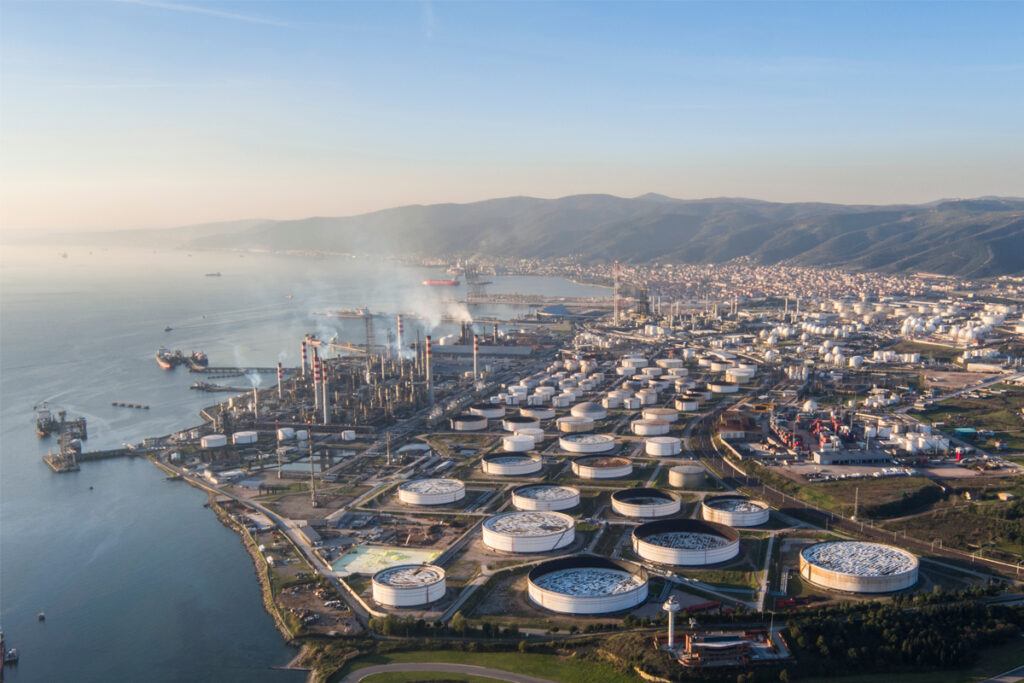
Industrial wastewater treatment presents complex operational and safety challenges. Maintaining stable water treatment performance while managing hazardous gas requires continuous visibility of both process conditions and facility safety. Integrated monitoring strategies that combine water quality insight with gas detection help operators maintain compliance, protect assets and respond quickly to changing conditions.
Treatment processes within industrial facilities can generate hazardous gases, making gas detection essential. Gases such as hydrogen sulfide, methane, chlorine and ammonia are often released as a byproduct of wastewater treatment and introduce additional safety and environmental risks. Without proper detection, these gases can pose serious health hazards, damage equipment and contribute to odor complaints that affect community trust.
To manage these risks, facilities commonly deploy fixed gas detection systems, such as the D12 Toxic and Combustible Gas Detector, to provide continuous monitoring across critical treatment areas. These systems help operators identify hazardous conditions early and respond before leaks escalate into safety or operational issues.
Industrial facilities must manage both complex wastewater chemistry and potential gas hazards within their treatment systems and operators are under increasing pressure to validate discharge performance and maintain safe operating conditions in real-time. As a result, many facilities are adopting more integrated monitoring strategies that combine online sensors, connectivity and automated analytics to improve visibility across treatment processes and streamline oversight. Click here to learn more.