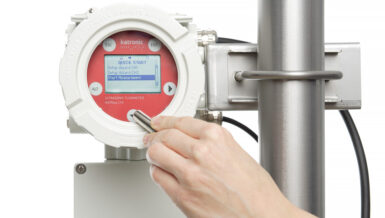




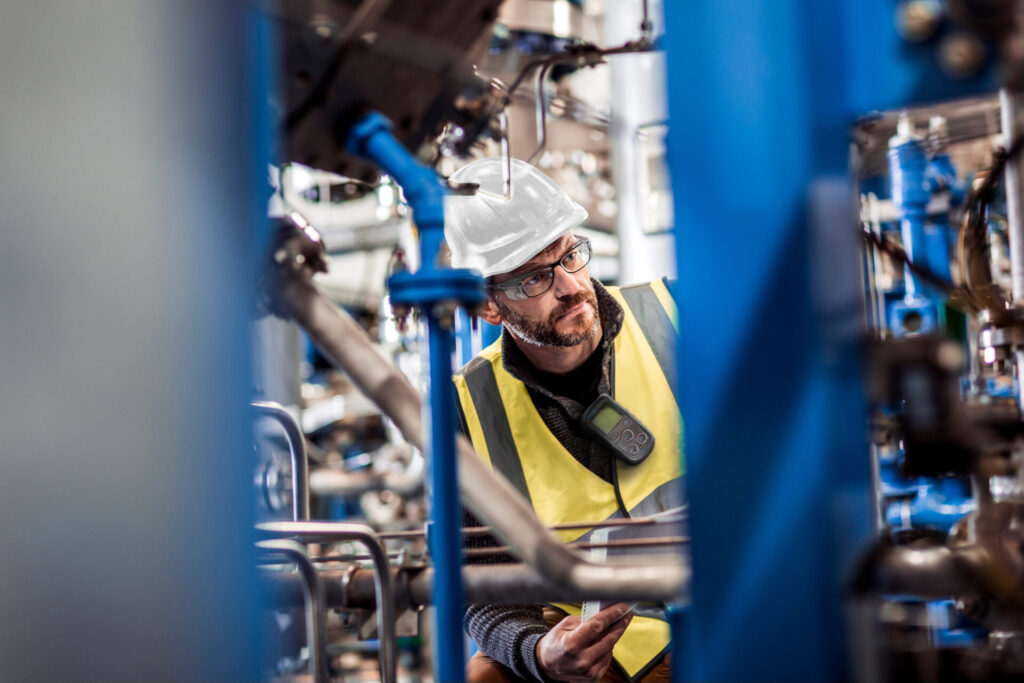
Ask any plant engineer what the most under-appreciated instrument in their facility is, and the answer is often the flow meter. Tucked into pipelines and process skids, these devices have historically done their job quietly, logging volumes and rates with little fanfare. But something significant is happening in the flow control and measurement sector, and it is forcing the industry to re-evaluate what a flow meter actually is — and what it can do.
The global flow meters market, valued at around USD 10.5 billion in 2026, is on a trajectory toward USD 15.5 billion by 2032. The flow control market is growing even faster, forecast to reach USD 11 billion by 2031 at a compound annual growth rate above 10%. These are not the numbers of a mature, steady-state industry. They reflect a sector undergoing genuine transformation — driven by digitalization, sustainability pressures, and the demands of Industry 4.0.
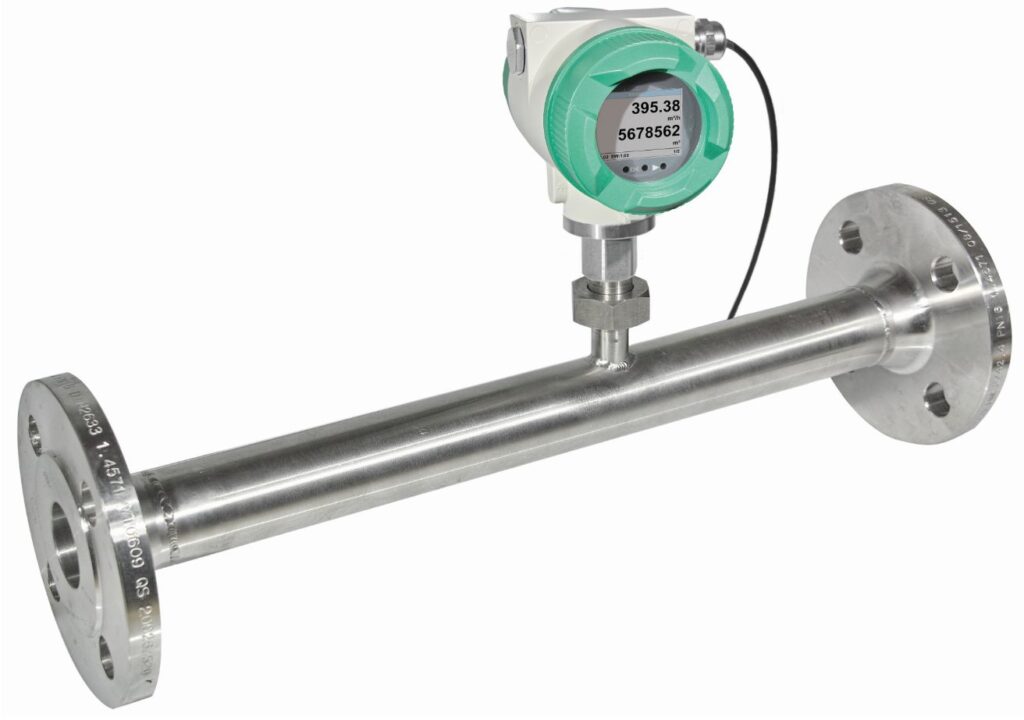
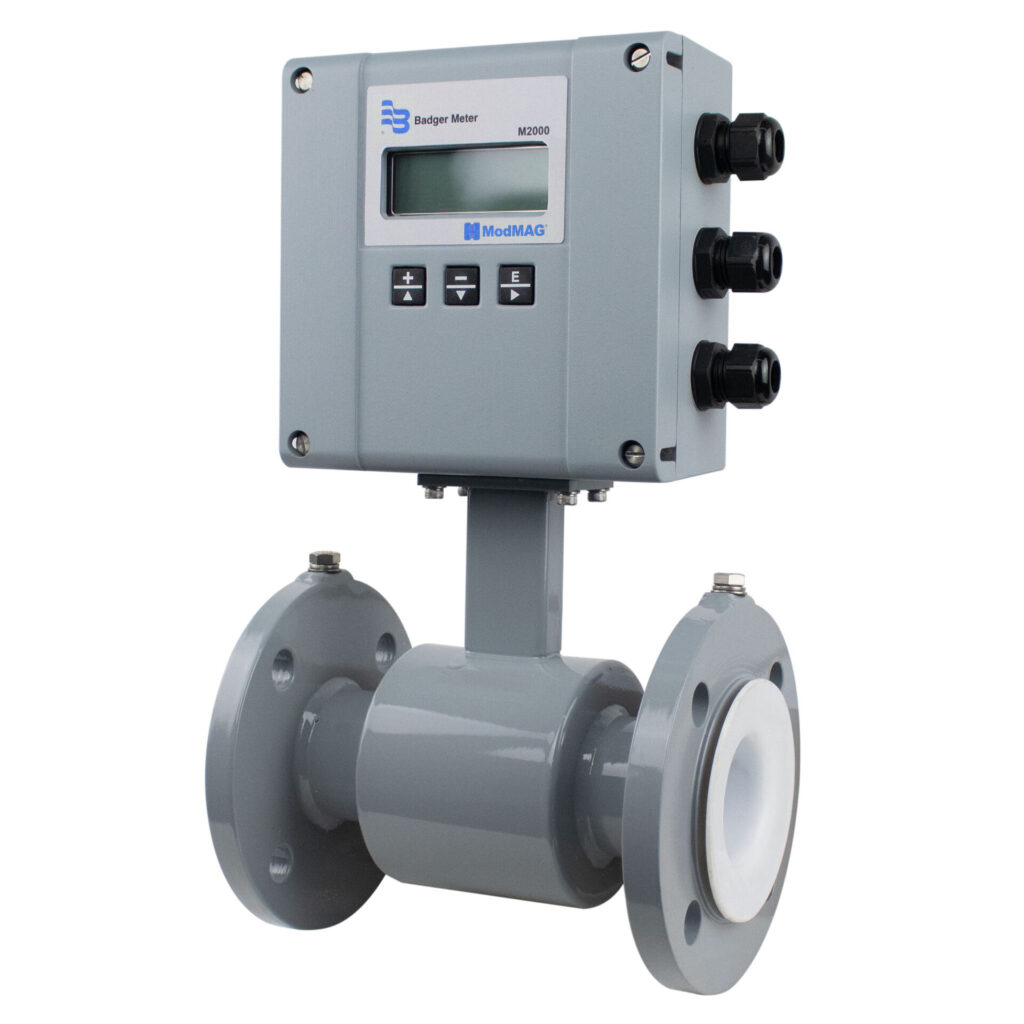
The central shift is this: flow measurement is becoming flow intelligence. And for operators, engineers, and procurement teams in fluid handling, understanding that shift is no longer optional.
The End of the Isolated Instrument
Traditional flow meters were largely standalone devices. They measured, they displayed, and — if you were lucky — they transmitted a 4-20 mA signal to a control room. The data they produced was accurate enough, but largely reactive. Operators checked readings. Technicians calibrated on a schedule. Problems were discovered after they occurred.
Today’s intelligent flow meters do something fundamentally different. They integrate digital communication protocols — HART, Modbus, Foundation Fieldbus, Industrial Ethernet — and connect directly into SCADA systems, distributed control systems, and increasingly, cloud-based analytics platforms. The meter becomes a continuous data stream, not a periodic reading.
The practical consequence is significant. Real-time telemetry combined with AI-driven diagnostics can reduce unscheduled downtime by as much as 30%, according to industry analysis. In chemical and petrochemical environments, where grade yields depend on tight flow accuracy, that is not a marginal improvement — it is the difference between a profitable run and a scrapped batch.
Modern intelligent meters also increasingly measure more than just flow. Multi-variable devices now simultaneously capture temperature, pressure, density, and viscosity from a single installation point. For complex processes that previously required multiple instruments — and multiple calibration events — this simplification has real operational value.
“The flow meter is evolving from a measurement device into a diagnostic platform. The question is whether plant operators are ready to make use of what it is now telling them.”
Retrofit, Don’t Replace: The Practical Case for Intelligent Upgrades
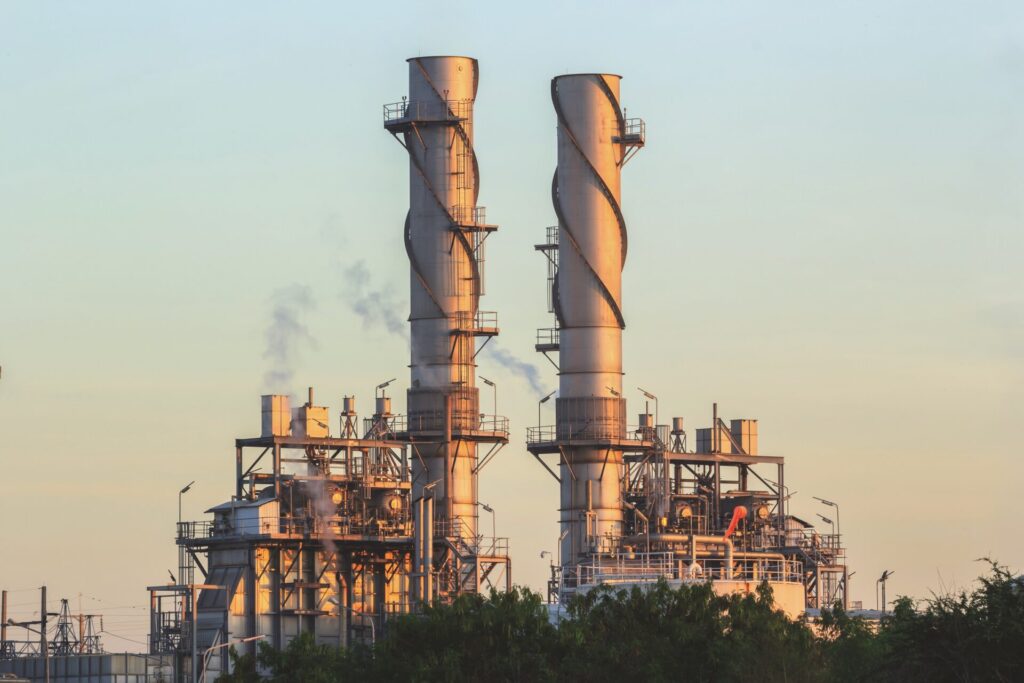
One of the most significant dynamics in the current market is the retrofit opportunity. Mature industrial plants — refineries, chemical facilities, water treatment works — represent an enormous installed base of legacy measurement hardware. Full replacement is rarely economically justified. But incremental upgrading of critical measurement points with smart, connected devices is increasingly the preferred path.
Manufacturers are responding to this reality. Sensor-rich electric assemblies designed to slot into existing pneumatic and hydraulic control loops are becoming standard offerings. Cloud dashboards give facility managers immediate visibility into energy consumption and maintenance metrics without requiring wholesale infrastructure changes. The retrofit model lowers capital expenditure while delivering the operational data that modern plant management demands.
Non-intrusive sensing technologies — particularly magnetic and ultrasonic meters — are gaining share in retrofit scenarios precisely because they require no pipe cutting, no process interruption, and no product contamination risk. In hygiene-critical industries such as food and beverage, pharmaceuticals, and biopharma, this matters enormously. The ability to verify flow without breaking containment is not just convenient; in many applications it is a regulatory requirement.
Sustainability Is Driving Measurement Specifications Upward

Environmental regulation is playing an increasingly direct role in measurement technology choices. The updated EU Urban Wastewater Treatment Directive, which targets a 90% water reuse rate by 2030, is pushing utilities and industrial parks to deploy high-accuracy magnetic flow meters and variable-speed pumps in closed-loop systems. Continuous flow telemetry at every stage of a water treatment process is no longer aspirational — it is becoming a compliance requirement.
Beyond water, emissions monitoring across chemical and energy sectors is placing new demands on flow measurement accuracy. The ability to detect and report even small deviations — leaks, drift, process inefficiencies — is increasingly tied to environmental reporting obligations. Meters that previously needed only to be ‘accurate enough’ must now be demonstrably calibrated, traceable, and audit-ready.
This is also changing procurement conversations. End users are no longer evaluating flow meters purely on unit price or pressure rating. They are asking about calibration traceability, digital certificate management, and integration with environmental compliance reporting systems. Suppliers that cannot speak fluently to these requirements are finding themselves at a disadvantage in tender processes.
The Cybersecurity Blind Spot
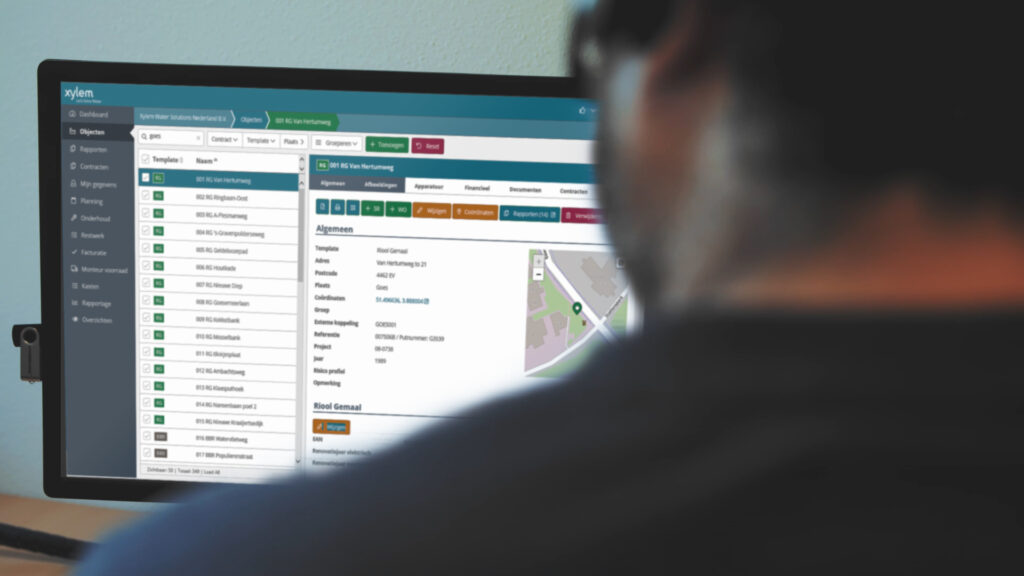
Connectivity brings capability, but it also brings risk. Industrial control system security advisories increased by 34% in 2024, and flow devices with legacy communication stacks have appeared on published exploit lists. As flow meters become networked nodes, they inherit the vulnerabilities of networked systems.
The industry is responding. Leading vendors are embedding hardware roots of trust, encrypting field communications, and certifying products against secure development lifecycle standards. But the pace of adoption is uneven, and many plants are running smart instruments on networks that were never designed for cybersecurity.
For plant operators and systems integrators, this represents both a risk and an opportunity. The organisations that take network segmentation and device authentication seriously now will be better positioned as regulatory scrutiny of industrial cybersecurity tightens — as it undoubtedly will. The organisations that treat it as someone else’s problem may find themselves managing incidents rather than preventing them.
What This Means for the Broader Industry
The transformation of flow measurement from a passive data collection activity to an active process intelligence function has ripple effects across the entire fluid handling ecosystem.
For pump manufacturers and valve suppliers, it means their products increasingly need to communicate. Buyers want systems that talk to each other — flow meters that inform variable-speed pump controllers, pressure sensors that trigger valve adjustments automatically. The siloed component sale is giving way to the integrated system sale.
For distributors and service providers, it means that technical support now extends into software and data. A field technician who can only calibrate hardware is less valuable than one who can also configure HART communication, set up predictive maintenance alerts, and integrate a meter into a plant historian.
And for plant operators themselves, it means that the data dividend from modern flow measurement is only realised if someone is actually using it. The biggest risk in the current upgrade cycle is not under-investment in smart devices — it is over-investment in hardware without the process expertise or analytical capability to act on what those devices are reporting.
The Flow Meter as a Strategic Asset
Flow measurement has always mattered. What is changing is the depth to which it matters — and the breadth of industrial decisions it can now inform. From energy efficiency and environmental compliance to predictive maintenance and process optimisation, the modern intelligent flow meter sits at the intersection of nearly every operational priority facing the process industries in 2026.
The technology has largely arrived. The communication protocols are standardised. The analytics platforms are available. What remains — and what will separate the operations that capture value from those that do not — is the organisational willingness to treat flow measurement data as a strategic input rather than an operational footnote.
The flow meter is no longer just a gauge on a pipe. The industry that grasps that first will have a measurable advantage.