



For this reason, modern plants rely on multi level safety concepts that combine continuous level measurement, independent limit level detection and transparent process monitoring.
Precise level data as the basis for safe processes
Reliable level information enables:
- optimal utilisation of tank capacities
- prevention of overfilling and dry running
- stable process control
- protection of the environment and plant equipment
- reduction in maintenance and inspection efforts
Liquids that generate foam, vapour, or aggressive chemical environments require sensors that deliver stable measurement results even in extreme operating conditions.
Multi level safety concepts for tanks and vessels
In safety-critical applications, a clear functional separation is usually established.
- Continuous level measurement – Provides the foundation for process control and inventory monitoring.
- Point level detection for overfill protection – Independent sensors detect critical levels and activate alarms or shutdown functions.
- Visualisation and diagnostics – Local displays and digital tools increase transparency and simplify plant operation.
Continuous measurement using non contact radar technology
Radar sensors for continuous liquid level measurement, such as the UWT NivoRadar® series, have proven particularly effective in demanding applications. They operate contactlessly and are therefore resistant to:
- aggressive media
- high temperatures and pressures
- vapour and condensation
- changes in density or conductivity
- wear caused by chemical influences
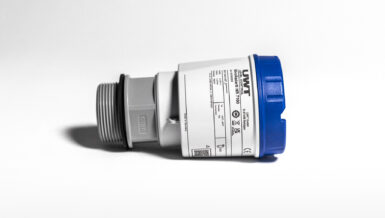
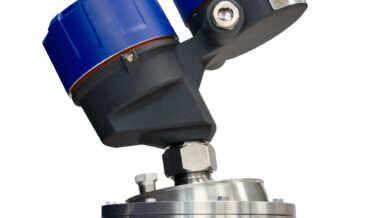
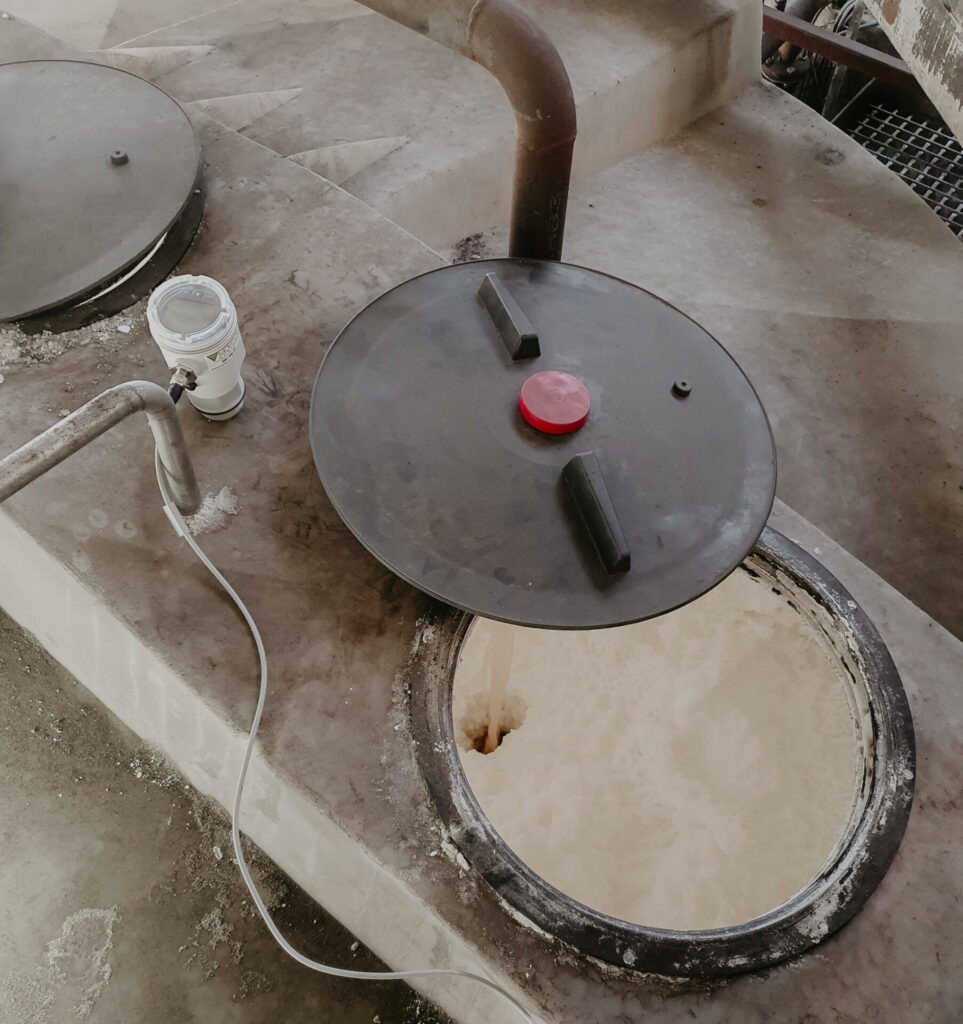
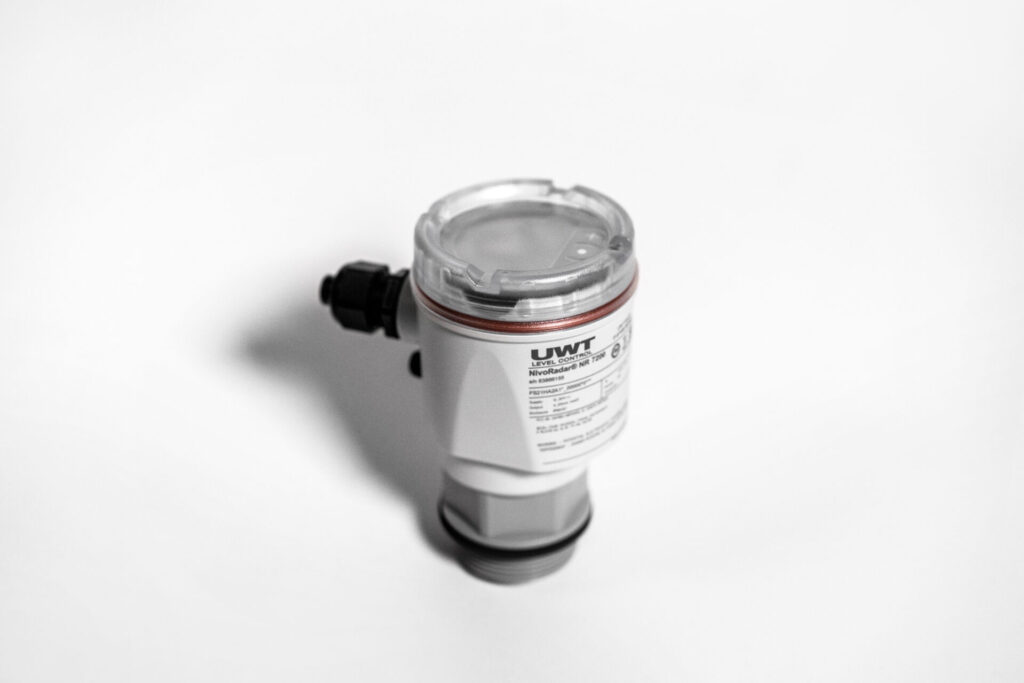
One example of this technology is the non-contact 80 GHz radar sensor NivoRadar® NR 7200. Its high signal dynamics and narrow beam angle of 8° allow reliable measurement even in the presence of internal structures, moving surfaces or foam layers. Non-contact measurement also reduces maintenance requirements and increases the service life of the system.
Point level detectors as an independent safety layer
While continuous measurement monitors and controls the process, point level detection functions as an independent safety layer for identifying critical conditions.
Robust point level switches are used in safety-critical applications because they operate reliably even under demanding process conditions and are largely unaffected by typical disturbances such as:
- material build up
- foam formation
- air bubbles, flow or turbulence
- viscous or chemically aggressive media
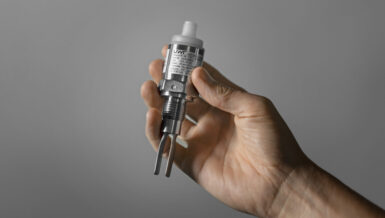
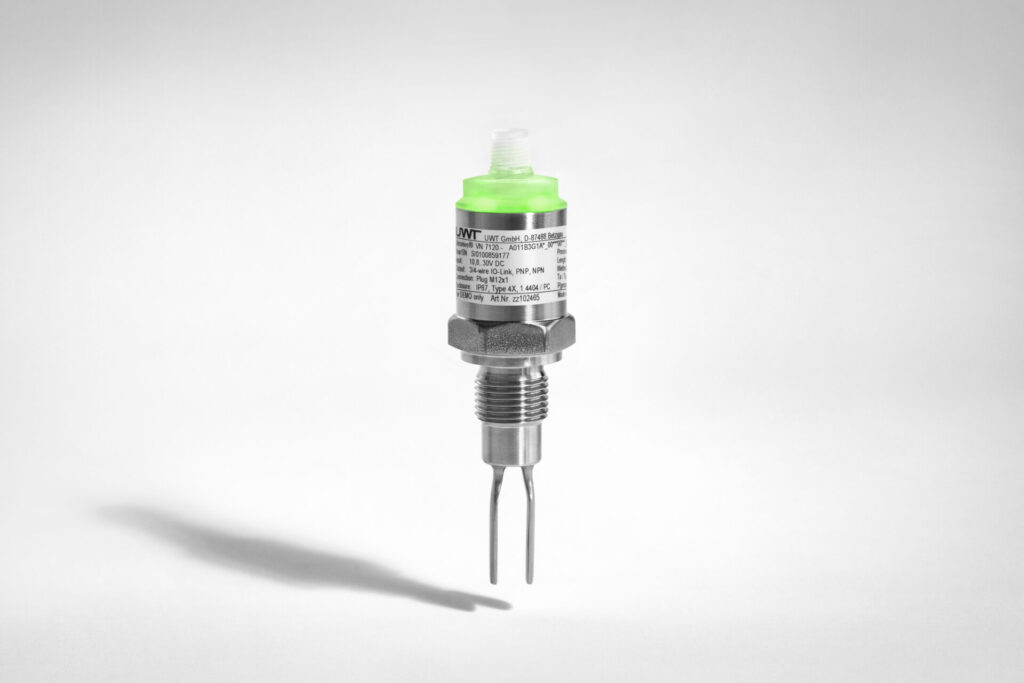
A typical example is the Vibranivo® VN 7000 series vibrating fork, which has been specifically developed for liquid applications. It can be used for example as a maximum level switch for overfill protection and, with appropriate certifications including WHG and VLAREM, complies with regulatory requirements for safety-critical installations handling water hazardous substances. Depending on the application it is available as a compact version or with pipe extensions up to 4000 mm.
Transparency via local indication and mobile visualisation
Besides the sensors themselves, visualisation plays an important role in safe plant operation. Local displays allow operators to quickly check the current level without relying on central control systems.
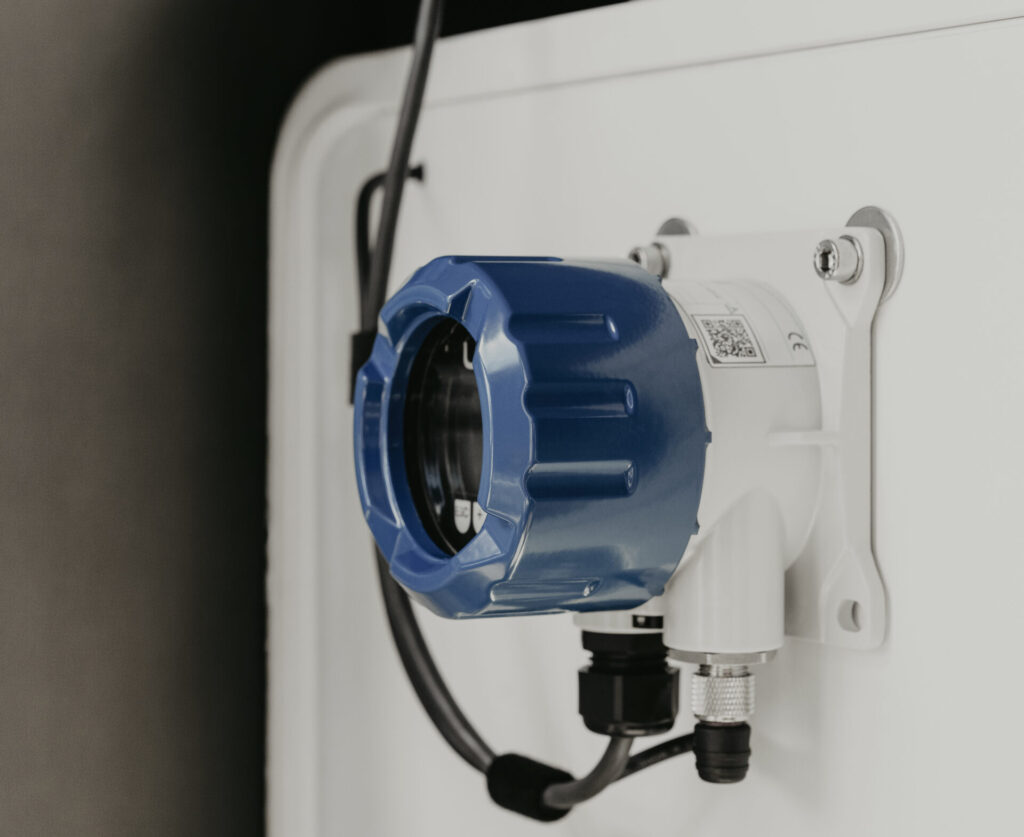
The NivoTec® NT 4900 local fill level display unit is integrated directly into the signal line and shows the sensor signal either as a current value or as a scaled process value. This creates additional transparency and provides a simple way to verify the plausibility of measurement data directly at the installation site.
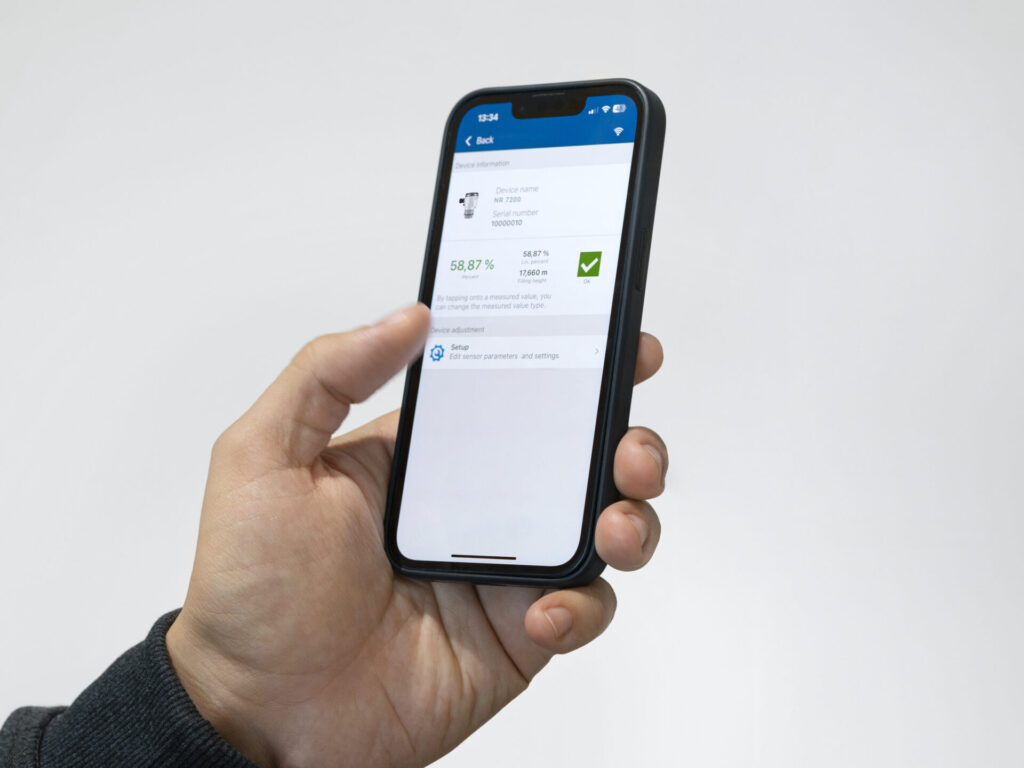
Level and additional sensor information can also be accessed wirelessly via Bluetooth using the UWT LevelApp on a mobile device. The app allows easy parameterisation and commissioning of level sensors such as NivoRadar® or NivoGuide®. Level and diagnostic data are clearly visualised, while measured values and device status are displayed directly on a smartphone or tablet so operators always have a clear overview of the current condition of the instrumentation.
Practical example: CIP caustic tank in beverage production
A practical example from the soft drink industry demonstrates how demanding liquid level measurement can be in real-world applications.
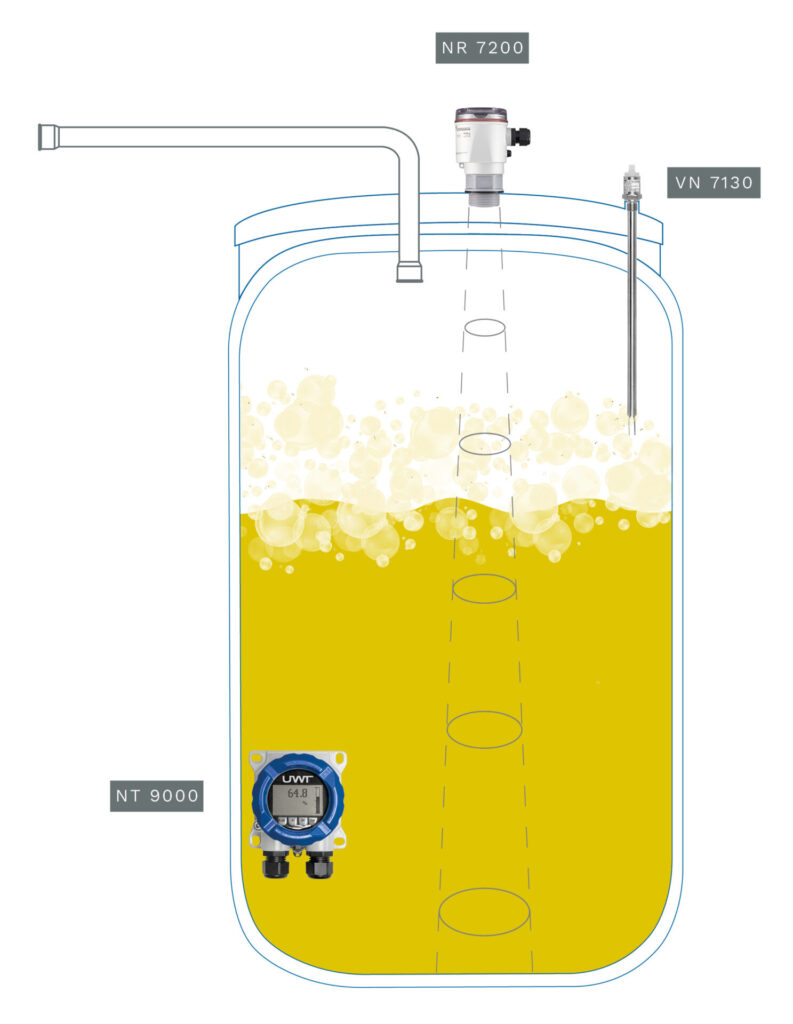
A caustic tank used for CIP cleaning processes contains a highly corrosive cleaning solution. Due to a return line, a foam layer of approximately 300 millimetres forms on the liquid surface. The previously installed measurement system cannot reliably detect the actual liquid level. The resulting unstable and implausible readings create operational uncertainty and increase manual monitoring effort.
The sensor is installed outside the tank and must detect the level through the tank wall, which poses an additional challenge for many measurement technologies.
Combination of radar and point level switch
The NivoRadar® NR 7200 radar sensor is used for continuous monitoring. It detects the actual liquid surface reliably and independently of the foam layer. The high frequency and effective false echo suppression enable clear distinction between foam and liquid.
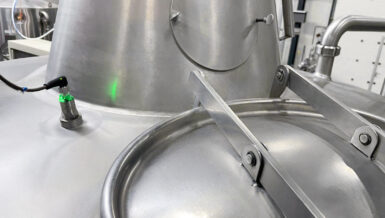
A further safety layer is provided by a Vibranivo® VN 7120 vibrating fork installed as a maximum level switch. It reliably detects when the permitted maximum level is reached and meets the requirements for overfill protection systems according to WHG and VLAREM approvals. The vibrating fork detects the presence of liquid reliably and operates largely independently of material build up, flow, turbulence, foam formation and air bubbles. This ensures precise and stable results even under demanding process conditions.
The NivoTec® NT 4900 local display additionally provides direct visualisation of the measured values on site. Operators can check the current level at any time even without access to the control room.
Redundancy increases plant and environmental safety
The combination of continuous measurement, independent limit level detection and local visualisation creates a robust safety concept. Even if one system fails or is disrupted, a protective function remains available.
This is particularly important in plants handling hazardous or environmentally critical substances where overfilling can have serious consequences.
Conclusion
Safe liquid storage requires dependable measurement and safety systems that function reliably even in challenging conditions. Foam, aggressive media and complex installation scenarios place high demands on measurement technology.
Modern solutions integrate non-contact radar level measurement, independent limit level sensors, and transparent indication and diagnostic systems within a multi-level safety concept. This reduces risks, stabilises processes, and ensures compliance with regulatory requirements.
Practical examples demonstrate that even the most demanding applications can be reliably managed using appropriate measurement technology. This is a crucial element for cost-effective, safe and environmentally sustainable plant operation.