



The Wangen Pumps BIO-ROXX module improves substrate consistency, successfully handles long fibres and removes solid contaminants effectively.
The flexibility of biogas production is a key challenge for plant operators, alongside the storage of biogas and on-demand production. By working with Wangen Pumps, Biomethan Mühlacker has implemented a pioneering concept that modernises the plant’s infeed system and allows for demand-led adjustment of substrate infeed. The resulting dynamic plant control helps to improve network stability.
Adapting to change
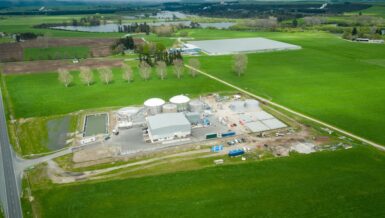
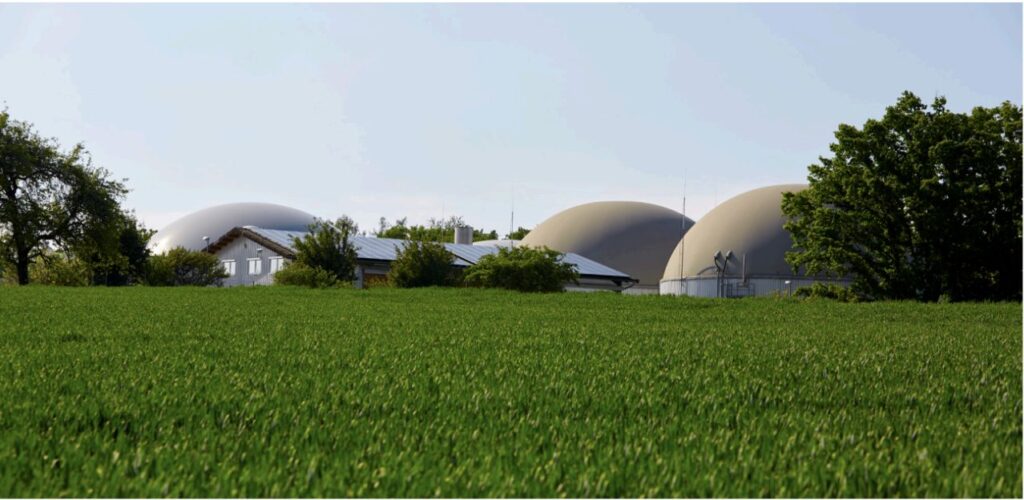
Mühlacker biomethane plant was established in 2007 as a subsidiary of the Mühlacker Department of Public Works. One of the first plants in Baden-Württemberg to incorporate its own gas preparation plant, today it is the hub of a thriving regional circular economy. The plant processes feedstock from around 120 local raw material suppliers to produce high-quality universal fertilisers for horticulture and biomethane. The treated biogas is fed directly into the public natural gas network, supporting a decentralised energy supply.
The plant generates up to 5 MW of gas power and 2 MW of electrical power, and an annual processing capacity of 30,000 tonnes of fresh material. The feedstock ranges from traditional maize silage, grass and cattle manure to straw, so the plant must be capable of handling a wide variety of substrates. This versatility is becoming more important as biological residues replace energy crops. The increased use of long-fibre substrates such as straw and manure, which often contain contaminants like stones, requires new engineering solutions.
Operators at Biomethan Mühlacker realised the existing process of using dry infeed, fed directly into the fermenter by screw conveyors, was no longer fit for purpose. Matthias Naun, Operations Manager, says: “We faced the challenge of modernising our plant, but wanted to maintain redundancy. This gave rise to the idea of switching from solid infeed to liquid infeed – uncharted territory for us at the time.”
To meet these challenges, Biomethan Mühlacker turned to Wangen Pumps, whose progressing cavity pumps had delivered excellent results elsewhere in the plant. Wangen Pumps proposed a novel solution: their new BIO-ROXX module substrate preparation system.
Innovative substrate management
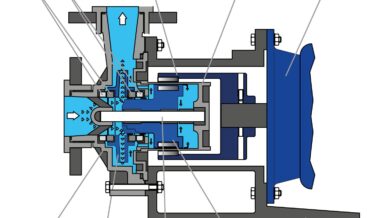
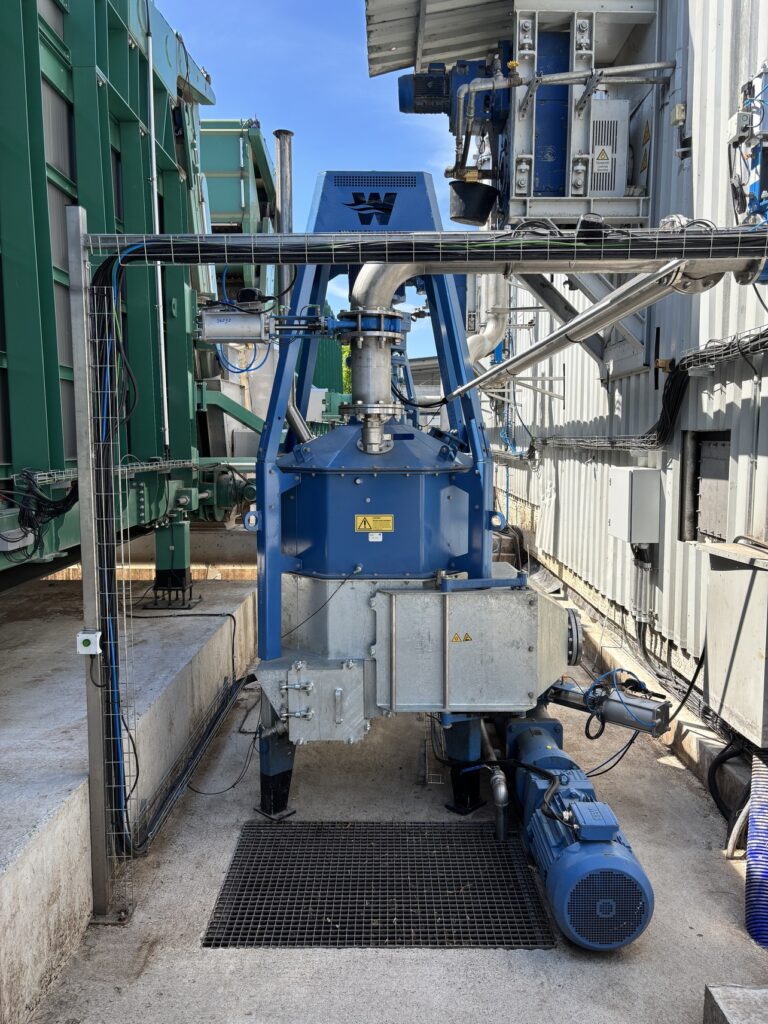
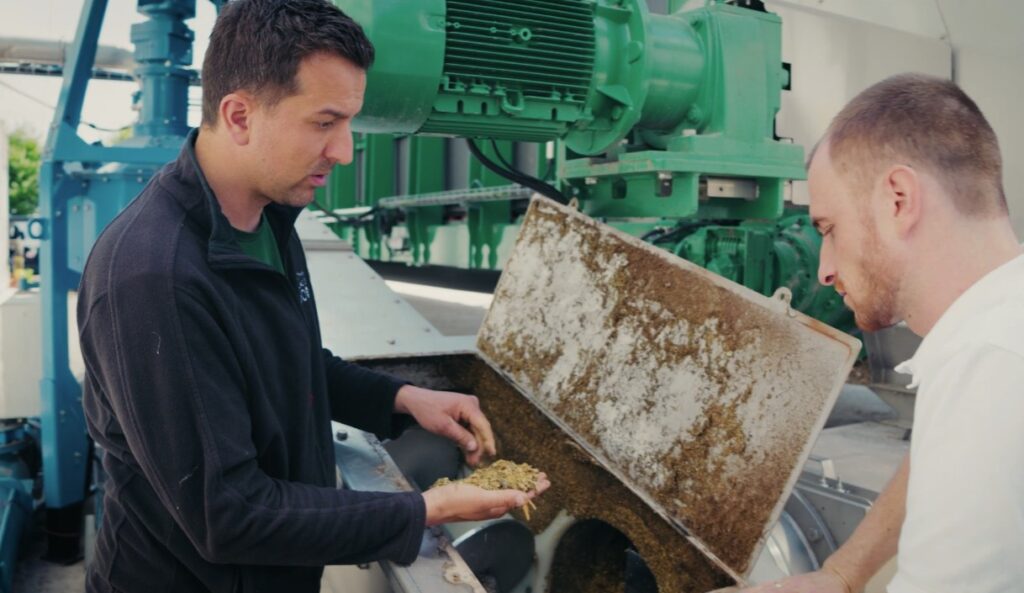
Specifically developed for the efficient treatment of solid substrates in biogas plants, Wangen Pumps’ BIO-ROXX combines technologies to homogenise the substrate and separate foreign matter. Its innovative design optimises the input for the biogas process and protects downstream equipment, such as pumps and agitators, from damage.
“The BIO-ROXX system is based on an ingenious mixing process in which an agitator ensures intensive mixing of the liquid and solid substrates, producing a homogeneous mass that can be pumped,” explains Lukas Geiger, Project Engineer at Wangen Pumps. “The system, equipped with an active stone discharge outlet, reliably removes unwanted components from the substrate before it enters the fermenter”.
The Mühlacker plant was equipped with two BIO-ROXX modules, positioned between the solids infeed and the fermenter. Solid substrates are fed in through two solids dispensers and conveyed by screws into the BIO-ROXX modules. Working in parallel, Wangen Pumps KL65 progressing cavity pump feeds digestate from the post-fermenter into the system as a liquid substrate. BIO-ROXX then mixes the two substrate phases into a homogeneous mass. Controlling the addition of the liquid substrate achieves the ideal consistency for efficient fermentation and makes further treatment easier. Finally, a Wangen KL80 discharge pump feeds the blended substrate into the fermenter.
Thanks to the close collaboration between plant operators and Wangen Pumps, the BIO-ROXX innovative mixing modules were successfully installed and the modernization of the Mühlacker plant was completed within six months with no loss of operation.
Benefits to anaerobic digestion
The BIO-ROXX module has delivered significant improvements at the Mühlacker plant, improving methane yields, achieving more uniform fermentation, and reducing the formation of floating or sinking layers in the fermenter. Low maintenance requirements are a further benefit, because BIO-ROXX has very few wearing parts.
“The BIO-ROXX project was undoubtedly a challenge, but the positive results underpin our strategic decision,” concludes Matthias Naun. “Overall, the new infeed system, which is deliberately oversized for redundancy, has significantly improved our workflows and increased our operational flexibility. We are now able to respond more effectively to changing requirements and potential faults, compensate for bottlenecks, and adapt more quickly to changes in the substrate mix – factors that increase the overall efficiency of our plant in the long term.”
Biomethan Mühlacker’s approach demonstrates how innovative technology can meet the evolving demands of sustainable energy generation. By deploying Wangen Pumps’ BIO-ROXX, the operator has achieved demand-led substrate infeed, a key factor in stabilising energy networks and enabling dynamic biogas production.