


Market
Battery & Energy Storage
Battery manufacturing and energy storage depend on fluid handling at every step. Electrode slurries, electrolytes, solvents, acids and coolants have to be mixed, pumped, dosed and measured with high accuracy and without contamination, from lithium extraction and cathode material production to cell filling, formation and recycling. Pumps, valves, flow meters, mixers, filtration and analytical systems determine the quality, safety and cost of every battery cell and storage system.
All articles in this market
Battery & Energy Storage — page 1 of 2









Promoted videos
Battery & Energy Storage in action
Ask the Expert
Ask a battery & energy storage expert — free
Engineers and product specialists who answer technical questions from readers. The answer comes back to you by e-mail; when we publish it, other readers benefit too.
 Dominik Hegen
HERMETIC-Pumpen GmbH
A pump is more than just rotary equipment. It is the promise to solve a pumping task safely and reliably. In his…
Ask a question Kyle Daniels
Clarke Valve
Kyle Daniels, CEO, is an Aerospace Engineer and the inventor, Chief Engineer, and Head of Product Design of the Dilating Disk Valve™,…
Ask a question Erik van den Bosch
Teledyne Gas & Flame Detection
A question on your Gas & Flame Detection needs ? Erik will guide you through the different solutions to protect your personnel…
Ask a question Dietmar Saecker
Endress+Hauser AG
Dietmar Saecker is temperature measurement expert at Endress+Hauser in Nesselwang, Germany. His experience covers technical sales support, consulting for difficult temperature measurement…
Ask a questionSubscribe to our E-newsletters
Questions and answers
Frequently asked about battery & energy storage
What is the battery and energy storage industry?
The battery and energy storage industry covers the whole value chain from raw materials to recycling: lithium, nickel and cobalt extraction and refining, precursor and cathode active material (pCAM and CAM) production, electrode slurry mixing and coating, cell assembly and electrolyte filling, formation, pack assembly, stationary battery energy storage systems (BESS) and flow batteries, and finally black mass recovery and hydrometallurgical recycling. Each step is a fluid process: slurries, solvents, acids, electrolytes and coolants have to be moved and controlled with high accuracy and without contamination. Fluid Handling Pro follows the pumps, valves, instrumentation and mixing technology behind it.
Battery manufacturing technology
In battery manufacturing, electrode slurries with a high solids content are mixed, deaerated and pumped pulsation-free to the coater; progressing cavity, peristaltic and rotary lobe pumps are the usual choice. Electrolyte filling demands precise dosing of aggressive, moisture-sensitive liquids under a dry atmosphere, where micro gear pumps, mass flow controllers and compact valves are used. Solvents such as NMP are recovered and reused, cathode materials are precipitated in corrosive media, and silicon anodes are produced with precisely dosed process gases. Fluid handling equipment in a gigafactory is selected for abrasion resistance, chemical compatibility, cleanability and traceable accuracy.
Water treatment in battery manufacturing
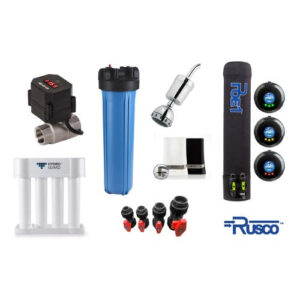
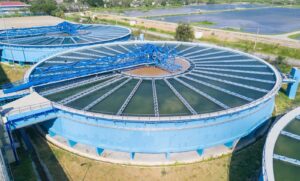
Battery plants need large volumes of ultrapure and demineralised water for electrode slurries, washing, cooling and formation, and they produce wastewater with metals, solvents and fluorides that must be treated before discharge. Lithium extraction and recycling plants work with brines, leach solutions and precipitation steps that rely on filtration, dosing and reliable flow measurement. See also our Water Processing and Wastewater Processing markets.
Battery industry news
On this page you find the latest news, case studies and innovations from manufacturers of pumps, valves, flow meters, mixers, hoses, analytical systems and filtration for the battery and energy storage industry: new gigafactories and recycling plants in Europe, Asia and North America, electrolyte filling and slurry handling solutions, dry room humidity control, battery recycling technology and thermal management of battery energy storage systems. Subscribe to the Fluid Handling Pro Weekly E-Update to receive the battery news in your inbox.
Fluid control in battery production
Fluid control in battery production ranges from on/off and control valves in PFA, PVDF or stainless steel for acids, alkalis and metal sulfates in cathode material plants, to diaphragm and pinch valves for abrasive slurries and compact valve systems for electrolyte dosing. Leak-free, low dead-volume designs prevent contamination and protect operators from toxic and flammable media. Our Process and Control Valves technology zone covers the valve technology used from material production to recycling.
Level measurement in battery production
Level measurement keeps slurry tanks, solvent and electrolyte storage, acid and caustic tanks and water systems in a battery plant under control. Radar and guided wave radar sensors handle foaming slurries and aggressive chemicals without contact, while point level switches protect pumps against dry running and tanks against overfill. Explosion protection is often required around solvents such as NMP and around electrolyte handling. More in our Level Control and Measurement technology zone.
Flow measurement in battery production
Accurate flow measurement determines the quality of every battery cell. Coriolis mass flow meters measure slurry and binder flows to the coater, thermal mass flow controllers dose process gases for anode and cathode material production, and gear and oval gear meters measure adhesives and thermal interface materials during pack assembly. Electrolyte filling systems combine flow measurement with pressure control to fill each cell with the exact volume. Our Flow Control and Measurement technology zone shows the instruments used.
Temperature control in battery production and energy storage
Temperature control runs through the entire battery value chain: cooling of slurry mixers, drying of coated electrodes, solvent recovery, formation and ageing chambers, and the liquid cooling circuits of battery energy storage systems and electric vehicle packs. Heat exchangers, chillers, coolant pumps and temperature sensors keep processes and cells within narrow limits for safety and lifetime. See also our Temperature Control and Measurement technology zone and the Data Centers & Liquid Cooling market for liquid cooling technology.
Which pumps are used in battery manufacturing?
Progressing cavity pumps and rotary lobe pumps transfer high-viscosity, abrasive electrode slurries pulsation-free to the coating line. Peristaltic hose pumps handle precursor slurries, lithium brines and recycling leach solutions without seals. Magnetically coupled and canned motor pumps move electrolytes, NMP and other solvents leak-free, and micro gear pumps dose electrolyte into cells. For hydrometallurgical recycling, chemical process pumps in corrosion-resistant materials handle acids, caustics and metal salt solutions.
How are battery cells filled with electrolyte?
Electrolyte filling takes place in a dry room or glove box, because the electrolyte reacts with moisture. The cell is evacuated, a precisely metered volume of electrolyte is dosed under pressure or vacuum, and the cell is left to wet before sealing. Dosing accuracy, repeatability and compatibility of all wetted materials with the carbonate solvents and lithium salts decide the quality of the cell. Micro gear pumps, dosing valves, mass flow controllers and pressure regulation are the core fluid handling components of a filling station.
Why is humidity control critical in battery production?
Lithium-ion, sodium-ion and solid-state cells are assembled in dry rooms with dew points of minus 40 to minus 60 degrees Celsius. Moisture in the electrode or electrolyte creates hydrofluoric acid, gas formation and capacity loss. Dew point and humidity sensors in dry rooms, booths and glove boxes, together with gas analysers in process gases, protect yield and safety and keep the energy consumption of the dehumidification under control. Our Process Gas and Liquid Analytical Systems technology zone covers this instrumentation.
How are batteries recycled?
End-of-life batteries are discharged, dismantled and shredded into black mass, a powder containing lithium, nickel, cobalt, manganese and graphite. In hydrometallurgical recycling the black mass is leached in acid, the solution is filtered and purified, and the metals are recovered by extraction and precipitation as battery-grade salts. Pumps, valves, filtration, mixing and level and flow instrumentation in corrosion-resistant materials make this process reliable and safe. Recycling capacity is growing fast in Europe to meet the EU Battery Regulation.
What is a battery energy storage system (BESS)?
A battery energy storage system stores electricity from the grid or from solar and wind parks in containerised battery racks and delivers it back when needed. Large systems use liquid cooling to keep the cells within their temperature window; coolant pumps, valves, quick connectors, heat exchangers and flow and temperature sensors keep the thermal management reliable. Flow batteries store energy in liquid vanadium or organic electrolytes that are pumped through stacks, making pumps and valves part of the storage technology itself.
Which fluids are handled in a battery plant?
A battery plant handles anode and cathode slurries with binders and conductive additives, solvents such as NMP and water, electrolytes based on carbonate solvents and lithium salts, acids, alkalis and metal sulfate solutions for cathode material production, adhesives and thermal interface materials for pack assembly, coolants for formation and thermal management, and process gases. Most of these are abrasive, corrosive, toxic, flammable or moisture-sensitive, which is why material selection, leak-free design and accurate dosing are central in every fluid handling decision.
How do I find an equipment manufacturer for battery & energy storage?
Use the Manufacturers Directory A–Z or the Equipment Guide. Partner profiles carry direct contact details; other listings link to the company website.
Can I ask a technical question before I buy?
Yes. Ask the Expert puts your question to a field expert active in Battery & Energy Storage. The answer comes back to you by e-mail; when we publish it, other readers benefit too.