






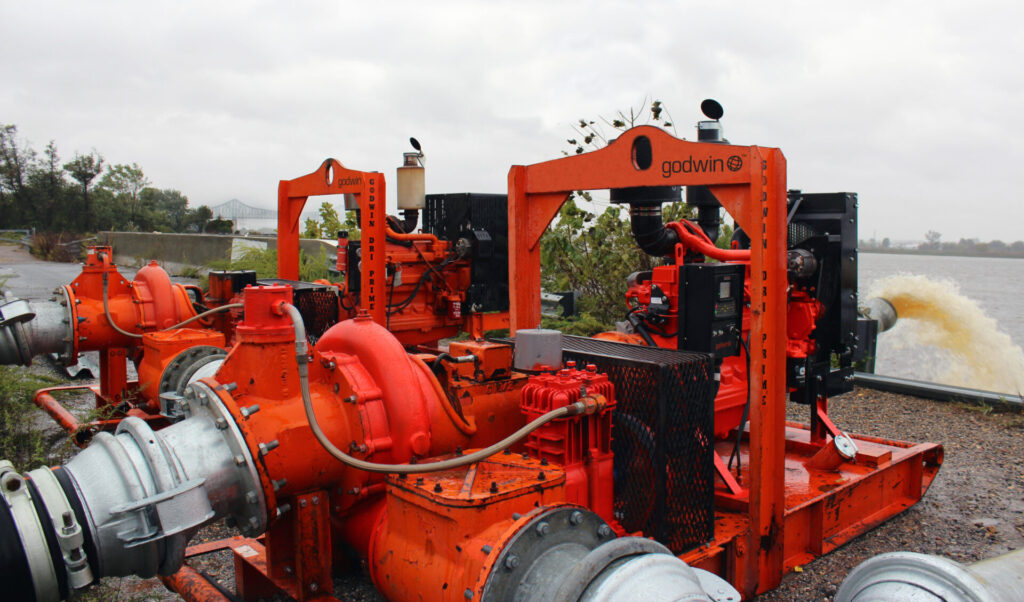
From older Stage III equipment to the latest Stage V machines, clean diesel is not just a technical requirement—it is a direct driver of uptime, cost control, and asset longevity.
The Cost of Contamination
Many of the most common engine issues—injector wear, blocked filters, pump failures, and after-treatment faults—can be traced back to contaminated fuel. Water, dirt, and microbial growth disrupt combustion and damage precision components, leading to:
- Rough running and hard starts
- Frequent filter changes
- Injector and pump damage
- DPF and SCR system faults
- Increased maintenance costs and unplanned downtime
For operators, this quickly escalates from a maintenance issue to an operational risk.
Why Stage V Raises the Stakes
Today’s Stage V engines rely on high-pressure common-rail systems with extremely tight tolerances. Injector clearances can be as small as 2–5 microns—meaning even tiny particles can cause serious damage.
At the same time, advanced after-treatment systems demand clean combustion to function properly. Poor fuel quality doesn’t just reduce performance; it can trigger system failures and compliance issues.
Simply put, modern engines leave no room for poor fuel.
The Real Problem Starts in Storage
Fuel contamination often doesn’t come from the supplier—it starts in your own storage. Long storage times, temperature fluctuations, and poorly maintained tanks allow water and dirt to enter the system.
This creates ideal conditions for microbial growth, or “diesel bug,” where bacteria and fungi produce sludge and acids that block filters, corrode tanks, and damage injectors.
The key trigger is water. Remove it, and the problem is largely prevented.
Why Standards Alone Are Not Enough
Many operators assume that fuel meeting EN 590 standards is clean enough. In reality, this specification controls contamination by mass—not by particle size.
Modern engines, however, are sensitive to particles as small as 4 microns. That’s why OEMs typically recommend ISO 4406 cleanliness levels around 18/16/13 or cleaner—often significantly higher than what is delivered.
Compliance does not guarantee protection.
A Simple Shift with Big Impact
Maintaining clean diesel doesn’t require complex solutions—but it does require discipline. Best practices include:
- Keeping tanks full to reduce condensation
- Draining water regularly
- Using proper filtration and tank breathers
- Rotating fuel to avoid long storage
- Applying preventative treatment where needed
These small steps can prevent major failures, extend equipment life, and significantly reduce operating costs.
The Bottom Line
Clean diesel is more than a fuel quality issue—it is a reliability strategy.
In an environment where downtime is costly and performance expectations are high, the difference between clean and contaminated fuel can define operational success.
Because when fuel fails, everything else follows.