


Technology Zone
Piping, Hoses and Couplings
Piping, hoses and couplings connect every pump, valve and vessel in the plant. This zone covers pipes and fittings, industrial hoses, quick couplings, loading arms, expansion joints and the supports, insulation and heat tracing that keep them running.
All articles in this zone
Piping, Hoses and Couplings — page 8 of 8
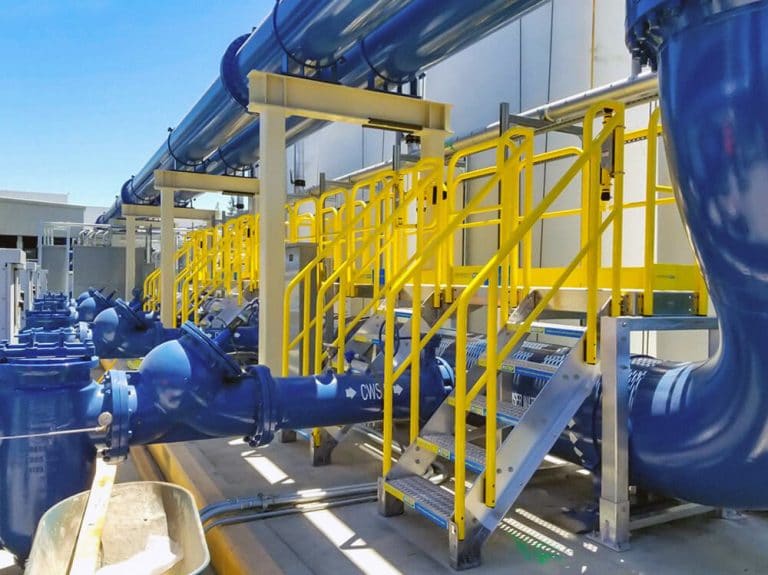
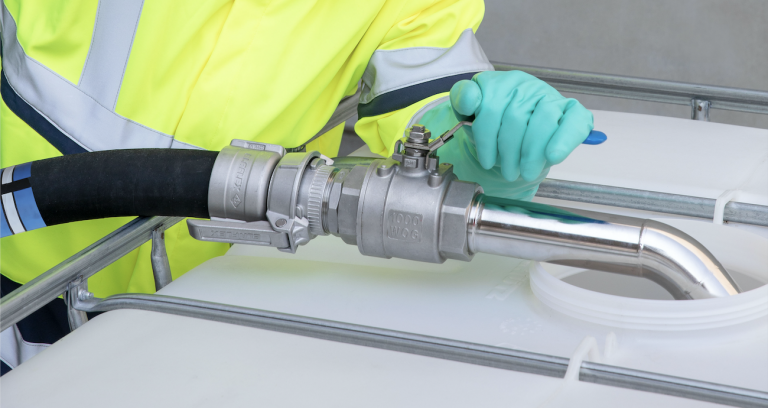
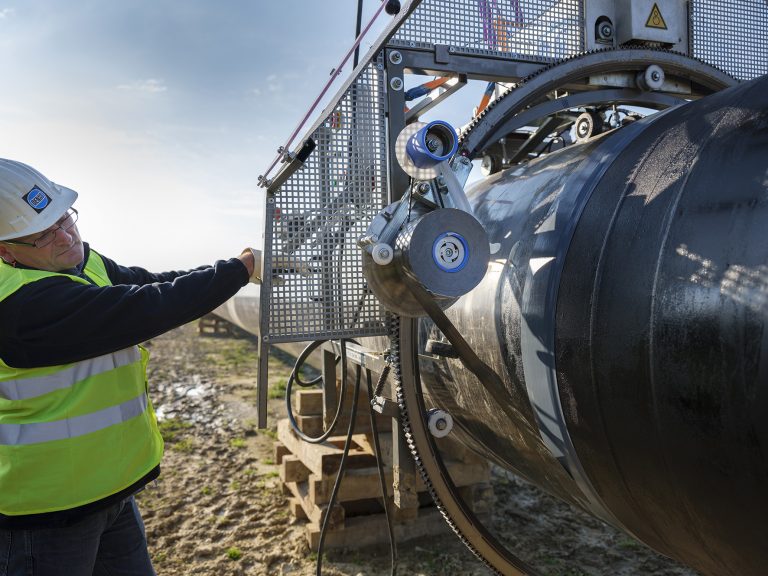
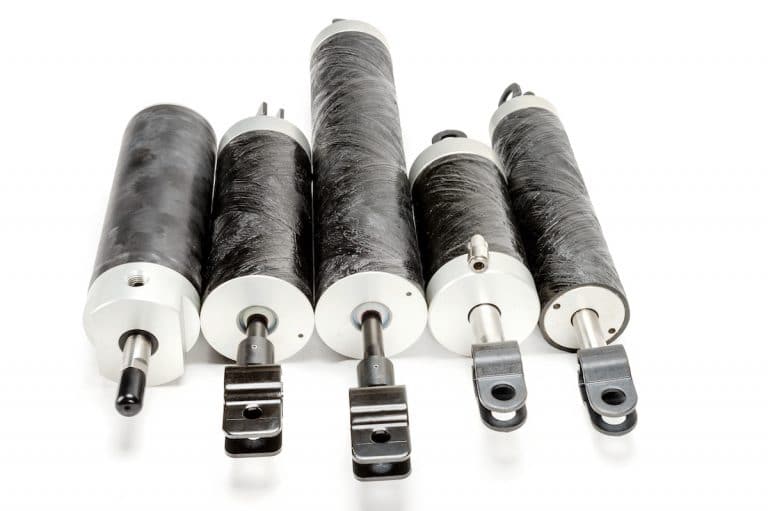
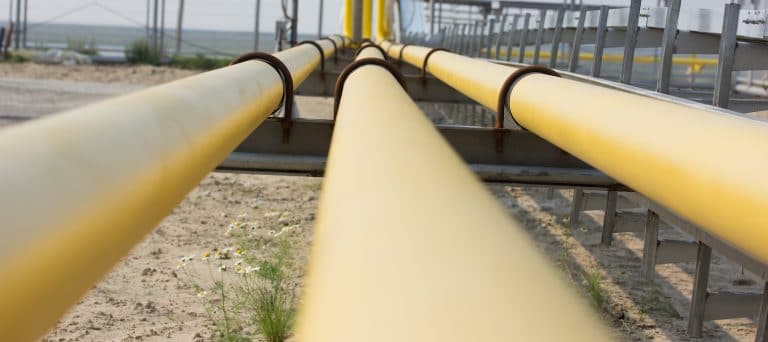
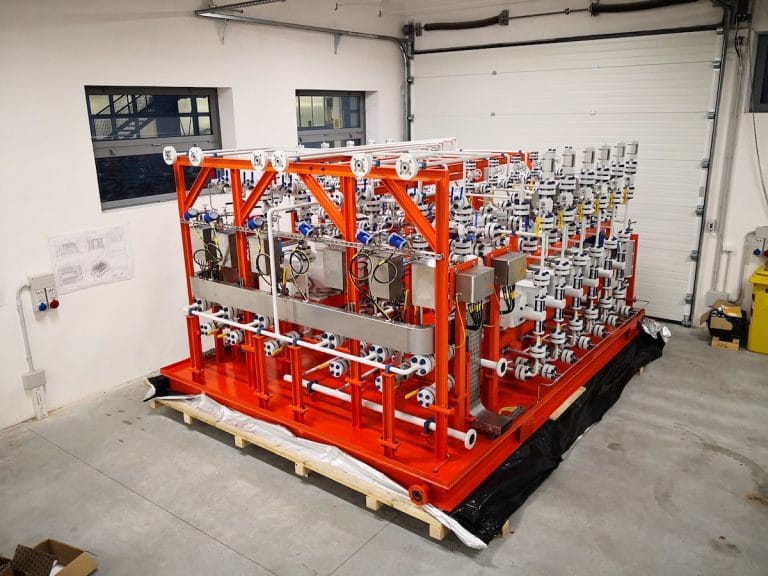
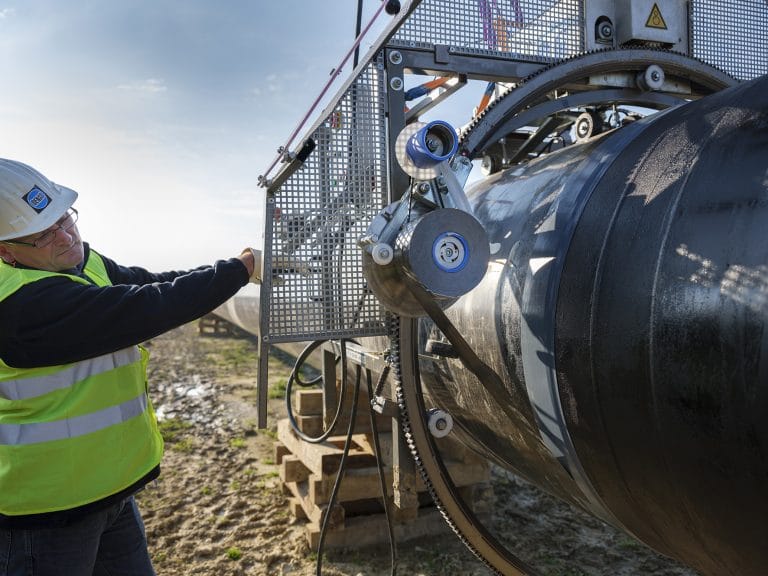
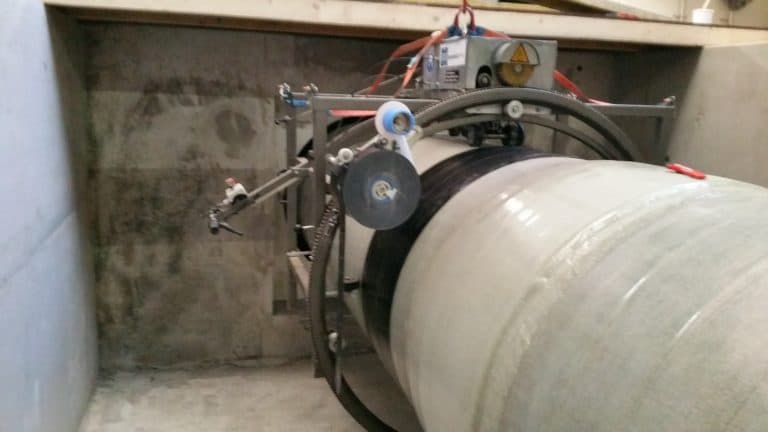
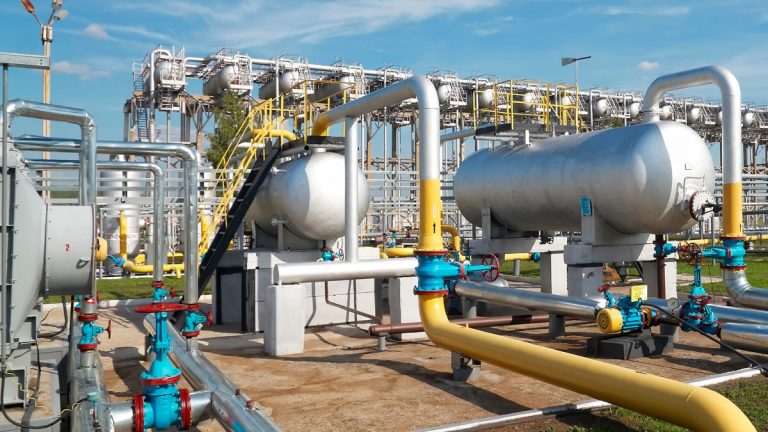
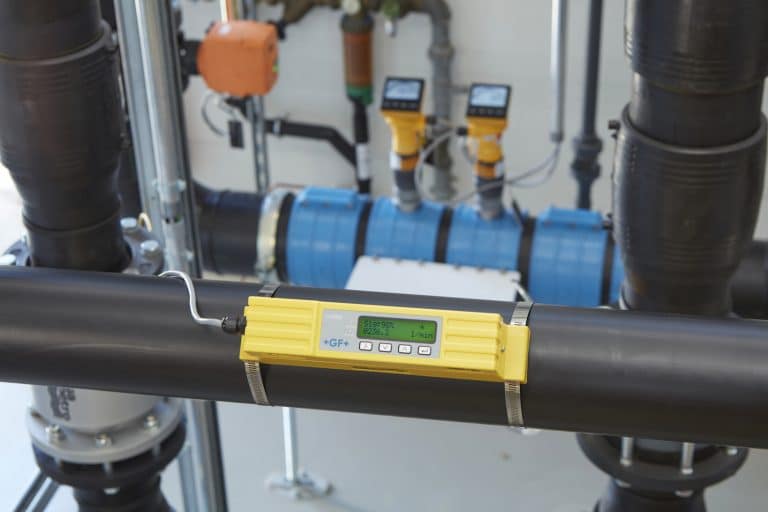


Promoted videos
Piping, Hoses and Couplings in action

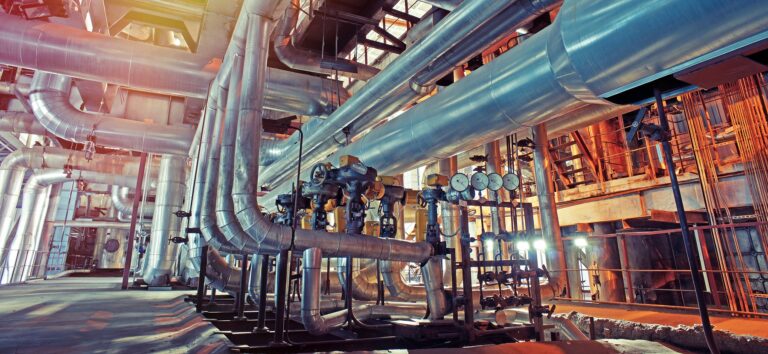
What this zone covers
Piping, Hoses and Couplings: how it works, key numbers and troubleshooting
Fundamentals
Sizing on velocity, not on the pump
Pipe diameter is an economic decision. A narrow line is cheap to buy and expensive to run, because friction rises with roughly the square of velocity and the pump pays for it every hour. The usual working window is 1 to 3 m/s for pumped liquid, lower on the suction side, higher only where the run is short. On gas and steam the limit is usually noise and erosion rather than pressure drop.
Material and joint
Carbon steel, stainless, plastic and lined pipe each fail differently, and the joint is where most failures start. Welding gives the strongest and cleanest result and needs a procedure and a welder to match; flanges are serviceable but add gaskets and bolts to inspect; grooved and clamp couplings are fast and are what hygienic and temporary lines rely on. The choice sets the inspection regime for the next twenty years.
Hoses, couplings and loading systems
Wherever something has to move, flex or disconnect, a hose or a loading arm takes over from fixed pipe. Rubber, PTFE-lined and composite hoses each have their own bend radius, temperature range and chemical list, and each has a service life that is far shorter than the pipe it connects to. Dry-break and cam-lock couplings, swivel joints and loading arms are what make road and rail transfer safe, and they are inspection items, not fittings.
Expansion, support and strain
A steel line grows about a millimetre per metre per hundred degrees, and if it cannot grow it pushes. Expansion loops, bellows and slide supports give it somewhere to go; anchors decide where the force lands. Most pump seal and flange failures blamed on the equipment are actually pipe strain, and the cheapest way to find it is to slacken the flange bolts and watch whether anything moves.
Insulation, tracing and protection
Insulation keeps the heat where it belongs and keeps the operator safe; tracing keeps the line above the point where the product freezes or crystallises. Both fail at the same places, which are the fittings, the valves and the supports, because insulating a straight run is easy and insulating an elbow is not. Corrosion under insulation is the quiet consequence and it is found by inspection, not by instruments.
Key parameters
| Parameter | Typical range | Rule of thumb |
|---|---|---|
| Liquid velocity, discharge | 1 to 3 m/s | Above 3 m/s friction and erosion outrun the saving on pipe diameter |
| Liquid velocity, suction | 0.6 to 1.5 m/s | One diameter larger than the discharge is normal on the suction side |
| Gas velocity | 15 to 30 m/s | Noise, not pressure drop, is usually the first thing to complain |
| Pressure drop budget | 0.2 to 0.5 bar per 100 m of liquid line | Count fittings as equivalent length; elbows and valves dominate short runs |
| Hose bend radius | 6 to 10 times the inside diameter | A hose kinked once has lost its rating even after it looks straight again |
| Hose service life | Pressure test yearly, replace on a set interval | The pipe lasts decades and the hose does not; keep them on separate registers |
| Thermal expansion, steel | About 1 mm per metre per 100 degrees Celsius | Decide where the growth goes before deciding where the anchors go |
| Support spacing | 3 to 4 m for small bore steel, closer for plastic and for lined pipe | Plastic sags with temperature; use the manufacturer table, not the steel one |
Troubleshooting
| Symptom | Likely causes | What to do |
|---|---|---|
| Water hammer on valve closure | Fast closing valve, long straight run, or a pump tripping against a check valve | Slow the closure, fit a surge vessel or an accumulator, and check the check valve is not slamming |
| Repeated flange leaks at one joint | Pipe strain, uneven bolt torque, wrong gasket for the temperature, or a warped flange face | Release the bolts and see whether the pipe moves, re-torque in the correct sequence, and check flatness before blaming the gasket |
| Pump seal and bearing failures on one machine | Pipe strain from a modification, missing support, or thermal growth with nowhere to go | Slacken the suction and discharge flanges cold and measure the movement; fix the support before fitting another seal |
| Hose fails well before its interval | Bend radius too tight, wrong lining for the product, pressure spikes, or dragging over an edge | Check the routing and the radius, verify the chemical compatibility, and fit a spring guard where it rubs |
| Line freezes despite trace heating | Insulation missing at valves and supports, controller sensing the wrong place, or a broken heating circuit | Insulate the fittings properly, put the sensor at the coldest point, and test continuity before the cold season |
| Corrosion found under the insulation | Water ingress at a joint, damaged cladding, or a temperature that cycles through the dew point | Open the suspect areas at supports and low points, repair the vapour barrier, and set an inspection round rather than waiting for a leak |
| Vibration in a line after a change | Pulsation from a positive displacement pump, a natural frequency that shifted, or a support removed during work | Restore the supports, add a pulsation damper at the source, and change the span so the natural frequency moves away from the excitation |
Go deeper: news and case studies · frequently asked questions
Equipment Guide
Piping, Hoses and Couplings in the Equipment Guide
7 equipment types
Recommended manufacturers
 Bronkhorst High-Tech B.V.
Bronkhorst High-Tech offers an extensive product range of thermal, Coriolis and ultrasonic flow meters and controllers. We offer numerous styles of both standard and bespoke instruments for applications in laboratory, machinery and industry and we closely cooperate with OEM’s in the field of customer specific designs for gas, liquid or vapour control.
Bronkhorst High-Tech B.V.
Bronkhorst High-Tech offers an extensive product range of thermal, Coriolis and ultrasonic flow meters and controllers. We offer numerous styles of both standard and bespoke instruments for applications in laboratory, machinery and industry and we closely cooperate with OEM’s in the field of customer specific designs for gas, liquid or vapour control.
 GF
GF is the leading flow solutions provider worldwide, enabling the safe and sustainable transport of fluids. The company specializes in plastic piping systems and system solutions plus services in all project phases.
GF
GF is the leading flow solutions provider worldwide, enabling the safe and sustainable transport of fluids. The company specializes in plastic piping systems and system solutions plus services in all project phases.
 Teledyne Gas & Flame Detection
For companies that demand the most reliable gas and flame detection solutions, Teledyne Gas and Flame Detection offers more than 100 years of proven experience in industries as diverse as oil gas, food beverage, marine and public utilities Always sensing safety, everywhere you look, Teledyne’s global portfolio of products and safety solutions are unquestionably first in class.
Teledyne Gas & Flame Detection
For companies that demand the most reliable gas and flame detection solutions, Teledyne Gas and Flame Detection offers more than 100 years of proven experience in industries as diverse as oil gas, food beverage, marine and public utilities Always sensing safety, everywhere you look, Teledyne’s global portfolio of products and safety solutions are unquestionably first in class.
 McCrometer
Since 1955, McCrometer has been committed to developing innovative, high-quality, precision flow meters for the most demanding liquid, steam, and gas flow measurement for our world-wide customers.
McCrometer
Since 1955, McCrometer has been committed to developing innovative, high-quality, precision flow meters for the most demanding liquid, steam, and gas flow measurement for our world-wide customers.
 Titan Enterprises Ltd
Titan Enterprises design & manufacture high quality, high performance, precision liquid flowmeters. Titan’s ultrasonic, oval gear & turbine flow meters, including NSF-approved devices, meet liquid flow control demands across industry sectors. The parameters & technology of Titan’s flowmeters fulfil application specifications of a broad scope of industrial processes, batching, laboratory & hazardous environments.
Titan Enterprises Ltd
Titan Enterprises design & manufacture high quality, high performance, precision liquid flowmeters. Titan’s ultrasonic, oval gear & turbine flow meters, including NSF-approved devices, meet liquid flow control demands across industry sectors. The parameters & technology of Titan’s flowmeters fulfil application specifications of a broad scope of industrial processes, batching, laboratory & hazardous environments.
Ask the Expert
Ask a piping, hoses and couplings expert — free
Engineers and product specialists who answer technical questions from readers. The answer comes back to you by e-mail; when we publish it, other readers benefit too.
 Casey Williamson
GF
Casey Williamson
GF
Casey Williamson is Head of Business Development Microelectronics Global Industries for Georg Fischer. For the last 25 years, he has provided support…
Ask a questionSubscribe to our E-newsletters
Questions and answers
Frequently asked about piping, hoses and couplings
How do I choose a pipe diameter?
Balance the purchase against the running cost. Friction rises with roughly the square of velocity and the pump pays for it continuously, so a line that is one size too small quietly costs money for its whole life. The usual window is 1 to 3 m/s for pumped liquid, with the suction line a size larger. Where a run is short, favour the smaller pipe; where it is long, favour the larger.
Welded, flanged or coupled?
Weld what will never be opened, flange what has to come apart for maintenance, and use grooved or clamp couplings where speed of assembly or hygiene matters. Every joint is a potential leak and an inspection point, so the fewer of them the better, but a line with no way to open it becomes a cutting job the first time something inside it fails.
How long does an industrial hose last?
Far less than the pipe it connects, and the interval depends on the duty rather than the calendar. Pressure test on a set schedule, inspect the cover, the couplings and the crimp at every use, and replace on interval rather than on failure. A hose that has been kinked, dragged over an edge or run outside its temperature range has lost its rating even if it looks fine.
What causes water hammer and how do I stop it?
A column of liquid brought to a stop has to put its energy somewhere, and it puts it into the pipe. Fast closing valves, long straight runs and pumps tripping against a check valve are the three usual causes. Slowing the valve is the cheapest fix, followed by a surge vessel or accumulator; a slamming check valve often turns out to be the real culprit.
How do I know if pipe strain is damaging my pump?
Slacken the suction and discharge flange bolts with the line cold and watch what moves. Anything more than a fraction of a millimetre is load that the pump casing, bearings and seal are carrying all day. It is the most common hidden cause of repeat seal failures, and it usually appears after a modification that no one thought would matter.
Where does corrosion under insulation start?
At the places that are hardest to insulate: valves, flanges, supports, low points and anywhere the cladding has been opened and put back badly. Water gets in, cannot get out, and the temperature cycles through the range where corrosion is fastest. It is found by opening those places on a routine, not by waiting for a wet patch to appear.
When do I need an expansion loop?
As soon as the growth exceeds what the flexibility of the route can absorb. Steel grows about a millimetre per metre per hundred degrees, so a fifty metre steam line moving from ambient to 150 degrees grows something like 75 mm. Either the route has enough bends to take that, or you add a loop or a bellows and decide deliberately where the anchors put the force.
What is the difference between this Technology Zone and the Equipment Guide?
The zone is the editorial side: news, case studies, videos, newsletter editions and field experts. The Equipment Guide is the directory side: equipment types and the manufacturers that build them. This page links to its Equipment Guide category and back.
How do I find a manufacturer of piping, hoses and couplings equipment?
Open the Equipment Guide category for this zone, pick an equipment type and open a manufacturer profile. Partner profiles carry direct contact details; other listings link to the company website.
Can I ask a technical question before I buy?
Yes. Ask the Expert puts your question to a field expert in this zone. The answer comes back to you by e-mail; when we publish it, other readers benefit too.