
Technology Zone
Process Gas and Liquid Analytical Systems
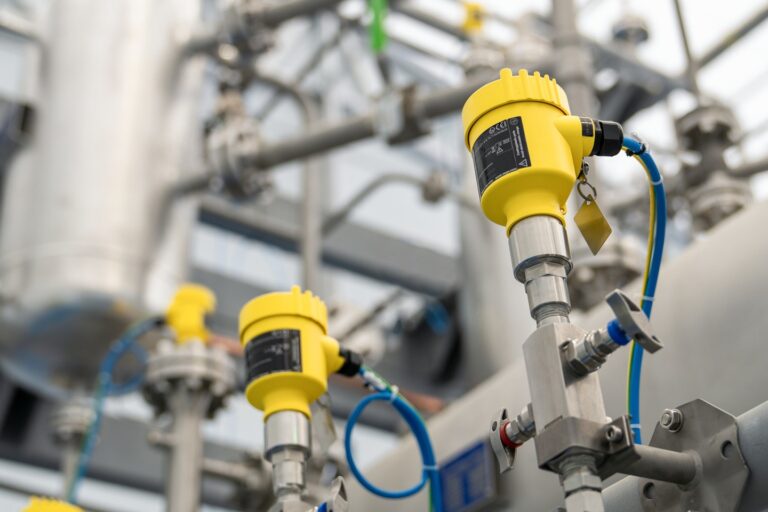
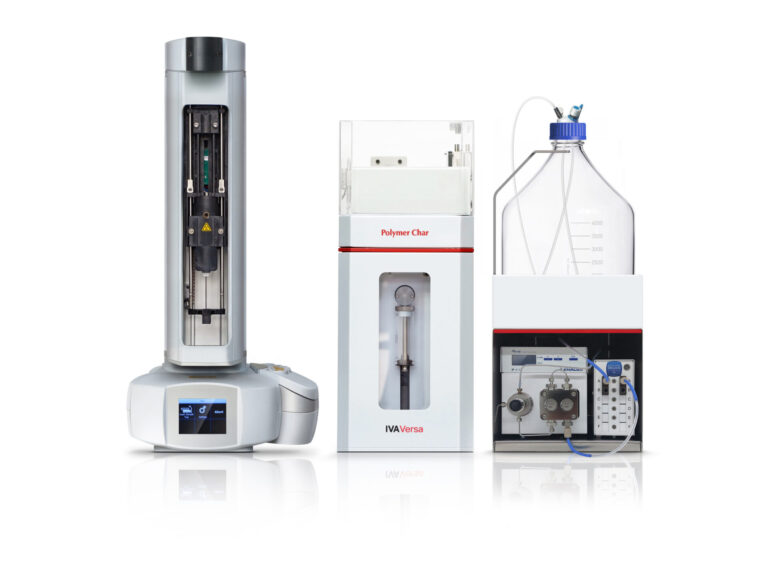
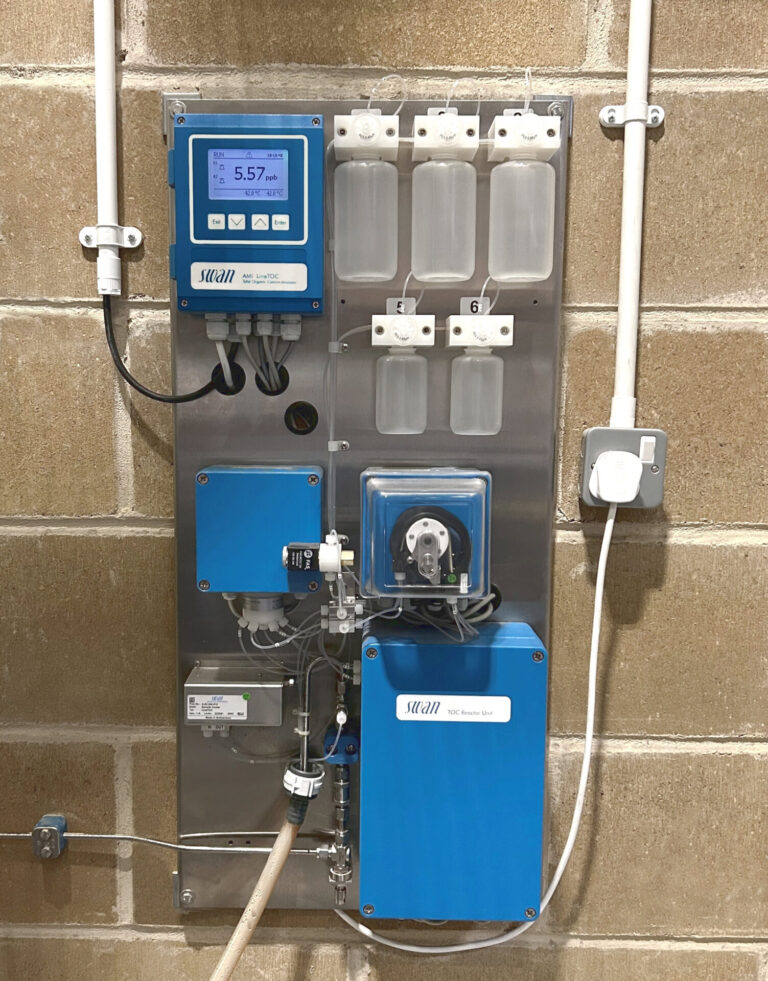
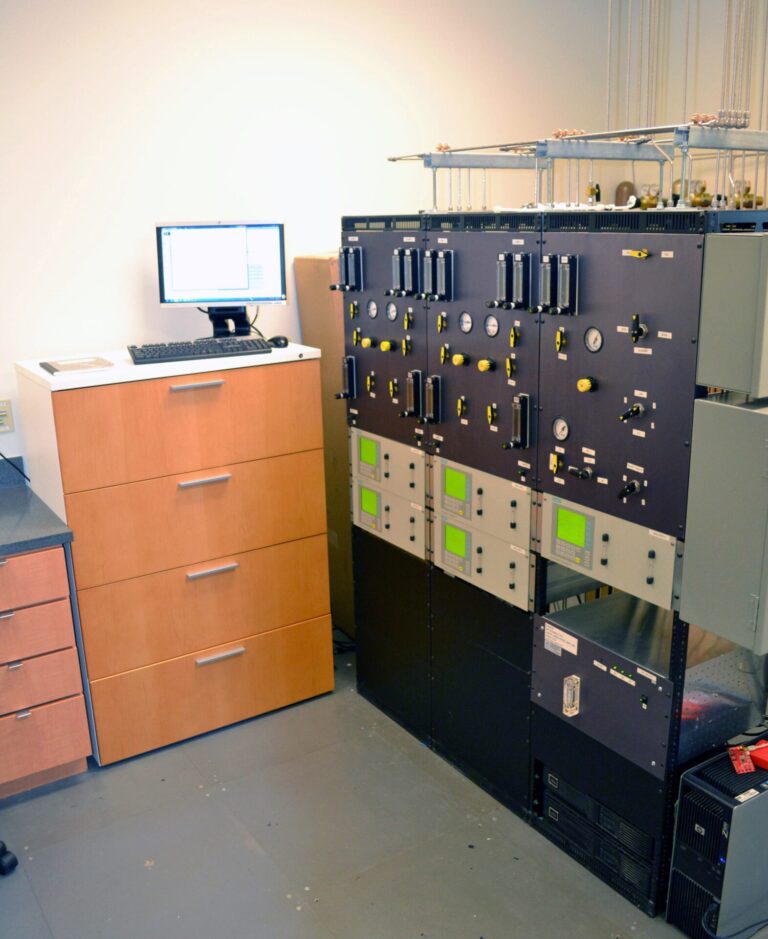
Process gas and liquid analytical systems measure composition, concentration and quality in the line. This zone covers analysers, sampling systems, sensors and the software that turns readings into control.
All articles in this zone
Process Gas and Liquid Analytical Systems — page 3 of 7


Promoted videos
Process Gas and Liquid Analytical Systems in action
What this zone covers
Process Gas and Liquid Analytical Systems: how it works, key numbers and troubleshooting
Fundamentals
In line, at line or in the laboratory
The first decision is where the measurement happens. An in-line analyser sits in the process and gives a continuous reading that a controller can act on. An at-line instrument takes a sample and answers within minutes, close enough to correct a batch. The laboratory gives the reference number hours later. Most plants need all three, and the argument is usually about which measurements have earned the move upstream.
The classic electrochemical measurements
pH, conductivity, dissolved oxygen and ORP carry most of the water, wastewater and fermentation duties. They are cheap, well understood and they all drift, foul and age, which is why they live or die by a calibration routine. A pH electrode is a consumable with a working life measured in months, and treating it as a permanent instrument is the single most common mistake in this zone.
Optical and spectroscopic analysers
Near infrared, ultraviolet, Raman and photometric analysers read composition without touching the sample chemically. They measure many components at once, they respond in seconds, and they need a chemometric model that has to be built and maintained with reference data. The instrument rarely fails; the model quietly stops matching the product, which is why model maintenance belongs in the maintenance plan.
Gas analysis and chromatography
Oxygen, moisture, hydrocarbons and trace impurities are measured with paramagnetic, zirconia, tunable diode laser and chromatographic instruments. A process gas chromatograph gives a full composition every few minutes and is the reference for custody and for blending, at the price of carrier gas, columns and a specialist to keep it honest. Laser analysers measure across the duct without a sample line at all.
The sample system is the analyser
Most analyser problems live in the sample handling, not in the instrument. The line has to deliver a sample that is representative, fast enough to be useful, at the right pressure and temperature, and free of the phase changes that a pressure drop can cause. Lag time from tap to detector should be counted in seconds; where it runs to minutes, the control loop is measuring history.
Key parameters
| Parameter | Typical range | Rule of thumb |
|---|---|---|
| pH electrode life | 6 to 18 months in process duty | Treat it as a consumable and trend the slope and the offset at every calibration |
| pH calibration | Two point, slope 95 to 105 %, offset within 30 mV | A slope below 90 % means replacement, not another calibration |
| Conductivity cell constant | 0.1 for pure water, 1.0 general, 10 for concentrated | Pick the cell for the range; one cell will not cover pure water and brine |
| Dissolved oxygen response | Optical 30 to 60 s, amperometric 60 to 180 s | Optical sensors need no electrolyte and no membrane changes |
| Sample lag time | Under 60 s from tap to detector, under 10 s for control | Measure it with a step change; do not calculate it from the pipe volume |
| Sample flow | Fast loop 1 to 5 l/min with a slip stream to the analyser | A fast loop keeps the sample fresh without flooding the instrument |
| Gas chromatograph cycle | 2 to 10 minutes per analysis | The cycle time is the dead time of any loop that uses the result |
| NIR model maintenance | Validation samples every few months | Drift in the model looks exactly like drift in the process; only reference samples separate them |
Troubleshooting
| Symptom | Likely causes | What to do |
|---|---|---|
| pH reading drifts and responds slowly | Coated or dried out electrode, depleted reference, or a blocked junction | Clean by the product type, check the slope and offset against buffers, and replace if the slope has fallen below 90 % |
| Conductivity reads low on clean water | Wrong cell constant, air bubble on the electrode, or temperature compensation set for the wrong solution | Match the cell to the range, mount so bubbles cannot lodge, and select the right compensation curve |
| Analyser and laboratory disagree | Unrepresentative sample point, lag time, or a difference in temperature and pressure at the two measurements | Take the grab sample at the analyser tap at the same moment, and compare like for like before adjusting anything |
| Dissolved oxygen reads high after cleaning | Air trapped at the sensor face or a membrane not yet settled | Purge the fitting, allow the polarisation or settling time in the manual, then verify in air and in a zero solution |
| Optical analyser output drifts over months | Window fouling, lamp ageing, or a chemometric model that no longer matches the feedstock | Clean and check the window, run the internal reference, then test against fresh laboratory samples before touching the model |
| Chromatograph peaks shift or tail | Carrier gas pressure change, a leaking septum, or a column reaching the end of its life | Leak-test the sample and carrier path, check the carrier pressure and flow, and bake or replace the column |
| Sample line blocks repeatedly | Condensation, crystallisation from a pressure drop, or particulate that the filter should have caught | Trace and insulate the line, move the pressure reduction as close to the tap as possible, and fit the right filtration for the duty |
Go deeper: news and case studies · frequently asked questions
Equipment Guide
Process Gas and Liquid Analytical Systems in the Equipment Guide
14 equipment types
Recommended manufacturers
 Teledyne Gas & Flame Detection
For companies that demand the most reliable gas and flame detection solutions, Teledyne Gas and Flame Detection offers more than 100 years of proven experience in industries as diverse as oil gas, food beverage, marine and public utilities Always sensing safety, everywhere you look, Teledyne’s global portfolio of products and safety solutions are unquestionably first in class.
Teledyne Gas & Flame Detection
For companies that demand the most reliable gas and flame detection solutions, Teledyne Gas and Flame Detection offers more than 100 years of proven experience in industries as diverse as oil gas, food beverage, marine and public utilities Always sensing safety, everywhere you look, Teledyne’s global portfolio of products and safety solutions are unquestionably first in class.
 Panametrics
 offers solutions for measuring and analyzing moisture, oxygen, liquid, steam, and gas flow with proven technologies that are well-known and widely deployed across many industries, including oil and gas.
Panametrics
Panametrics offers solutions for measuring and analyzing moisture, oxygen, liquid, steam, and gas flow with proven technologies that are well-known and widely deployed across many industries, including oil and gas.
 Cole-Parmer
, an Antylia Scientific company is a global manufacturer of lab equipment and supplies for research and process.
Cole-Parmer
Cole-Parmer, an Antylia Scientific company is a global manufacturer of lab equipment and supplies for research and process.
 Endress+Hauser AG
Endress+Hauser is a global leader in measurement instrumentation, services and solutions for industrial process engineering. We provide process solutions for flow, level, pressure, analytics, temperature, recording and digital communications, optimizing processes in terms of economic efficiency, safety & environmental impact.
Endress+Hauser AG
Endress+Hauser is a global leader in measurement instrumentation, services and solutions for industrial process engineering. We provide process solutions for flow, level, pressure, analytics, temperature, recording and digital communications, optimizing processes in terms of economic efficiency, safety & environmental impact.
 NETZSCH Pumpen & Systeme GmbH
For more than 60 years, NETZSCH Pumps & Systems has served markets worldwide with Pumps & Pumping systems and accessories, providing customized, sophisticated solutions for applications in every type of industry.
NETZSCH Pumpen & Systeme GmbH
For more than 60 years, NETZSCH Pumps & Systems has served markets worldwide with Pumps & Pumping systems and accessories, providing customized, sophisticated solutions for applications in every type of industry.
 Industrial Tomography Systems (ITS/ITOMS)
Providing comprehensive process data and visualisations in real-time, electrical tomography is able to monitor virtually any academic research or industrial application involving mixing, separation, level detection, or flow rate; to facilitate greater process efficiencies and lower production costs.
Industrial Tomography Systems (ITS/ITOMS)
Providing comprehensive process data and visualisations in real-time, electrical tomography is able to monitor virtually any academic research or industrial application involving mixing, separation, level detection, or flow rate; to facilitate greater process efficiencies and lower production costs.
 Siemens Industry, Inc.
Siemens Process Instrumentation offers innovative measurement solutions to increase plant efficiency and enhance product quality. Siemens extensive portfolio of process instruments for flow, level, pressure and temperature measurement, provides critical data that enables you to optimize your process, reduce energy consumption and ensure safety.
Siemens Industry, Inc.
Siemens Process Instrumentation offers innovative measurement solutions to increase plant efficiency and enhance product quality. Siemens extensive portfolio of process instruments for flow, level, pressure and temperature measurement, provides critical data that enables you to optimize your process, reduce energy consumption and ensure safety.
 Sage Metering
 is a manufacturer of high-performance thermal gas flow meters for gas flow measurement. Our NIST-traceable mass flow meters increase productivity, reduce energy costs, maximize product yields, and tackle ecological applications.
Sage Metering
Sage Metering is a manufacturer of high-performance thermal gas flow meters for gas flow measurement. Our NIST-traceable mass flow meters increase productivity, reduce energy costs, maximize product yields, and tackle ecological applications.
Ask the Expert
Ask a process gas and liquid analytical systems expert — free
Engineers and product specialists who answer technical questions from readers. The answer comes back to you by e-mail; when we publish it, other readers benefit too.
 Joshua Brown
Industrial Tomography Systems (ITS/ITOMS)
Joshua Brown
Industrial Tomography Systems (ITS/ITOMS)
Josh is a Technical Engineer and is an integral member of Industrial Tomography Systems’ talented engineering team. Josh is responsible for creating…
Ask a question Erik van den Bosch
Teledyne Gas & Flame Detection
Erik van den Bosch
Teledyne Gas & Flame Detection
A question on your Gas & Flame Detection needs ? Erik will guide you through the different solutions to protect your personnel…
Ask a question Dietmar Saecker
Endress+Hauser AG
Dietmar Saecker
Endress+Hauser AG
Dietmar Saecker is temperature measurement expert at Endress+Hauser in Nesselwang, Germany. His experience covers technical sales support, consulting for difficult temperature measurement…
Ask a question Bob Steinberg
Sage Metering
Bob Steinberg
Sage Metering
Bob Steinberg is the founder, president, and CEO of Sage Metering. He has over 40 years of instrumentation experience. Before forming Sage…
Ask a questionSubscribe to our E-newsletters
Join 36,000+ engineers, plant managers and technical buyers who follow powder and bulk solids technology with us. Free, twice a week.
Questions and answers
Frequently asked about process gas and liquid analytical systems
When is an in-line analyser worth the money?
When the result changes a decision within the time the process can still be corrected. If the laboratory answer arrives after the batch has moved on, the measurement is a record rather than a control. In-line pays for itself where it removes rework, tightens a giveaway margin, or replaces an operator taking hourly samples of something that moves in minutes.
Why does my pH electrode last only a few months?
Because it is a consumable. The glass membrane ages, the reference junction fouls and the electrolyte depletes, and none of that stops at a convenient moment. Trend the slope and the offset at each calibration and the end of life becomes predictable rather than a surprise. In hot, high pH or protein-rich duties, six months is normal.
How representative is my sample?
That question is answered at the tap, not in the analyser. Take from a well-mixed section of pipe, not from a dead leg or from the top of a horizontal line, and keep the sample at process conditions until the last possible moment. A pressure reduction can drop a component out of solution, and then the instrument is measuring something that no longer resembles the process.
How fast does the sample have to reach the analyser?
Under a minute for monitoring and under ten seconds if a controller is going to act on the number, because sample lag is dead time in the loop. A fast loop that runs a litre or more per minute past the analyser tap, with a small slip stream into the instrument, is the standard way to get both a fresh sample and a gentle one.
What does maintaining a chemometric model involve?
Collecting reference samples on a schedule, comparing them against the analyser and re-fitting when the residuals start to trend. A model built on last year's feedstock will slowly disagree with this year's, and the failure looks exactly like instrument drift. Budgeting for model maintenance is the difference between an optical analyser that stays trusted and one that gets bypassed.
Optical or amperometric dissolved oxygen?
Optical, for most process duties. There is no membrane to change and no electrolyte to refill, the sensor does not consume oxygen so it tolerates low flow, and the drift is slower. Amperometric sensors are cheaper and still make sense where the caps would be exposed to solvents or to very high temperatures that the optical coating dislikes.
Can one analyser cover several streams?
Yes, with a stream switching system, and it is often the only affordable way to cover a plant. The cost is time: each stream needs a purge before the reading is valid, so a four stream system with a two minute chromatograph cycle updates each stream every ten minutes or more. That is fine for monitoring and rarely fast enough for control.
What is the difference between this Technology Zone and the Equipment Guide?
The zone is the editorial side: news, case studies, videos, newsletter editions and field experts. The Equipment Guide is the directory side: equipment types and the manufacturers that build them. This page links to its Equipment Guide category and back.
How do I find a manufacturer of process gas and liquid analytical systems equipment?
Open the Equipment Guide category for this zone, pick an equipment type and open a manufacturer profile. Partner profiles carry direct contact details; other listings link to the company website.
Can I ask a technical question before I buy?
Yes. Ask the Expert puts your question to a field expert in this zone. The answer comes back to you by e-mail; when we publish it, other readers benefit too.